Heat Pump Alabama

Why your heat pump has ice on it in an Alabama winter

Step 1 of 3: Equipment

Why does my heat pump have ice on it in winter?

A little frost on the outdoor unit during a cold snap is normal, but a heavy coat of ice that doesn't go away is a different matter. You've probably noticed it after a stretch of cold, damp nights, and now the system seems to be struggling to keep the house warm. In Alabama, where most homes lean on a heat pump for heat all winter, that ice means the unit is working harder than it should.

The heat pump should defrost itself. If the ice stays, something is stopping it from doing that.

A heat pump pulls heat from the outside air, so some frost on the outdoor coil on a cold morning is normal. It runs a defrost cycle every so often, switching briefly into cooling mode to melt that frost off, then switches back. When ice builds up and stays, the defrost cycle isn't running right or isn't clearing the coil before the system switches back to heating. That can come from a failing defrost control board, a bad sensor, a stuck reversing valve, or a fan that isn't moving enough air across the coil. A coil that stays iced over can't pull heat from the air, so the heat pump runs longer and leans more on backup electric heat to keep the house warm, which costs more with Alabama's electric rates.

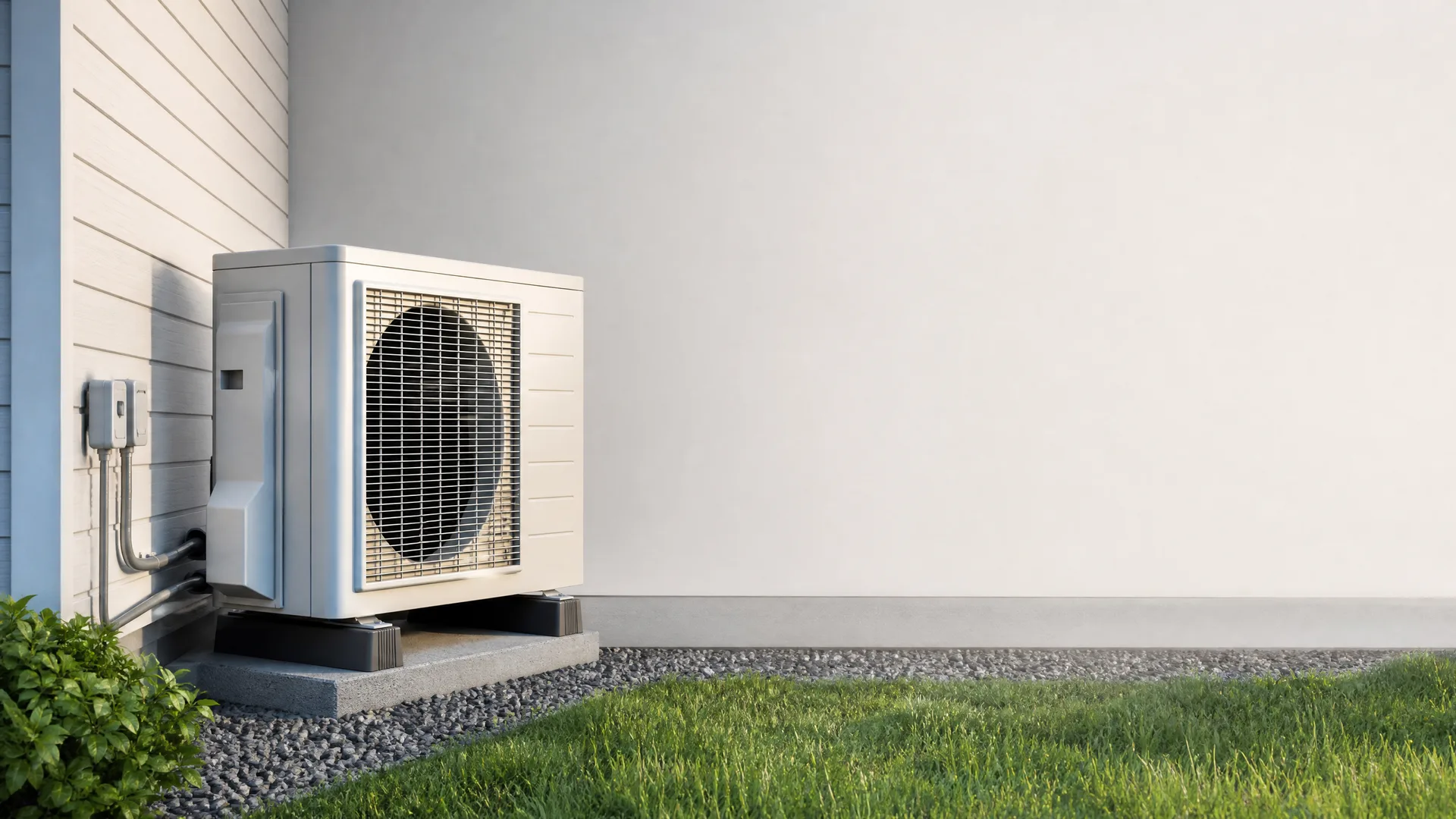
An outdoor heat pump unit on a concrete pad beside a house corner, with a small electrical box and conduit on the wall, gravel border, grass, and a plain light-colored wall filling the right side.

How the defrost cycle works

Your heat pump checks the outdoor coil on a timer and with a temperature sensor. When it senses enough frost, it reverses itself for a few minutes, sends hot refrigerant outside to melt the ice, and the outdoor fan stops while this happens. You might see steam coming off the unit during this part. If that cycle isn't kicking in on schedule, or isn't clearing the coil fully, ice builds faster than the system can remove it.

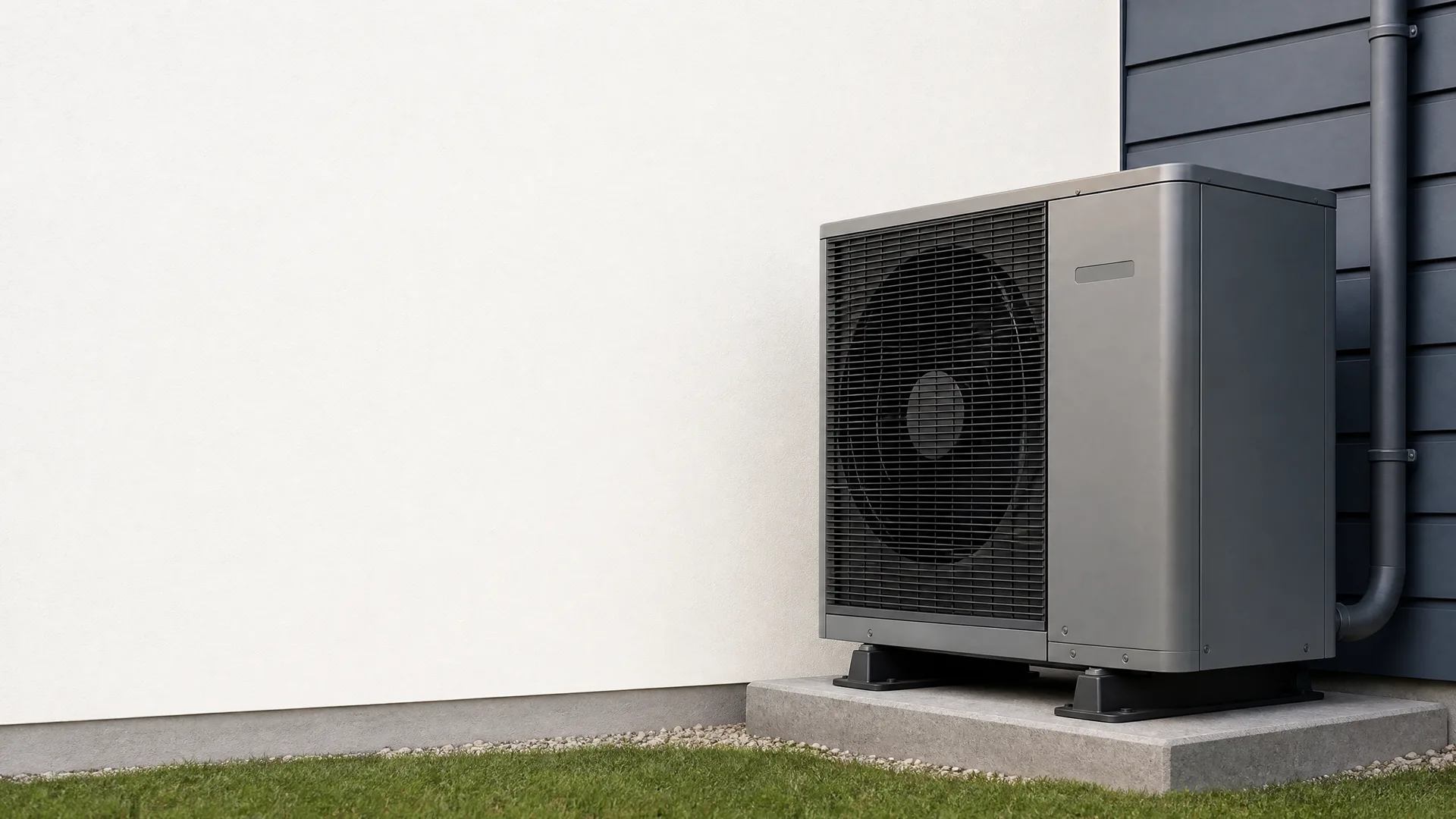
A grey outdoor heat pump unit on a concrete pad beside a white stucco wall and dark siding with a downpipe, with gravel and grass in the foreground.

What a frozen coil does to the bill

Ice on the coil blocks the airflow the system needs to pull heat from outside, so it runs longer to deliver the same warmth to your house. Alabama winters aren't long, but power here already costs more than most places, and a heat pump fighting ice all night adds hours of runtime you wouldn't otherwise pay for. Left alone, the ice also forces the system to lean harder on backup electric heat strips, which cost more to run than the heat pump itself.

Is this normal frost or a problem building up?

Look at the outdoor unit. Thin, patchy frost that clears off within an hour or two of sun or a warmer afternoon is nothing to worry about. What you're dealing with is different if the coil is coated solid, if ice has built up on the lines or the base of the unit, or if it's still there a day later. You might also notice the system blowing air that feels cooler than usual, or running longer than it used to without the house warming up. Left alone, that ice blocks airflow across the coil and the system has to work harder to do the same job, which shows up on your power bill before long. It can also damage the compressor, the most expensive part to replace.

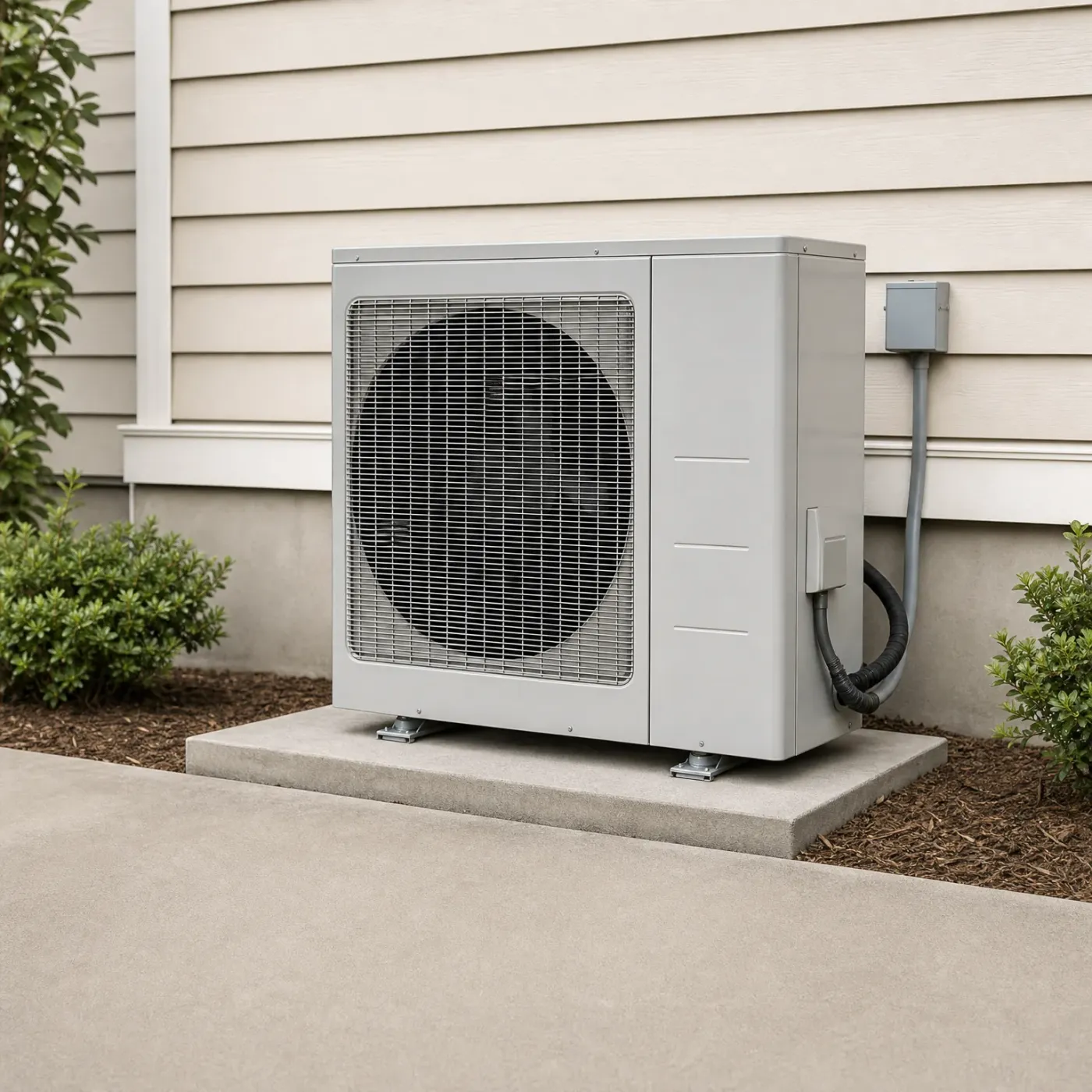
A gray outdoor heat pump unit on a concrete pad beside a house with horizontal lap siding, connected by conduit and a flexible line to a wall-mounted disconnect box, with low shrubs and mulch nearby.

Normal defrost cycle

This is what a heat pump should look like most mornings. Thin frost on the coil, the fan running, the unit cycling in and out of defrost on its own. It clears up by itself within a couple hours and the house stays warm the whole time.
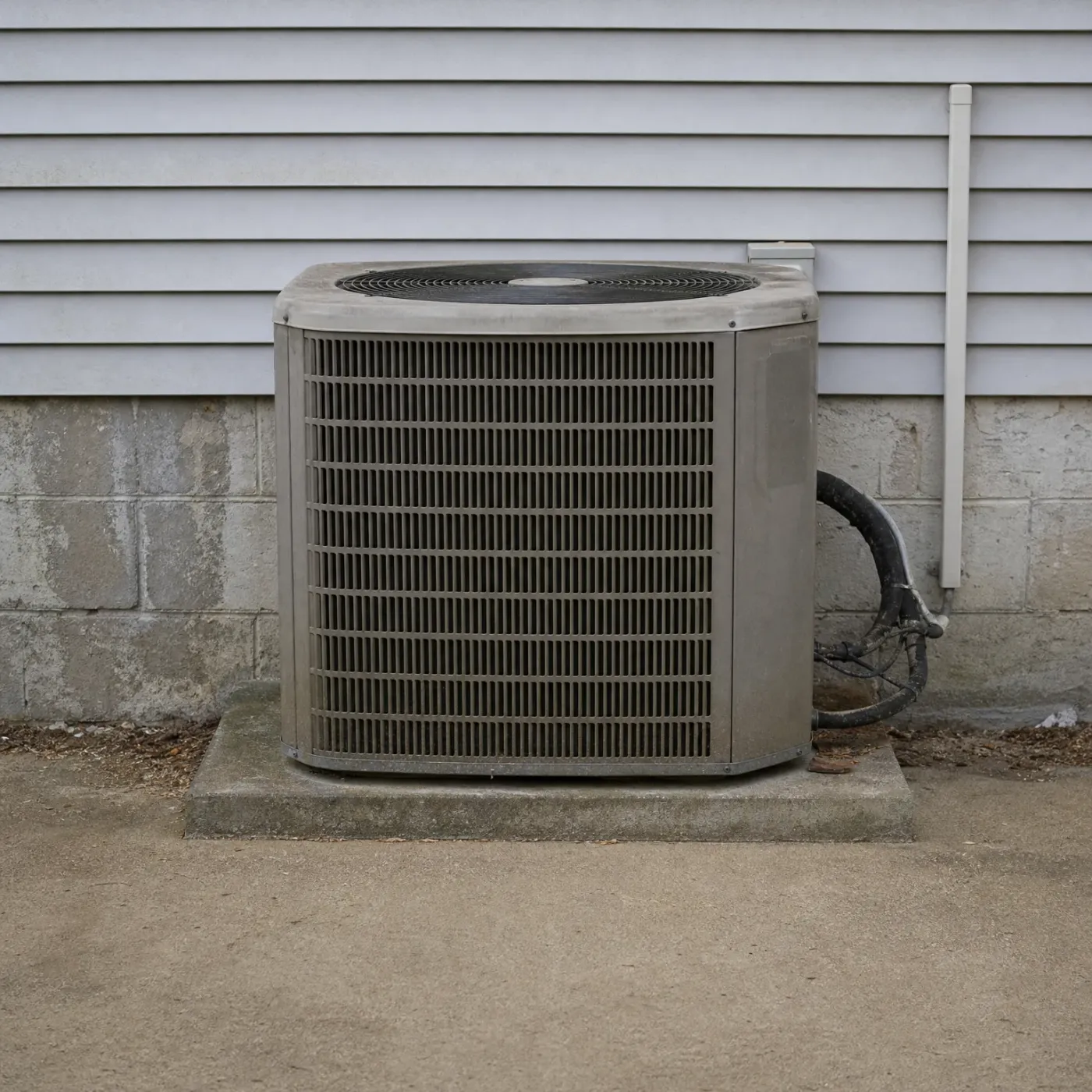

An outdoor air conditioner condenser unit on a concrete pad beside a house with horizontal siding above a concrete block foundation, with insulated refrigerant lines and a vertical white pipe on the wall.

Ice that won't quit

A thick shell of ice across the coil, down the lines, even onto the pad underneath, means the defrost cycle isn't keeping up or isn't kicking on at all. Left alone through more cold nights, it can block airflow entirely and force the system into straight electric heat, which costs more on a Georgia Power or Alabama Power bill.

A man with grey hair and stubble in a dark sweater sits on a grey sofa indoors, looking off to the side, with a potted plant and a sunlit window behind him.
A man with gray hair, a beard and glasses, wearing a dark green sweater, sits on a gray sofa in a sunlit living room with a potted plant, table lamp and wooden sideboard behind him.
A middle-aged man with graying hair and a short beard sits on a blue sofa in a living room, looking toward a window, with a bookshelf, lamp and framed picture in the background.
A man with graying curly hair and a dark green sweater sits on a gray sofa in a sunlit living room, looking off to the side, with a framed picture, shelving, an armchair and a window with sheer curtains behind him.

Skip calling around

Only one pro gets your request, so you hear from one company.

Sending the form costs nothing.

Ice that melts off on its own

A thin layer of frost that disappears within an hour or two, on its own, with no help from you, is the defrost cycle working the way it's supposed to. The outdoor fan may stop for a few minutes while this happens, and you might hear a whooshing sound or notice steam coming off the unit. That's the hot refrigerant doing its job. The house keeps heating through this, maybe with a short pause you'd barely notice. If this is what you're seeing after a cold night, the system is managing itself fine and there's nothing to fix.

Ice that keeps building back

If the ice comes back thicker every few hours, or it's still there by mid-afternoon on a sunny day, the defrost cycle isn't keeping up or isn't running at all. This usually points to a stuck reversing valve, a failed defrost sensor or thermostat, low refrigerant, or a fan motor that's not moving air across the coil the way it should. None of these clear up with time. A unit running like this is losing heat capacity while it burns power trying to catch up, which matters given what electricity costs here. A licensed technician who works on heat pumps through the winter can trace which of these it is and fix the one that's failing.

A woman with shoulder-length brown hair wearing a beige knit cardigan sits in a gray upholstered armchair near a window, looking off to the side with a slight smile, with bookshelves blurred in the background.
A woman and a sleeping child wrapped together in a cream knitted blanket on a couch, with a potted plant, framed photo and lit lamp in the background.

Call once the ice is gone

If the coil clears on its own within a couple hours, the system is defrosting the way it should. Keep an eye on it through the next cold stretch before you worry.

Find a local pro

Call now if it's still there

A solid coat of ice that hangn't moved in half a day means the defrost cycle isn't doing its job. A local contractor who services heat pumps all winter can tell you what's failing.

Find a local pro

Ride It Out or Get It Fixed

Waiting it out

  • Ice left on the coil blocks airflow, so the heat pump pulls harder and your electric bill climbs during the exact stretch of cold nights you're trying to heat through.
  • A frozen coil can't absorb heat from outside air, so the unit may keep running without actually warming your house.
  • Ice around the fan blades or refrigerant lines can bend or crack them, turning a defrost problem into a compressor or fan motor repair.
  • Alabama cold snaps don't last, but a system stuck in a bad defrost cycle can stay iced over the whole time, leaving you without reliable heat when you need it most.
  • The longer a frozen unit runs, the more it strains, and a strained compressor is one of the more expensive parts to replace.

Getting it looked at

  • A local contractor who services heat pumps through Alabama winters knows which part tends to fail first, whether it's the defrost sensor, the control board, or a low refrigerant charge.
  • One visit gets you a straight answer on what's actually wrong, instead of guessing while the ice keeps building.
  • You deal with one licensed technician, not a string of calls to different companies trying to find someone who knows heat pumps specifically.
  • Catching a stuck defrost cycle early can mean a sensor or board swap instead of a compressor replacement later.
  • You skip the work of calling around, re-explaining what the ice looks like to every new voice, and sorting through quotes that may not even cover the same repair.
  1. A sensor and timer tell the system frost has built up on the coil.

  2. The reversing valve switches the system into cooling mode briefly.

  3. Hot refrigerant routes outside and melts the ice off the coil.

  4. The outdoor fan shuts off so it doesn't blow away the heat.

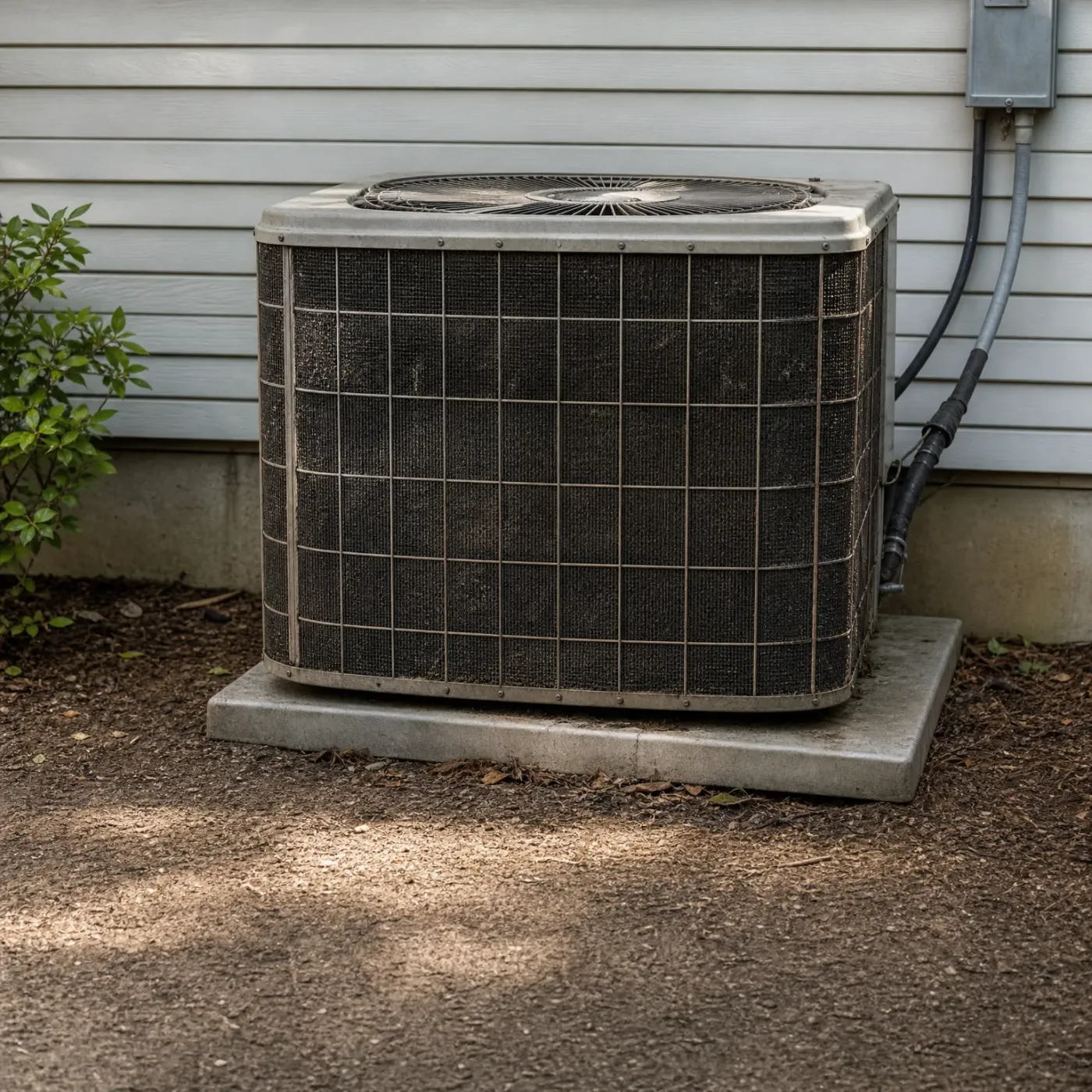
An outdoor air conditioning condenser unit with dusty coils sits on a concrete pad against light horizontal siding, with an electrical disconnect box and refrigerant lines on the wall and a shrub and mulch at left.
Before you get your heat pump repair
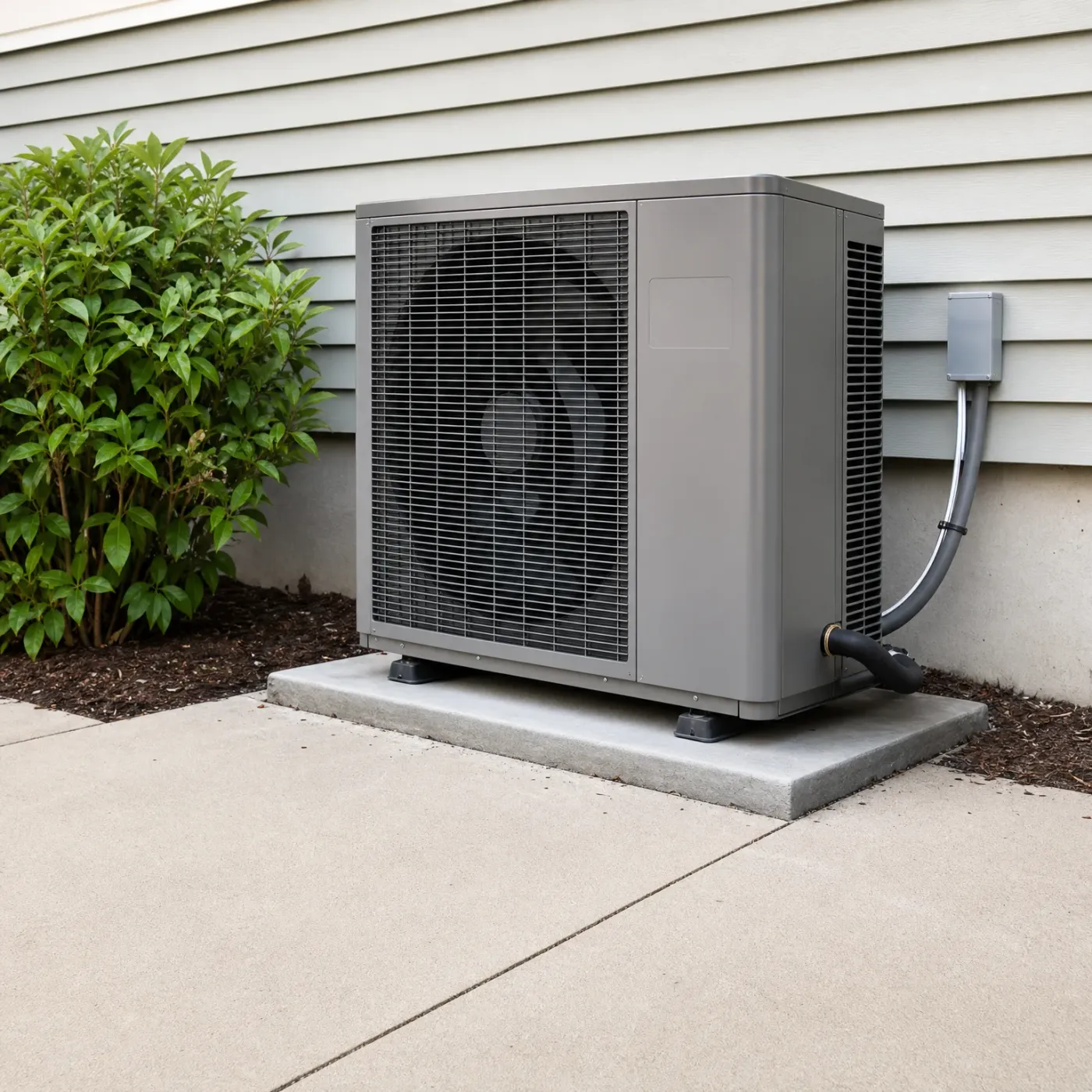
A gray outdoor heat pump unit on a concrete pad beside a house with horizontal lap siding, with a conduit running to a wall-mounted disconnect box and a green shrub to the left.
After you get your heat pump repair

Power costs 16.09 cents per kilowatt-hour statewide

A heat pump that's icing over and fighting to defrost runs longer to keep up, and at 16.09 cents per kilowatt-hour, those extra hours show up fast on your bill. A coil that won't clear on its own is costing you more every night it sits like that.

EIA-861 2025 statewide residential average

A heat pump with a heavy, standing coat of ice is not working through a normal defrost cycle, and it needs a licensed technician to look at it rather than another night of waiting. The contractor who takes this call works on heat pumps all winter in Alabama and has seen what a reversing valve, a stuck sensor, or a low refrigerant charge does to a coil in weather like this, so the visit is a diagnosis, not a guess. You'll be working with one contractor, not fielding calls from several companies trying to win the job. That coil isn't going to clear itself, and every night it sits frozen, the system is working harder and your power bill is climbing for heat you may not even be getting inside the house. Once it's fixed, your mornings go back to what they should look like: thin frost at most, gone by midday, the house holding its temperature the whole time. That's the standard to hold the repair to once someone's been out to look at it.

Kitchen corner with cream upper cabinets, oak lower cabinets, white marble-look countertop, beige tile backsplash, a ceramic vase of greenery, a wooden cutting board and bowl, and a black-framed window at right.
Interior corner of a room with a white-framed window and wide sill, beige walls with panel molding, a wooden cabinet holding a ceramic vase with a green leafy plant, and blurred shrubs and trees outside.
A wood-framed armchair with beige cushions and a woven lumbar pillow sits in a corner beside a large window overlooking green trees, with a tall ceramic vase holding leafy branches on the left and plaster walls and wood flooring.
Interior corner with a white-framed window above a sill, beige walls with baseboard molding, a greige shaker-style cabinet with brass knobs and a potted plant on top, light wood flooring and a woven jute rug.
A dark-framed six-pane window with white trim and sill set in gray horizontal lap siding, with hydrangea shrubs below and a white column and shingled roof section at left.

No phone calls to make

Your request goes to one pro, not a list of companies.

Get a licensed local pro

It costs nothing to send, and you don't have to hire anyone.