You want a number. A 2 ton heat pump for a 1,200 square foot house, a 3 ton for something closer to 2,000. That is the right instinct, but a heat pump sized off square footage alone can leave you cold in January or running nonstop in July. Alabama summers are muggy, and a unit that is too big cools the air fast but never runs long enough to pull the moisture out of it. Too small, and it cannot keep up when the heat sits on the state for weeks at a time.
The other half of the problem is winter. Most homes in Alabama heat with electricity, and a heat pump that is undersized for the cold snaps leans hard on backup heat strips to make up the difference. Those strips are expensive to run, and with power costs what they are here, a sizing mistake shows up on the bill every month, not just once.
Getting the size right means someone looking at your house, not just the square footage on the listing. The insulation, the duct layout, the windows, how much shade the roof gets in the afternoon. That is a load calculation, and it is the only way to know if 2 tons or 3 tons or something in between is the right call for your home specifically.
This page connects you with a licensed contractor local to your part of Alabama, someone who installs and services heat pumps in this climate as routine work, not a specialty. Send the form and the search for the right installer stops being something you have to manage. One contractor gets your request, not five, so your phone does not turn into a problem of its own. From there, the sizing, the quote, and the install are theirs to handle.
How do I know what size heat pump my Alabama house needs?
You want a straight answer, not a chart you have to decode yourself. Square footage gets you in the neighborhood, but it's not the whole story, and you've probably heard that from someone already or you wouldn't still be asking. What you actually need is a way to know the number someone gives you is the right one for your house, not just a guess that happens to sound official.
A load calculation, not a square footage chart, tells you the right size
The only reliable way to size a heat pump is a Manual J load calculation. It accounts for your insulation, your windows, how much shade your house gets, and how many people live there, along with square footage. Two houses the same size in the same Alabama town can need different tonnage if one has old single-pane windows and the other doesn't. A unit sized too big cools the air fast but shuts off before it pulls the humidity out, so the house feels clammy even at the right temperature. One sized too small runs constantly through July and August and still struggles to keep up when the heat sits in the 90s. Getting the number right matters more here than in a drier climate, because the humidity is what makes undersizing or oversizing noticeable fast.
1
A contractor measures every room, window and wall for heat gain.
2
That load calculation sets the exact tonnage your house needs.
3
Ductwork gets checked, since undersized ducts choke even the right-sized unit.
4
The outdoor unit and air handler get matched to that load.
Does your heat pump run all day and still not keep up
An undersized heat pump never really stops. It runs through the afternoon in July and the house still sits a few degrees warmer than the thermostat says it should. In January it struggles to get past 65, especially on the colder mornings. An oversized one does the opposite: it blasts cold air, shuts off fast, and leaves rooms clammy because it never ran long enough to pull the humidity out. Either way, the unit cycles more than it should, and every extra cycle is pulling power you're already paying a lot for. Over time that strain on the compressor is what sends a contractor out for repairs sooner than it should have come to that.
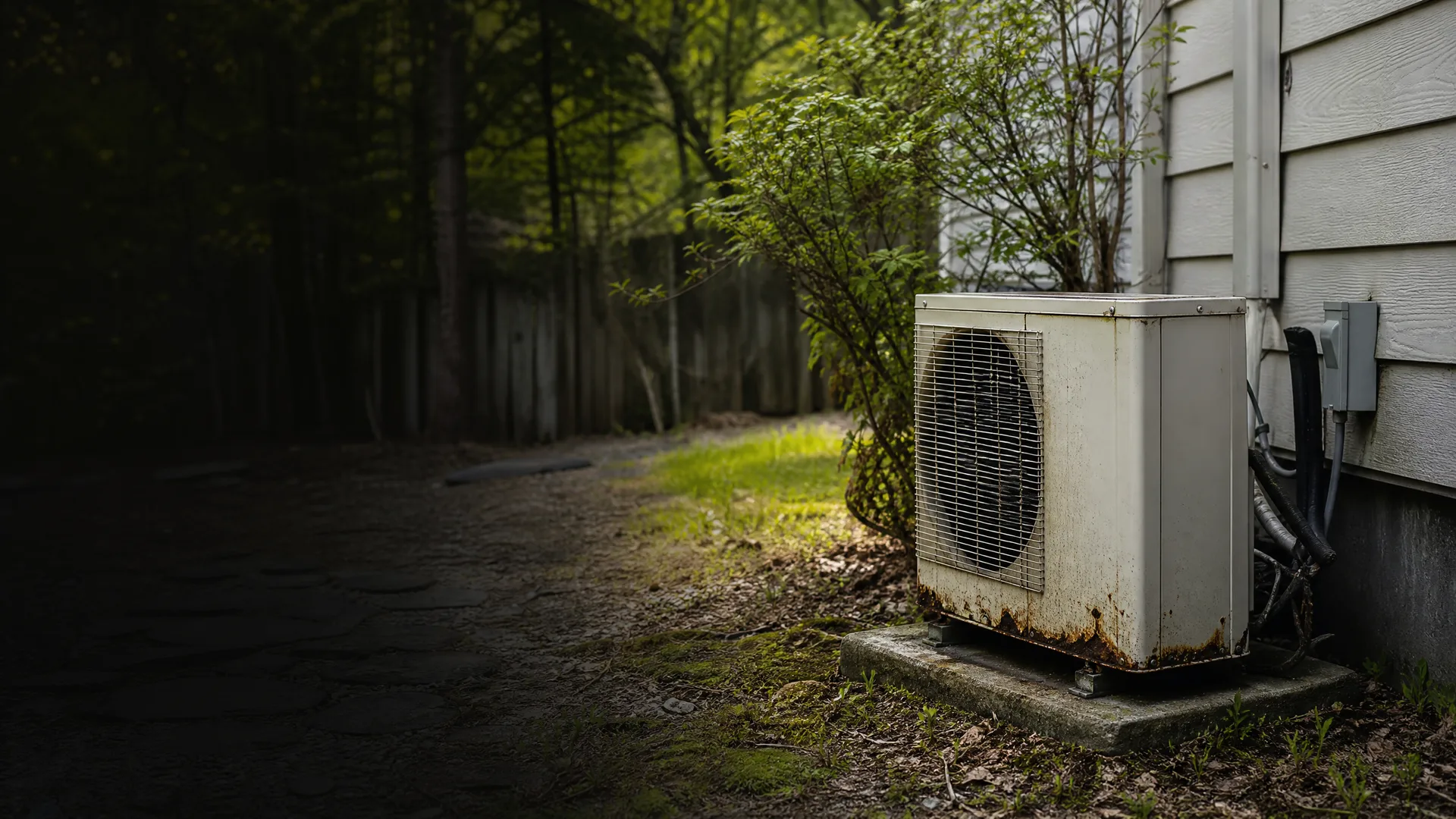
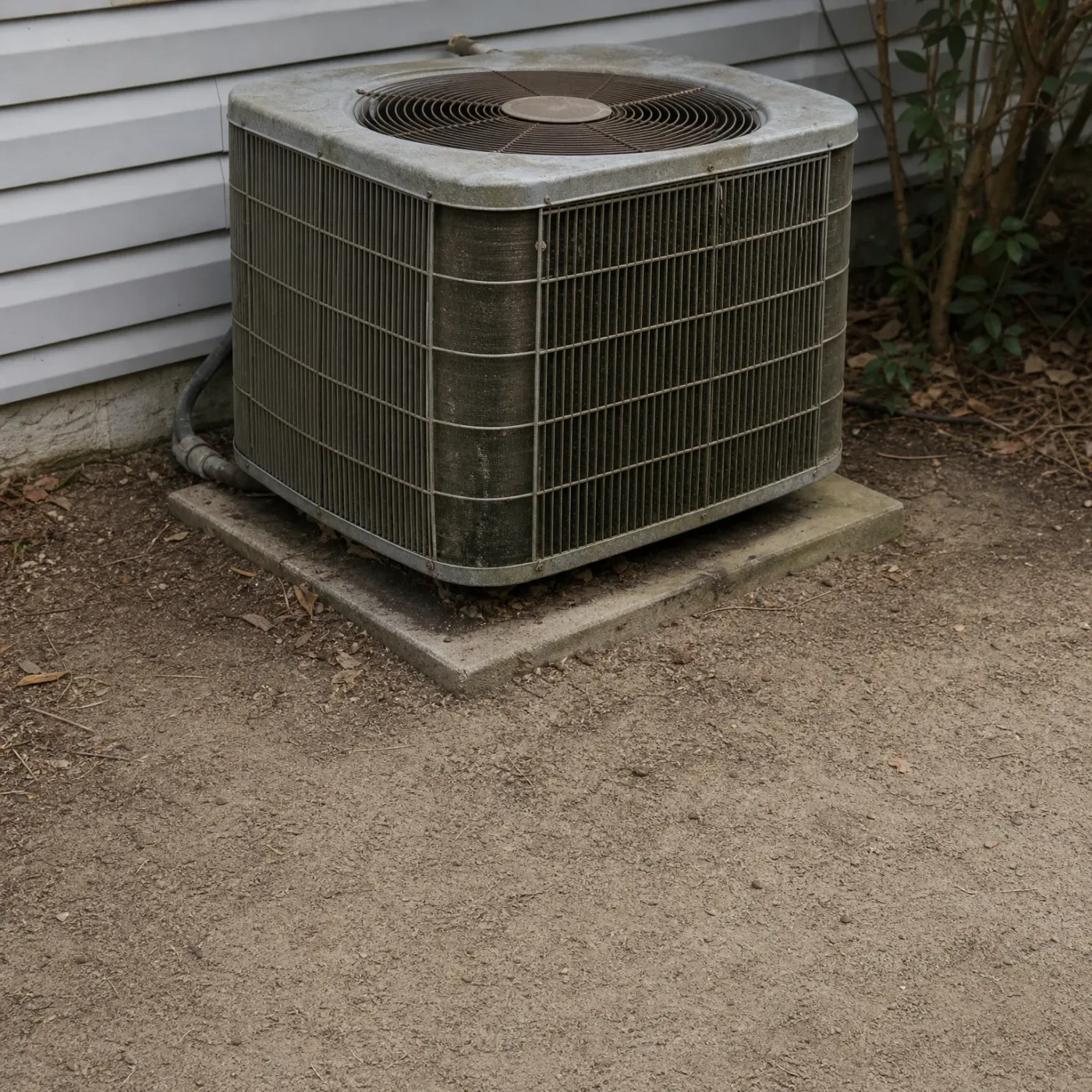
You walk out to the side yard in March to hose off the patio furniture and notice the outdoor unit for the first time in months. Rust has crept along the base, a line of orange flaking where the panel meets the pad. The grass around it is still winter brown. You crouch down and touch the metal, and a piece of it comes away under your thumb. It ran hard all through January, every time the kids came in from the bus stop wanting the house warm, and it'll be asked to work just as hard come July. You think about how many summers it's got left in it before you stand back up and go on with the hose.
Undersized vs. Oversized: What Each Costs You
Undersized
Costs less to install since the equipment and labor are smaller to begin with.
Runs close to full speed most of the summer, so you lose the quiet, low-stage operation a right-sized unit gives you.
Falls behind on the hottest afternoons, and the house settles a few degrees above the thermostat setting until the sun drops.
In January it leans harder on backup electric heat strips to make up the difference, and those pull a lot of power.
Cycles less often, which sounds efficient but usually means it's struggling to keep up rather than running smart.
Wears the compressor down faster from the constant strain of trying to satisfy a load it wasn't built for.
Oversized
Costs more upfront for a bigger compressor and air handler than the house actually calls for.
Cools the air fast, then shuts off before it's pulled the humidity out, which matters in Alabama's muggy summers.
Short-cycles, turning on and off in quick bursts instead of running a steady stretch, which adds wear to the compressor over time.
Leaves rooms feeling clammy even when the thermostat reads the right number, since moisture removal depends on run time.
Can overshoot the heat in winter, warming the house quickly but unevenly room to room.
Pulls more power at startup each cycle, and with electric heat already running the bill, those extra cycles add up.
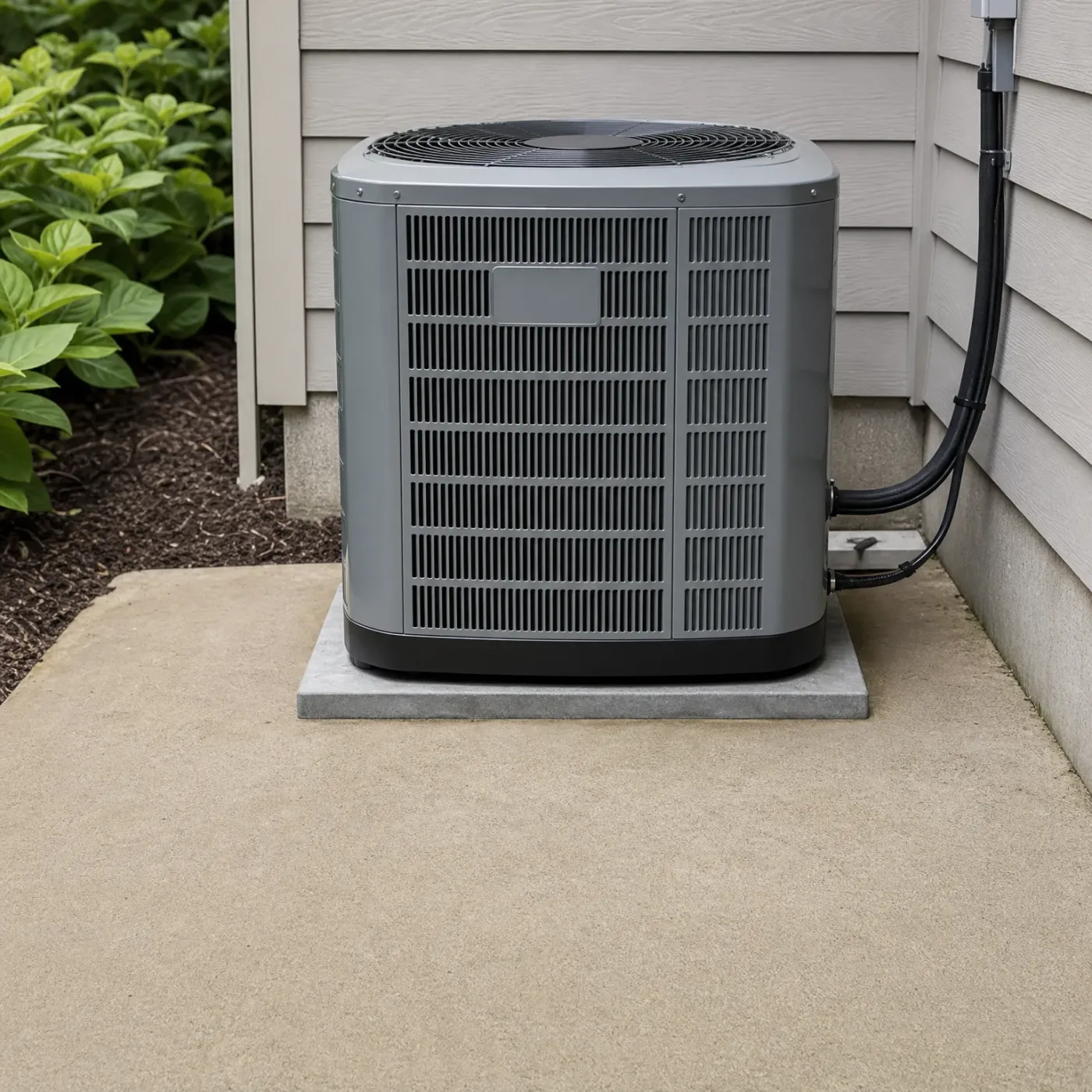
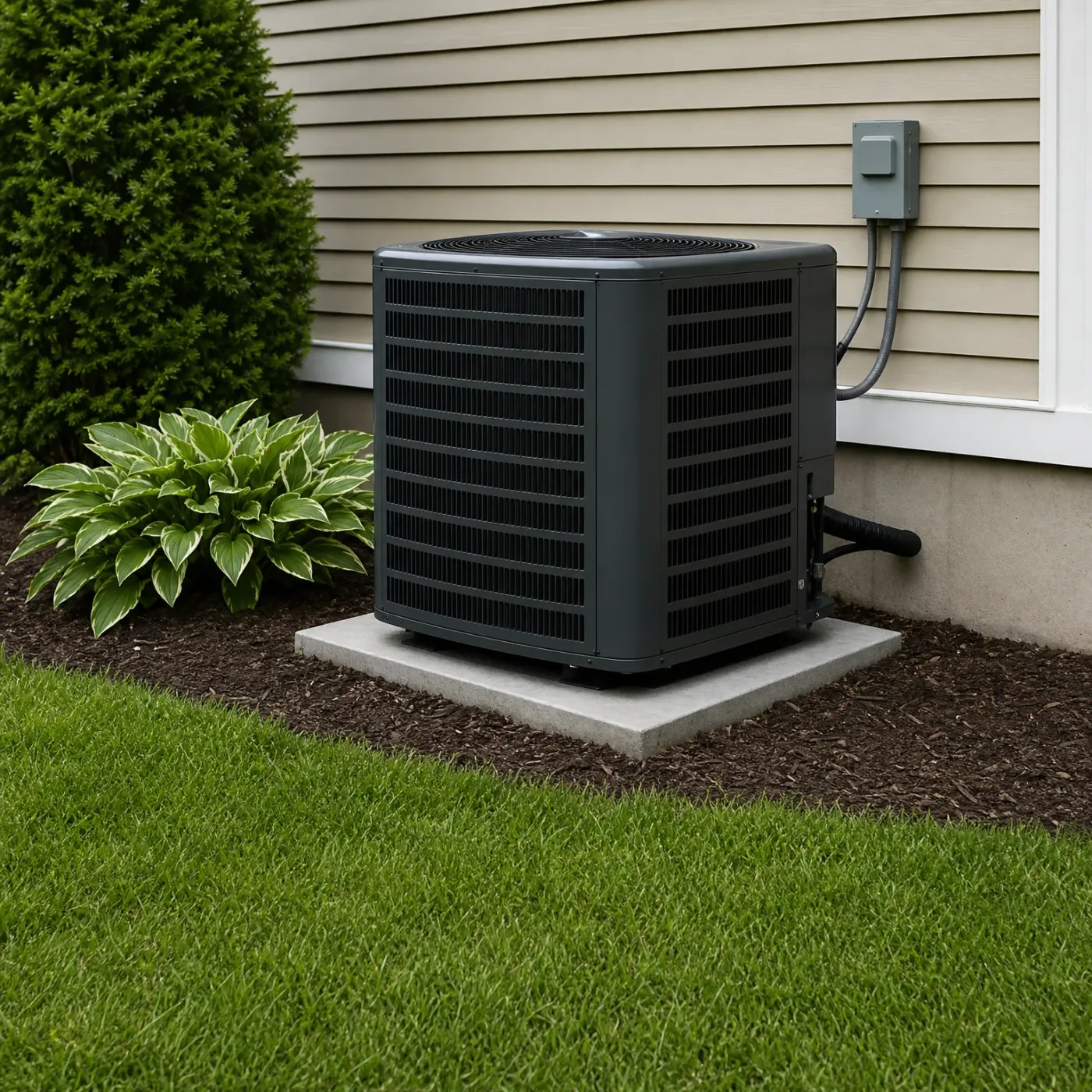
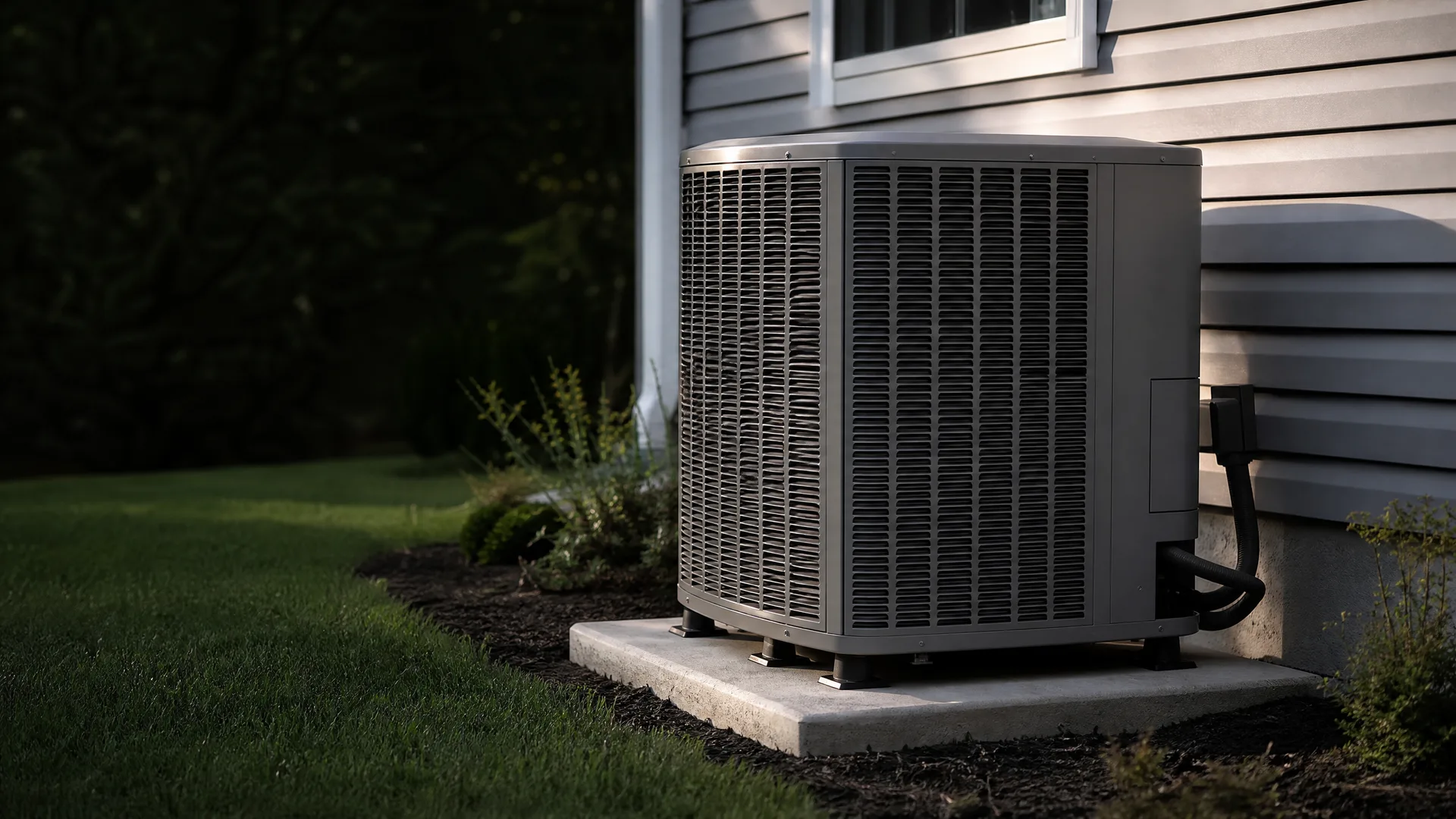
A heat pump sized right for your house cycles on and off and the air coming out of the vents is steady.
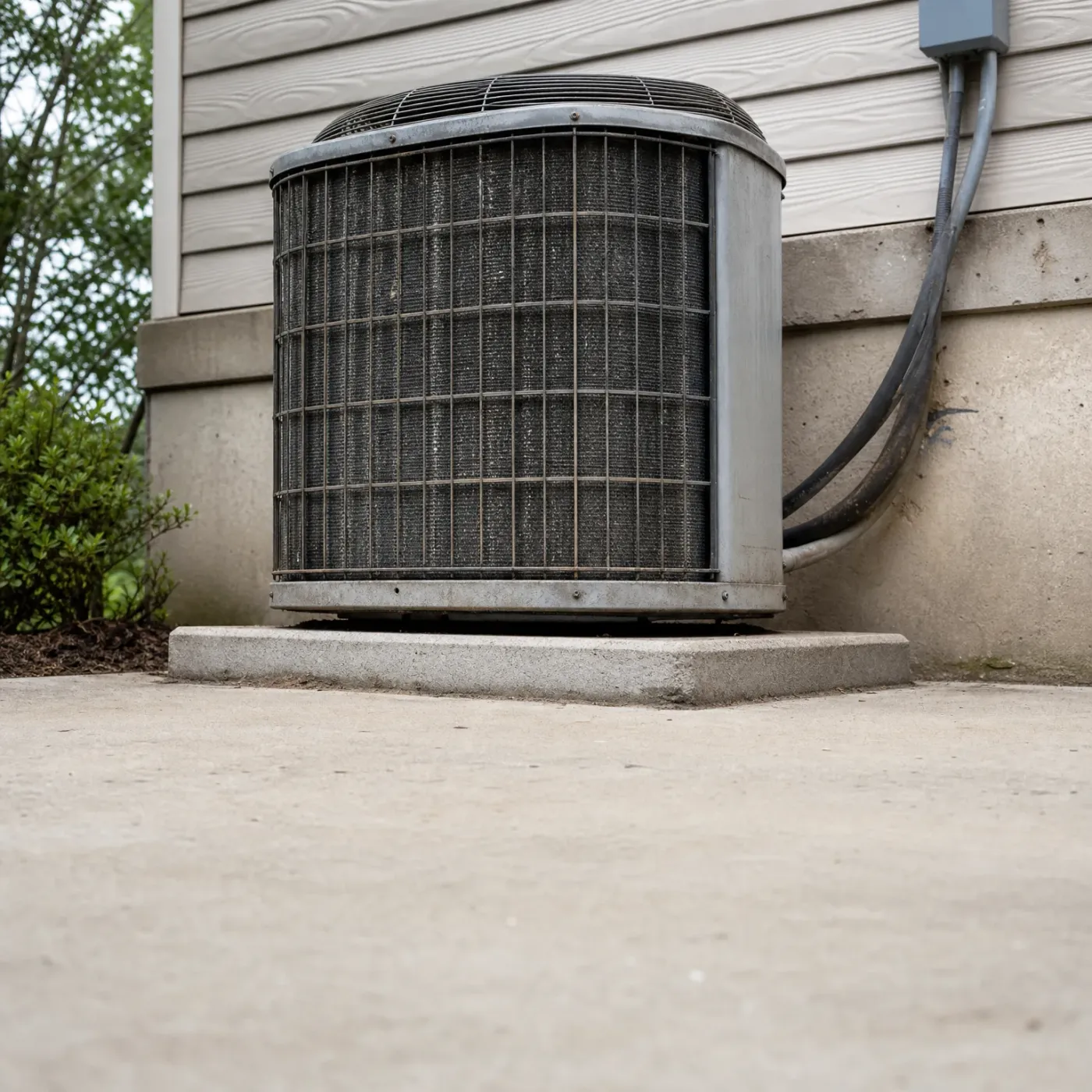
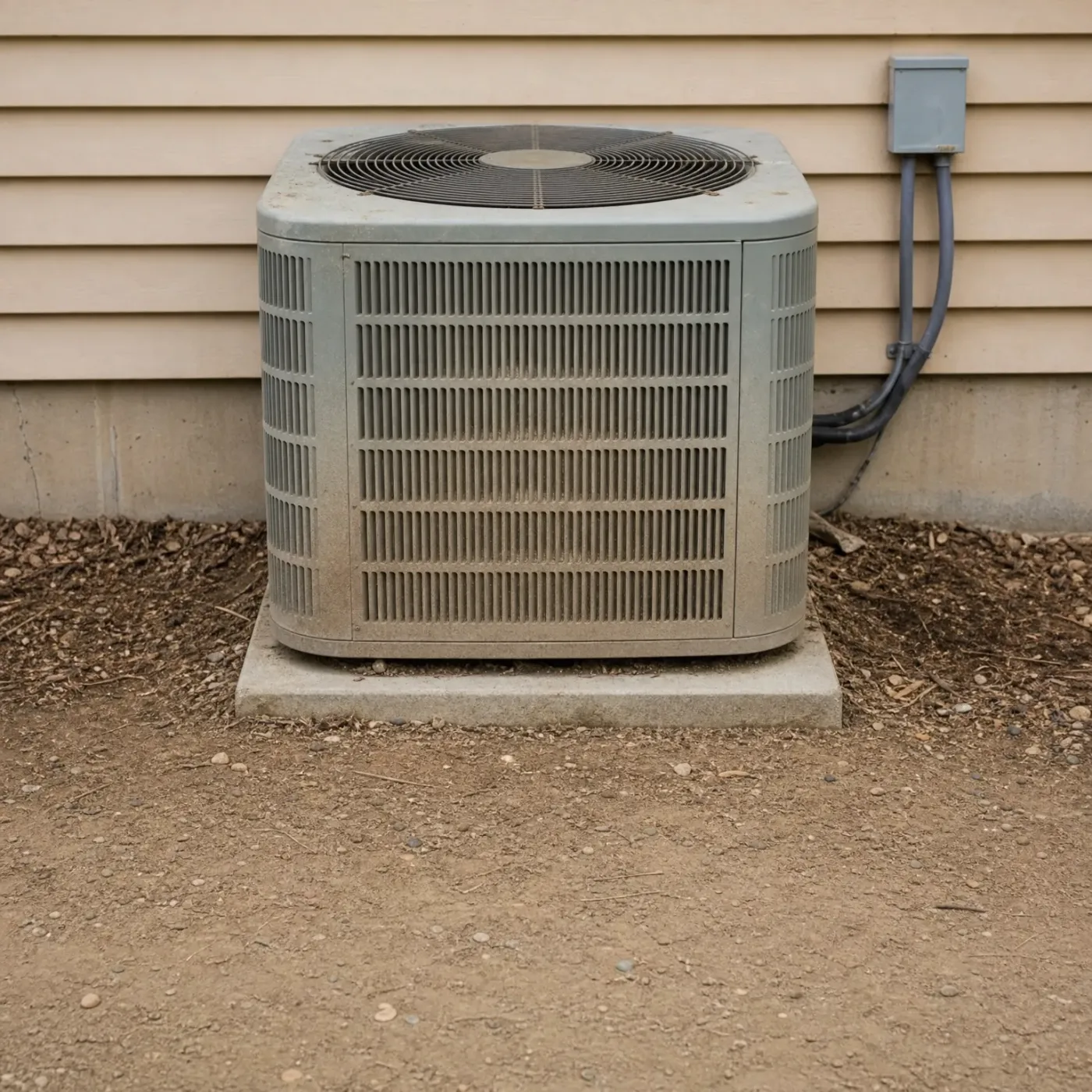
A unit working too hard for too long collects dust fast, and that grille tells you before your power bill does.
A load calculation tells you the tonnage. What it doesn't tell you is who shows up to install it right, and that matters just as much. A heat pump that's the correct size on paper still needs a refrigerant charge set to spec, ductwork sized to move that air, and a thermostat set up for your system's stages. Get any of that wrong and you're back to the same short-cycling or the same January struggle you're trying to fix. A contractor working heat pumps in Alabama homes all year, through muggy summers and the electric heat strips that kick in on the coldest nights, has seen where these installs go wrong and knows what to check before the unit ever gets set on the pad. Send the request and that part stops being something you have to manage. You've got the sizing figured out. Now get someone local who installs it so it actually performs that way, and get back to the rest of your week.
A summer dew point averaging 69°F, as measured across Alabama, is the sticky kind of air that sits on your skin even in the shade. Your heat pump has to pull that moisture out before the house feels cool, not just drop the temperature. That's why a unit sized right on paper can still leave the air feeling damp if it short-cycles instead of running long enough to dry the air out. You'll notice it most on the muggiest July afternoons, when the thermostat says the house has cooled but it still feels close and heavy. Sizing has to account for that moisture load, not just the square footage.
NASA POWER T2MDEW county cells weighted by homes
Running the way it should
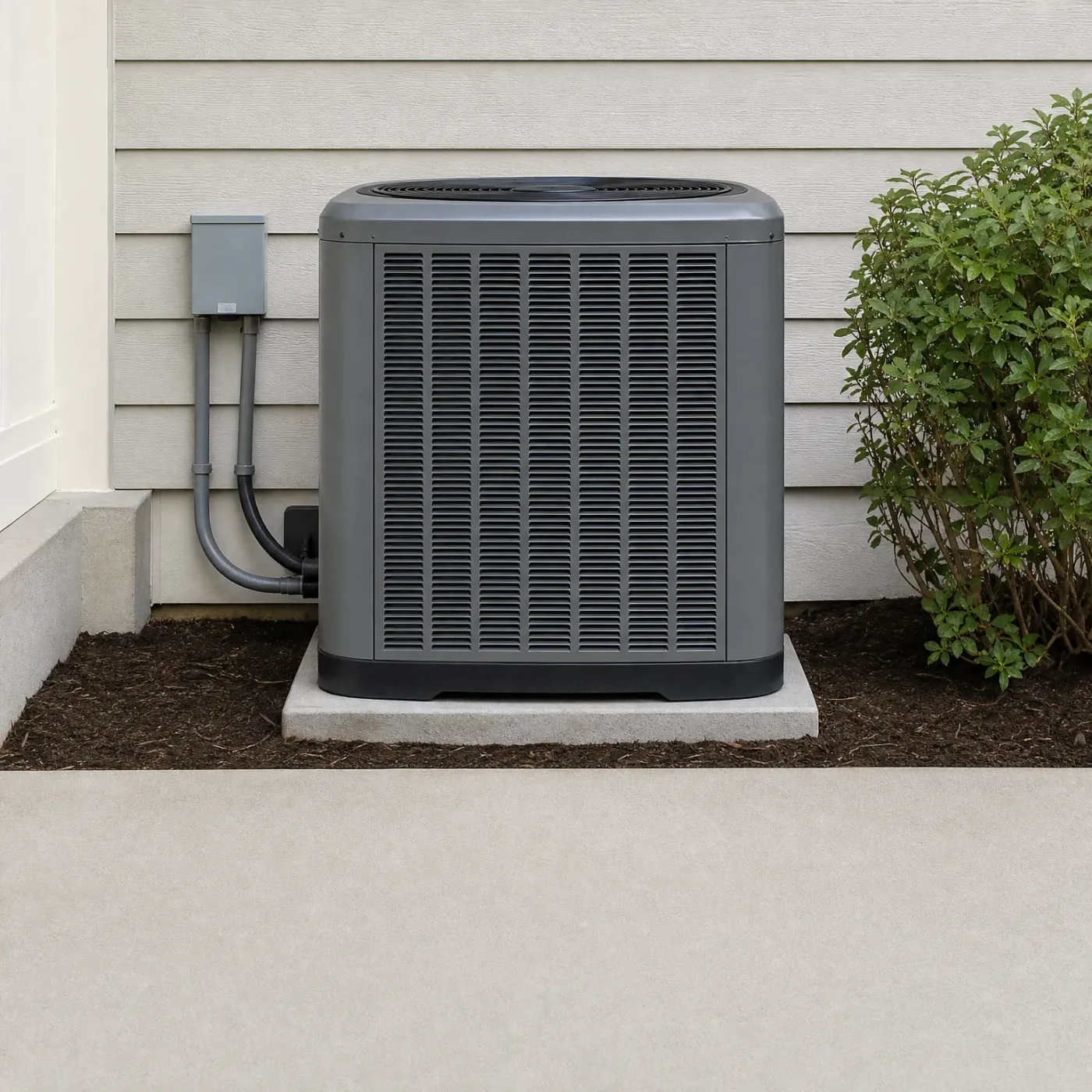
A right-sized heat pump cycles on, pulls the house down to temperature, and shuts off. The grille stays clean because the fan isn't fighting dust and grime hour after hour. The disconnect and lines sit there doing their job, nothing straining.
Running too hard, too long
A unit working past what it's built for never gets a real break, even overnight. Dust and grime cake the grille faster because air is moving through it constantly. That buildup chokes airflow further, so the unit works even harder to keep up.
Before you get your heat pump installationAfter you get your heat pump installation
1 ton covers about 400 to 600 square feet
That's the rule of thumb a load calculation refines. Your actual tonnage depends on insulation, windows and duct layout, not just the square footage on paper.
Power costs 16.09 cents per kilowatt-hour statewide
At that rate, every ton of cooling or heating you don't need shows up on your bill all year. A heat pump sized right for your house, not just rounded up for safety, is what keeps that cost from creeping past what it should be.
EIA-861 2025 statewide residential average
A two-story house in Huntsville
A two-story house splits load unevenly. The upstairs bedrooms sit over a hot attic and get the afternoon sun longer, so they run warmer in July and colder in January than the rooms below. A single heat pump sized off the whole house's square footage can leave the upstairs struggling while the downstairs is comfortable. A load calculation accounts for that difference room by room, and the duct design has to move enough air up there to match what the calculation finds.
A single-story ranch in Dothan
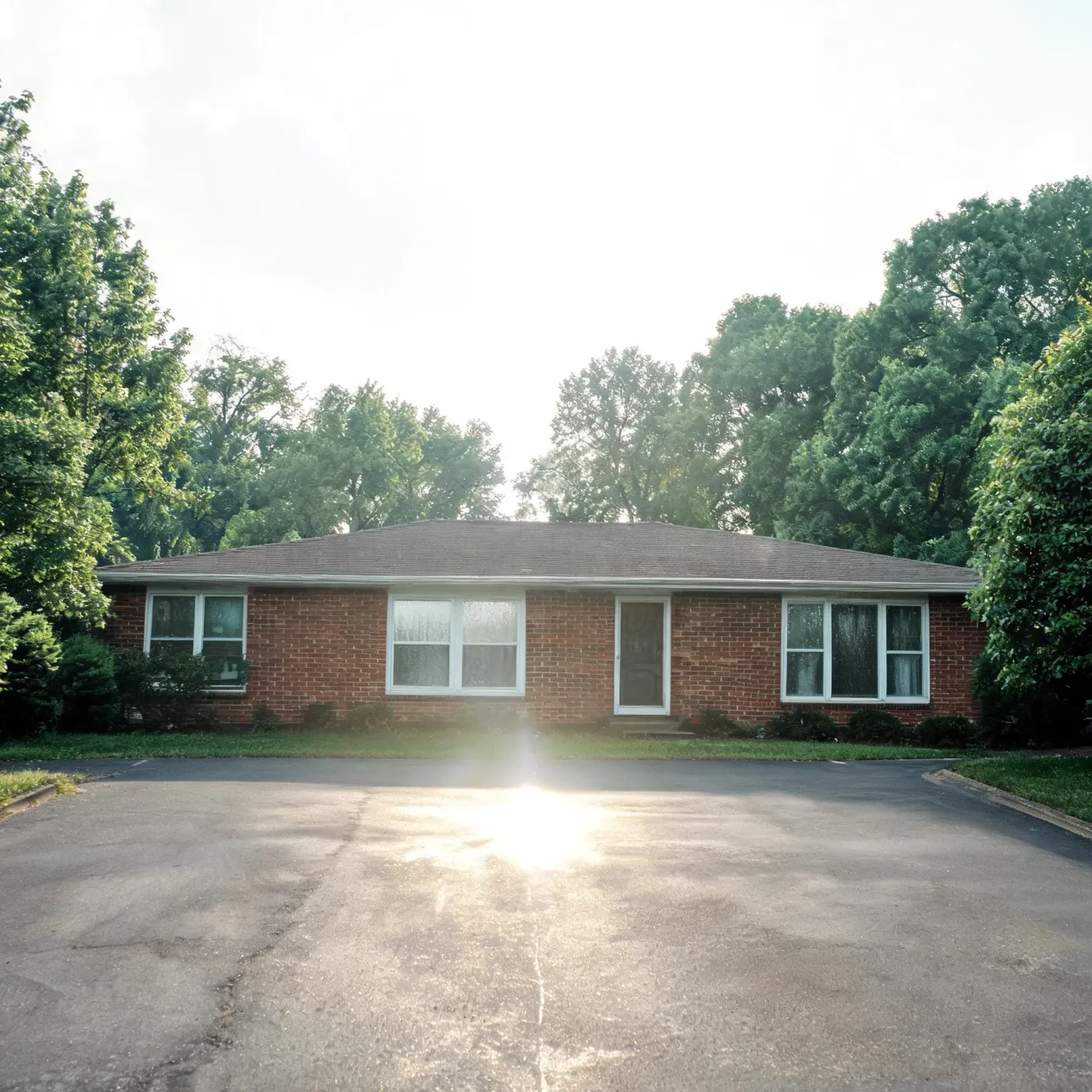
A one-story house with rooms spread across a single level gives a heat pump a more even job. Heat gain is closer to uniform from room to room, so the tonnage from a load calculation tends to match what the square footage alone would suggest. That doesn't mean the calculation is skippable. Window placement, insulation and duct runs still shift the number, and a unit sized without checking those still risks short cycling in summer or falling short on a cold January morning.
The right size comes from a load calculation, not a square footage chart, and that's the number that keeps your house even in both July and January. Once you know that, the install matters as much as the math. A load calculation tells a contractor the tonnage, but the work of getting it running right, the charge, the airflow, the ductwork, that's local knowledge as much as it's a spec sheet. The contractor who gets matched to your request is licensed and works in Alabama, on this equipment, in this heat and this humidity, every season. You'll hear from one contractor, not a handful of companies competing for your callback. That's who looks at your house, runs the numbers, and tells you what it actually needs to keep everyone in it comfortable through the worst of July and the cold mornings in January.