Describe your heat pump job, and a local pro who handles it gets in touch.
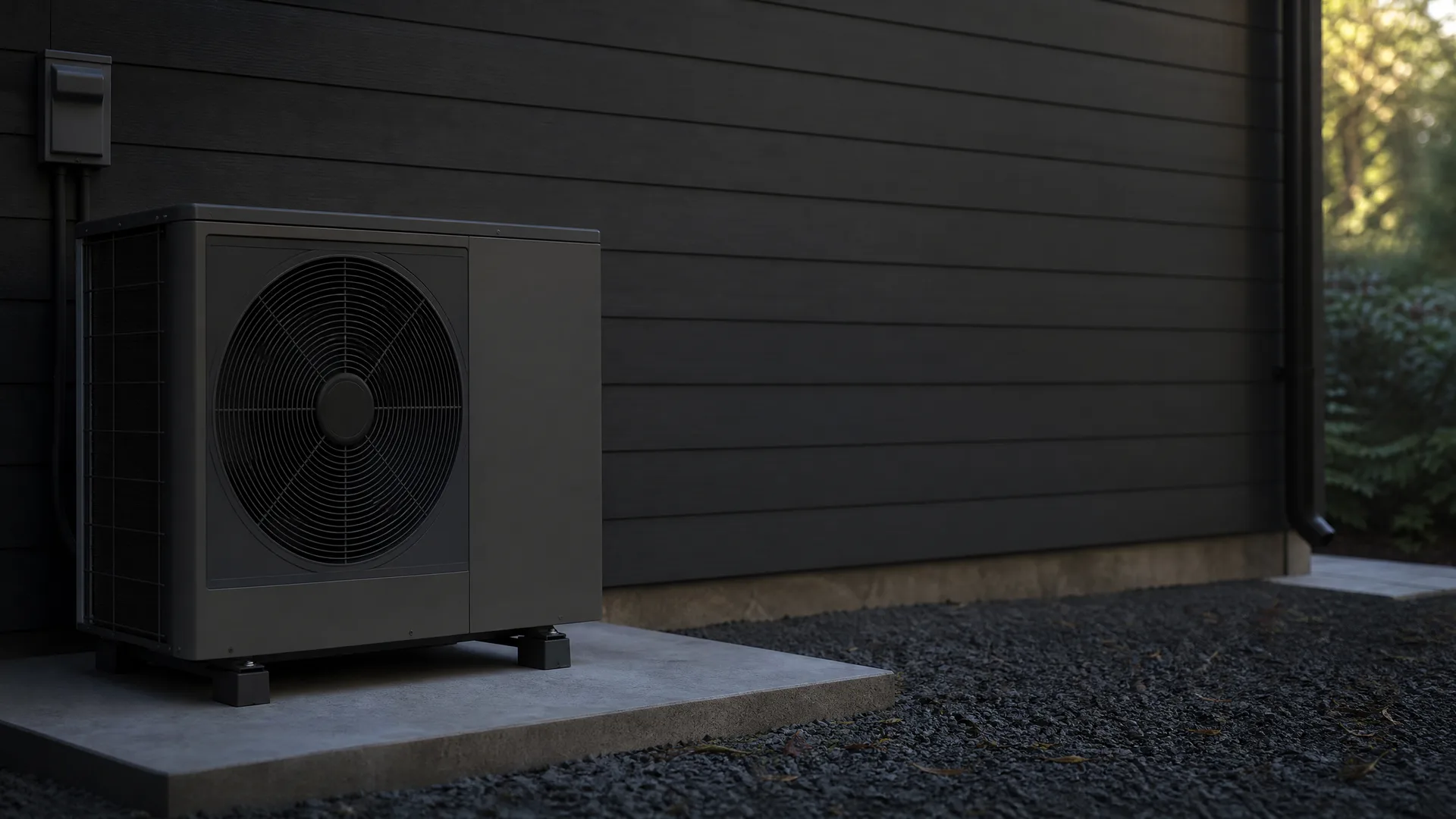
You walk past the outdoor unit in January and it looks like it's steaming. Fan's stopped. You might even hear it clicking or humming without moving air. That's defrost mode, and it's normal. Your heat pump is melting ice off its own coil so it can keep pulling heat from outside air, which is how the system heats your home all winter instead of burning gas.
The question is whether what you're seeing is a normal defrost cycle or a system that's stuck in one. A heat pump that runs defrost every twenty minutes, or sits frozen for an hour, or starts blowing cold air into the house and leaves it there, is telling you something is wrong. With electric heat this common in Alabama homes and power costing what it does, a heat pump that's cycling badly or losing its backup heat isn't just uncomfortable. It runs up the bill fast and it can leave you with no heat on a cold night.
Figuring out which is which from your own driveway is hard. A frozen coil could mean a bad defrost sensor, a failing reversing valve, a refrigerant leak, or a fan that's not kicking back on when it should. Most of those look identical from outside. That's the part worth handing off rather than guessing at.
If what you're seeing matches a problem and not just the system doing its job, the next step is getting a contractor who works on heat pumps in Alabama to look at yours specifically, not a general description of what defrost mode is supposed to look like. Once you're matched, that contractor reaches out to you directly. No need to call around town explaining the same thing to five different shops, no comparing quotes from people who haven't seen your unit. Just someone who knows this equipment, looking at what your heat pump is actually doing.
Defrost mode is your heat pump switching itself to a short heating cycle in reverse, sending warm refrigerant through the outdoor coil to melt off ice that's built up on it. Alabama winters bring enough cold, damp days for frost to form on that coil, especially overnight or during a stretch of freezing rain. While it's defrosting, the outdoor fan stops, and the system may briefly run like your air conditioner outside while a small heater or the indoor system covers the gap so you don't feel cold air inside. It should last several minutes, then shut off and go back to heating. If the outdoor unit is coated in ice when it isn't defrosting, or the cycle keeps repeating or runs long, that's worth having looked at. Caught early, it's a quick fix. Left alone, it strains a system you depend on all winter and drives up a power bill that's already high.
A thin, even coat of frost on the coil that clears itself in a short cycle, with steam rising as it melts, is defrost mode doing its job.
A coil caked in dirt and old grime under the ice makes it harder for the unit to sense frost and shed it, so defrost runs longer and the heat strip picks up the slack.
A thermistor or sensor on the outdoor coil watches for frost building up past a set point. Once it trips, the control board flips the reversing valve back to cooling mode, and the outdoor fan stops so the coil can hold heat instead of losing it to the cold air. The compressor keeps running, or a small heater kicks in, pushing warm refrigerant through the coil from the inside to melt the ice off. That's why the outdoor unit goes quiet and starts steaming at the same time. Inside your house, heat strips usually come on to cover the gap, since the system is briefly running in cooling mode and can't send warm air through your vents. Most units check every 30 to 90 minutes to see if defrost is needed, and the cycle ends once the sensor confirms the coil is clear or a set time runs out. A few minutes later the fan kicks back on, the valve switches back, and your heat pump goes back to heating your home like nothing happened.
What Happens During Defrost
A sensor on the outdoor coil or a thermistor on the refrigerant line tells the control board when frost has built up enough to trigger defrost.
The reversing valve switches the system back to cooling mode for the defrost cycle, which is why heat stops coming out of your vents for a few minutes.
The outdoor fan shuts off during defrost so the coil holds heat instead of losing it to the cold air moving across it.
A small heater or the compressor itself keeps running to supply the warm refrigerant that melts the ice from the inside out.
Most defrost cycles run on a timer, checking every 30 to 90 minutes, and end either on a clock or once a temperature sensor confirms the coil is clear.
Supplemental heat strips often kick on inside during defrost to offset the cold air that would otherwise blow through your home's vents.
Before you get your heat pump repairAfter you get your heat pump repair
Explain the job once and skip repeating it on every call.
Sending the form costs nothing.
Why the air feels cool
During defrost, the reversing valve sends the system back into cooling mode for a few minutes, which is why warm air stops coming out of your vents. Most systems bring on backup electric heat strips during this time so the house doesn't feel a sudden cold draft. That backup heat draws more power than the heat pump alone, so running up a lot of short defrost cycles in one night will show up on your bill. One or two cycles an hour in a hard freeze is normal and nothing to worry about.
How long a cycle runs
A defrost cycle on a working system usually lasts somewhere around ten minutes before the unit switches back to heating and the fan starts turning again. If you check on it and it is still running thirty minutes later, steam still rising, fan still silent, that is longer than it should take and points to a problem with the sensor, the control board, or the reversing valve itself. A heat pump stuck in defrost will keep the house cold and the strips running the whole time.
What a stuck defrost costs you
A heat pump that's frosting over more than it should, or that won't kick out of defrost and back to heating, leans harder on the backup electric strips to keep the house warm. Those strips use far more power than the compressor does, and with electric heat already running most Alabama homes through the winter, that difference shows up on the bill fast. You'll notice the air staying cool longer than it should, or the outdoor unit running nonstop without ever fully clearing. Left alone, ice that doesn't melt all the way builds on itself, and the coil carries more each cycle.
Catching it before it's a bigger job
A defrost cycle that runs too often, too long, or not at all usually traces back to one part: a stuck sensor, a reversing valve that won't switch back, or a control board that's lost track of the timing. Any of those is a straightforward fix on its own, and cheaper to deal with now than after a winter of extra strain on the compressor. Instead of searching around for someone who works on heat pumps, calling a few numbers, and explaining the same clicking and humming over and over, you can get matched with a contractor who handles this and have them reach out to you directly.
Power costs 16.09 cents per kilowatt-hour statewide
At 16.09 cents per kilowatt-hour, every extra minute those backup strips run during a stuck defrost cycle shows up on your bill fast. A heat pump that cycles through defrost normally and gets back to heating barely touches them. One that lingers in defrost, or won't come out of it, leans on the strips far longer than it should.
EIA-861 2025 statewide residential average
So that's what defrost mode is
A heat pump cycling into defrost on a cold Alabama morning, running a few minutes, and switching back to heat is doing exactly what it's supposed to do. The steam, the fan stopping, the clicking from the reversing valve: all normal. What's not normal is a unit that stays in defrost too long, cycles into it too often, or comes out of it and still blows cool air. That's when the electric strips end up doing the furnace's job at furnace prices.
If that's what you're seeing, you don't have to start calling around and describing the problem to three different contractors to find out who can even look at it this week. Tell this page what your heat pump is doing and a contractor who handles heat pump repair in your area will reach out to you directly. No sorting through quotes, no repeating yourself. Just someone who knows what a stuck defrost cycle looks like, getting in touch.
Get the right pro for your heat pump
Skip searching for a heat pump pro and answer a few questions instead.