





Heat Pump Alabama
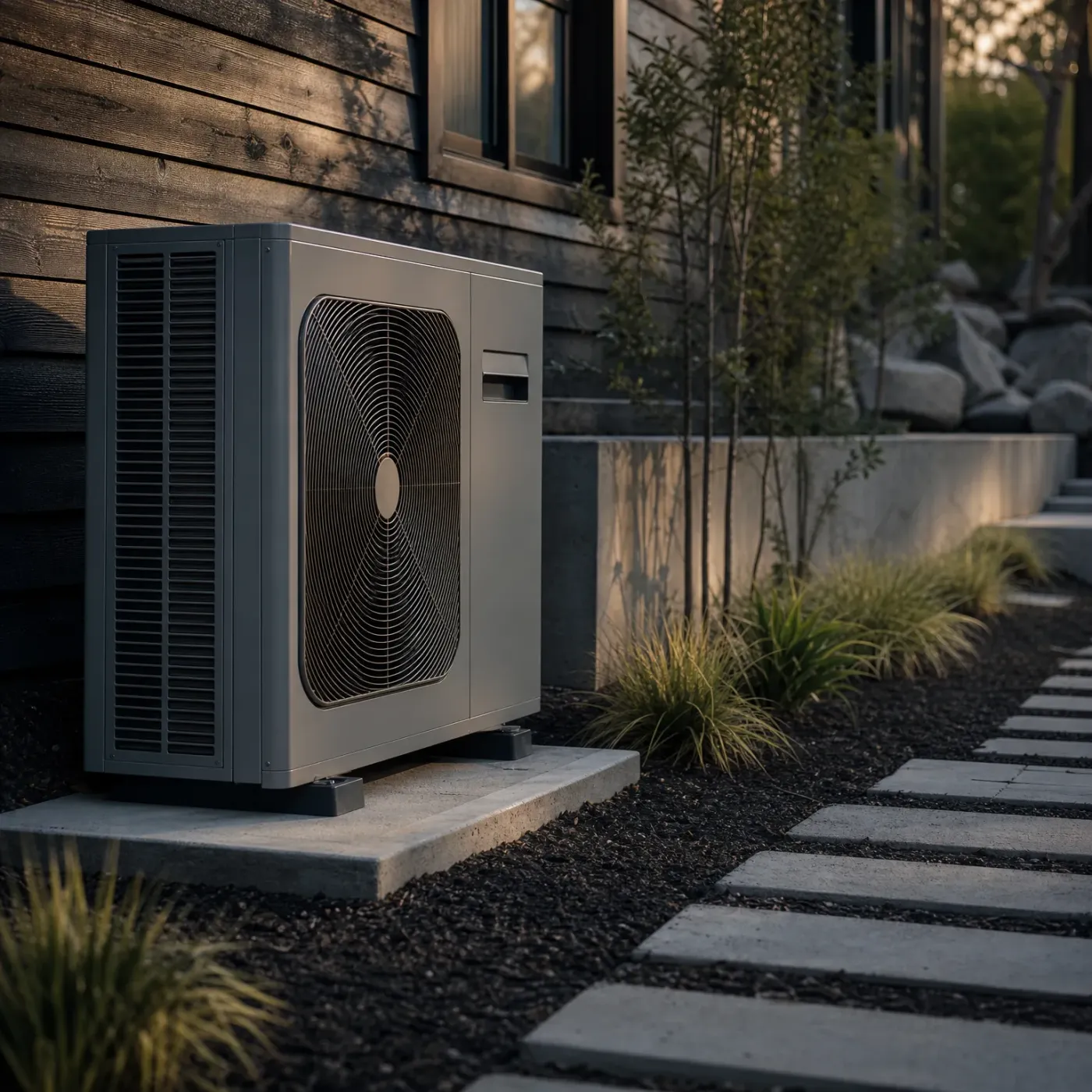
A gray outdoor heat pump unit with a circular fan grille sits on a concrete pad beside a dark wood-clad house, next to a gravel bed with ornamental grasses and a stepping-stone path.

A pro who works on heat pumps

What auxiliary heat means on an Alabama heat pump

"Aux heat" lights up on your thermostat and you're wondering if that's normal or if something's wrong, especially with what electricity costs here. This page covers why your heat pump switches to it, when it should kick on, and when it staying on points to a problem worth having looked at.

Match me with a pro

Auxiliary heat is the backup electric heat strip inside your air handler, and it switches on when your heat pump alone can't keep up with the heat you've set. You'll see the light most on the coldest mornings, when the heat pump is pulling what warmth it can from outside air and still falling short of the thermostat setting. It also comes on during defrost cycles, when the outdoor unit melts ice off its coil and the heat pump can't heat the house at the same time. A light that comes on for short stretches on cold mornings and goes off once the house warms up is doing what it's supposed to do. A light that stays on for hours, or comes on when it's not especially cold out, usually means the heat pump itself isn't pulling its weight anymore, and the system is leaning on the expensive backup to make up the difference. In Alabama, where most homes heat with electricity and power costs add up fast, that's worth having looked at before a full month on auxiliary heat shows up on the bill.

A bearded man in a plaid flannel shirt stands in a kitchen looking out a window toward snow-covered shrubs, with a steaming mug on the windowsill and potted plants on a shelf behind him.
A smiling man with dark curly hair in a navy t-shirt sits on a gray couch indoors, with a large-leafed plant and a window in the background.

Your heat pump works by pulling heat out of the outside air, even cold air, and moving it inside. The colder it gets outside, the less heat there is to pull, and somewhere in the mid-30s the pump starts losing ground against what your thermostat is asking for. That's where the electric strips in your air handler take over. They don't ease in. They're either off or pulling full power, like a toaster, which is why a long stretch on aux heat shows up on your power bill fast. Your thermostat brings them on when the air at the vents falls more than about 2 degrees short of your setting. You'll also see aux heat kick on for a few minutes during a defrost cycle, while the outdoor coil clears frost and the strips cover the gap. A light on the coldest mornings is the system working as designed. Aux heat running all day, every day, usually means the heat pump isn't carrying its share of the work anymore.

How aux heat actually works

  • A heat pump moves heat from outside air into your home, and below the mid-30s there's less heat out there to grab, so it loses ground.
  • Aux heat comes from electric strips mounted in the air handler, and they work by resistance, the same way a toaster or a space heater does.
  • Those strips don't ramp up gradually, they're either off or pulling full power, so a long run on aux heat shows up on your bill.
  • The thermostat calls for aux heat when the air coming from your vents is running more than about 2 degrees below the temperature you set.
  • A defrost cycle will also bring on aux heat for a few minutes, clearing frost off the outdoor coil while the strips cover for the heat pump.
  • If aux heat is running constantly instead of just on the coldest mornings, the heat pump itself usually isn't pulling its share of the load.
A woman in a gray turtleneck sweater stands by a window looking outside at snowy ground, with a dimly lit living room containing a sofa, shelves, lamp and a lit candle behind her.
A woman in a cream cable-knit turtleneck sweater stands in a warmly lit living room with a fireplace and shelves behind her, looking out a window toward snow-covered trees and a railed deck.
A woman in a cream knit turtleneck sweater stands by a window looking out at snow, with a lit fireplace, sofa and lamp in the room behind her.
A woman in a gray knit sweater sits by a window looking out at falling snow, with a dimly lit living room containing a sectional sofa, pillows, a lamp and houseplants behind her.

Get your heat pump to the right pro

A thermostat stuck on aux heat through an Alabama winter runs up your power bill fast, since those strips use far more electricity than the heat pump working on its own. If yours is staying on past a cold morning, or kicking on when it's only in the 40s outside, something is likely keeping the heat pump from doing its share of the work, a low refrigerant charge, a failing component, a thermostat set wrong for your system. Figuring out which one takes someone who can actually look at the unit, and tracking down that person yourself means searching, calling a few places, explaining what the thermostat's been doing more than once, then weighing quotes against each other. You don't have to do that part. Hand off what you're seeing, the light, the temperature outside when it shows up, how long it stays on, and let a contractor who knows these systems take it from there.

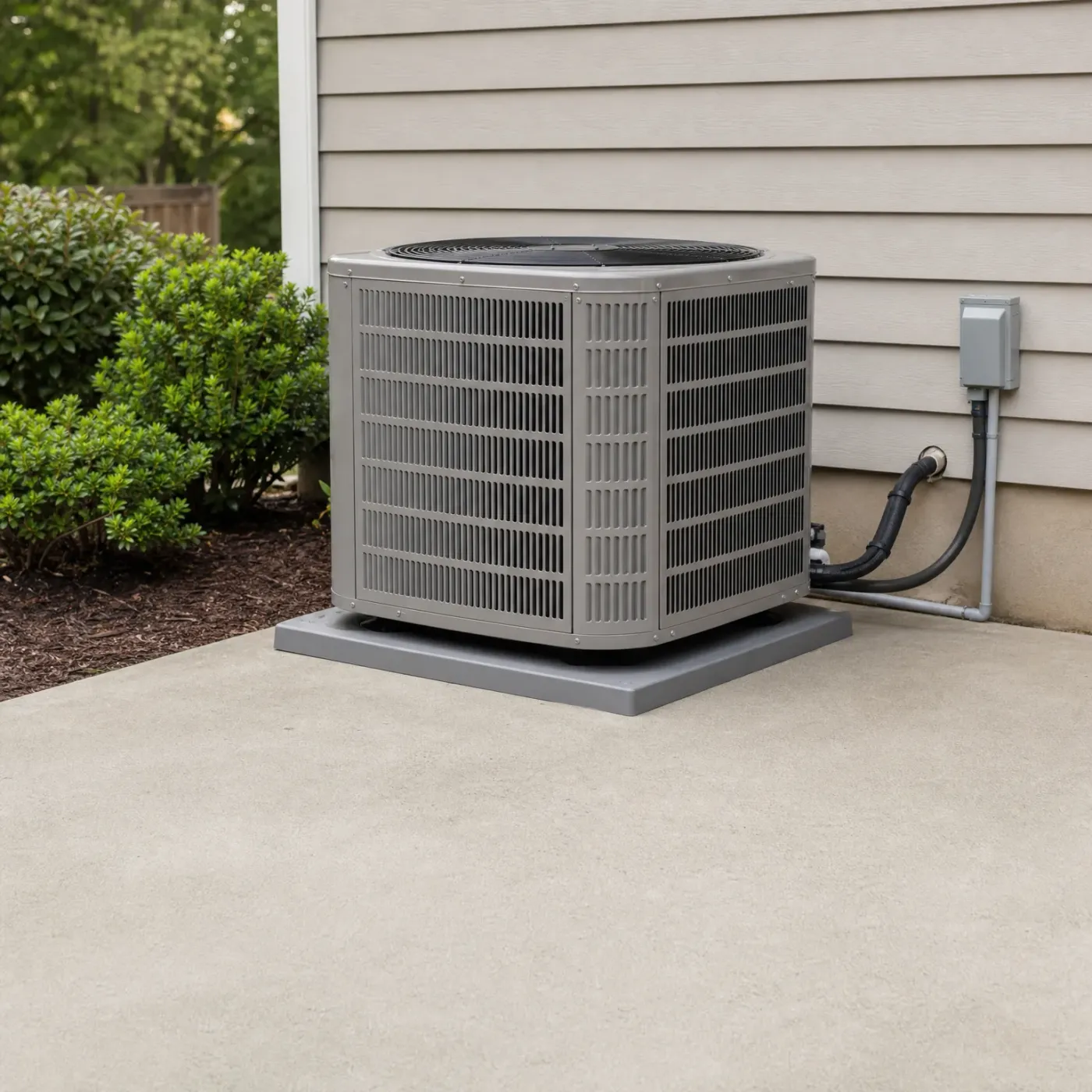
A gray outdoor condenser unit on a raised pad beside a house with horizontal lap siding, with refrigerant lines, conduit and an electrical disconnect box on the wall, and shrubs on a mulch bed to the left.

Aux heat working as it should

On a cold morning, aux heat clicks on, carries the load for a while, then backs off once your house catches up and the heat pump can take over again. You'll see the light for an hour or two, maybe less, and the system settles down on its own.
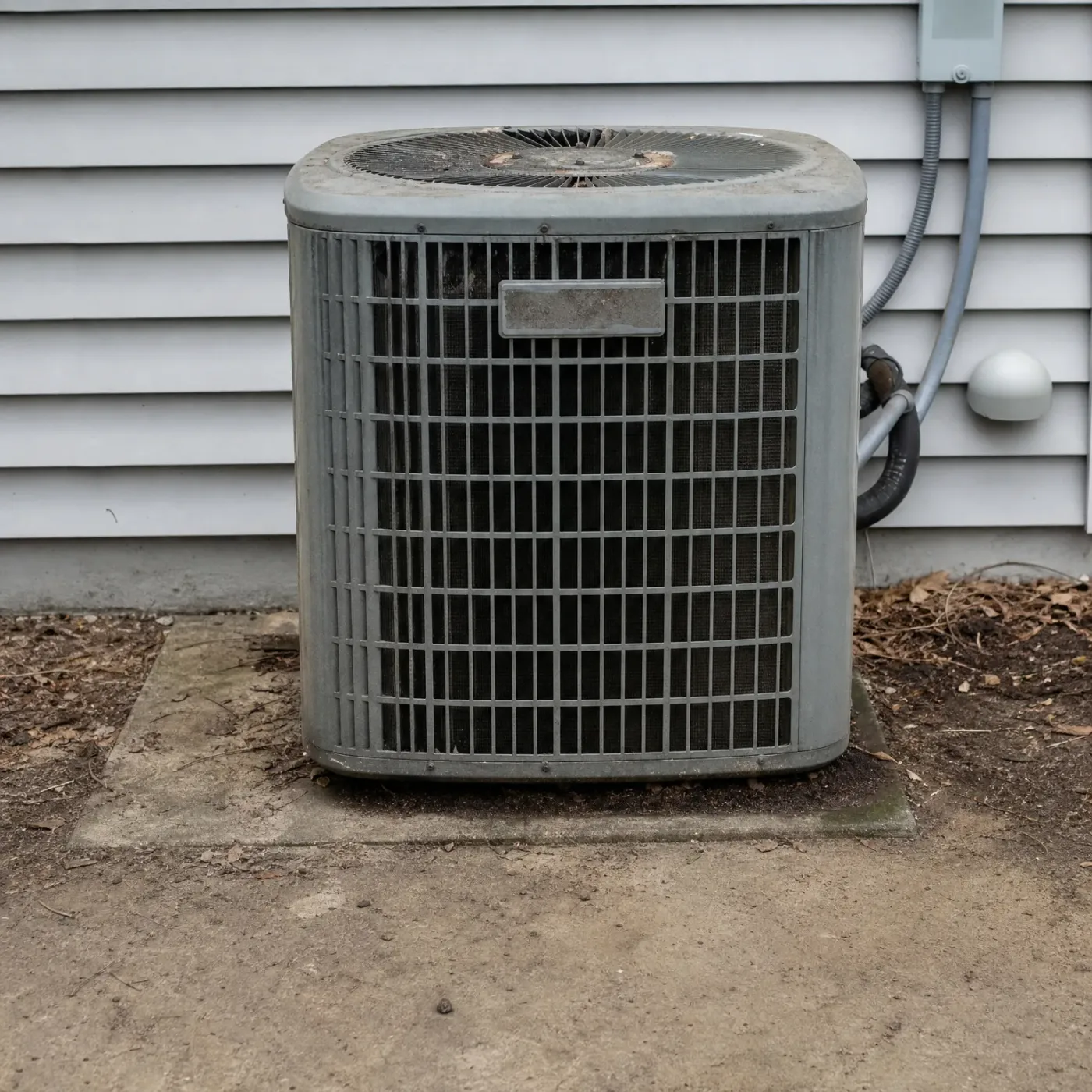
A weathered gray outdoor condenser unit on a concrete pad beside a house with horizontal vinyl siding, with conduit, refrigerant lines, and an electrical disconnect box on the wall behind it.

Aux heat that won't quit

The light stays on for hours, or shows up when it's only in the 40s outside, and your power bill climbs with it. That points to a heat pump that isn't pulling its share, whether it's low on refrigerant, iced over, or struggling with a worn part, and it's worth having looked at before another cold stretch rolls through.

Power costs 16.09 cents per kilowatt-hour statewide

At that rate, every hour aux heat runs costs several times what your heat pump costs to run on its own, since the strips work by resistance instead of moving heat. A system that leans on aux heat through a normal cold snap will show up on your next bill.

EIA-861 2025 statewide residential average

What the Aux Light Tells You

  • Aux heat is normal on cold mornings and a problem when it runs for hours or kicks in above 40 degrees.
  • The light tells you the strips are on, not whether the system is working the way it should.
  • A heat pump that leans on aux heat too often will cost more every month it keeps happening.
  • Catching the cause early, a low charge, a bad sensor, a stuck reversing valve, keeps one slow month from becoming a whole winter of them.
  • Instead of searching around and calling contractors one by one to explain the same thing again, you can get matched with one who already knows what this problem looks like.
  • Sorting through quotes and retelling the story to each new company is the part that goes away, not the work of fixing the system.

Aux heat is just the backup electric strips picking up what your heat pump can't on a cold morning. Seeing the light isn't the problem. It's how long it stays lit and when it comes on that tell you something. An hour while the house catches up is the system working right. Half a day, or a light that comes on when it's only in the 40s outside, means the heat pump isn't carrying its share, and the strips are covering for it at a much higher cost on your power bill.

A stuck reversing valve, a low refrigerant charge, a bad outdoor sensor, any of these can push a heat pump into relying on aux heat more than it should. None of them get better by waiting. A system that leans on backup heat through one cold snap will likely do it again the next, and each time costs more than the last.

Finding someone to look at it is usually the slower part, not the fix itself. You'd normally be searching for a contractor, calling a few, explaining the same thermostat behavior to each one, then sitting with quotes that are hard to compare because nobody looked at the same thing. Getting matched with a contractor who already knows what a heat pump stuck on aux heat looks like skips that part. The diagnosis and the repair still take the time they take. What you're spared is the runaround to get there.

An outdoor air conditioning or heat pump condenser unit sits on a concrete pad surrounded by gravel beside a dark horizontal-sided house, with grass and shrubs nearby.

The right pro for this job

Describe your heat pump job once, to one pro.

Step 1 of 3: Equipment