10 to 15 years old
Past this age, parts wear out faster than they're worth fixing. A local contractor can tell you if yours is close enough to replace instead of repair.

A heat pump that's past 10 to 15 years old and struggling to keep up is usually worth replacing rather than repairing again, especially in Alabama where the system runs most of the year between summer humidity and winter heating. These run double duty here, cooling your home through the muggy months and then switching over to heat it, since most homes in the state heat with electricity instead of gas. That means the unit sees more hours of work each year than it would somewhere with a shorter cooling season or a furnace to share the load. A repair makes sense if the problem is small and the system is still fairly young. But if you're calling someone out every year, or the compressor itself is failing, replacing it usually costs less over time than keeping it alive, especially with how much electricity costs in Alabama. A newer heat pump run efficiently matters more here than in most places, since you're paying for it every month, all year.




Past this age, parts wear out faster than they're worth fixing. A local contractor can tell you if yours is close enough to replace instead of repair.
A repair usually makes more sense here. Someone who services these year-round in Alabama can tell you if the fix will hold.

When the heat pump starts slipping, you feel it in specific ways. The upstairs rooms stay warm in July no matter where the thermostat sits. The outdoor unit runs long stretches in January and the air coming out doesn't feel as warm as it used to. Your electric bill climbs before anyone can point to why, because a struggling heat pump pulls more power to do less work, and electricity here isn't cheap to begin with. None of that means it's broken. It means it's working harder for a smaller result, month after month, on a system that already runs nearly year round in this climate.
Finding out which one you've got usually means calling around, repeating the same description of the problem to three or four companies, then trying to compare quotes that aren't quite measuring the same thing. Skip that part. Tell this page what's going on and a licensed Alabama contractor who works on heat pumps all year, in houses like yours, takes it from there. One call, one visit, a straight answer on whether this is a repair or a system that's done.

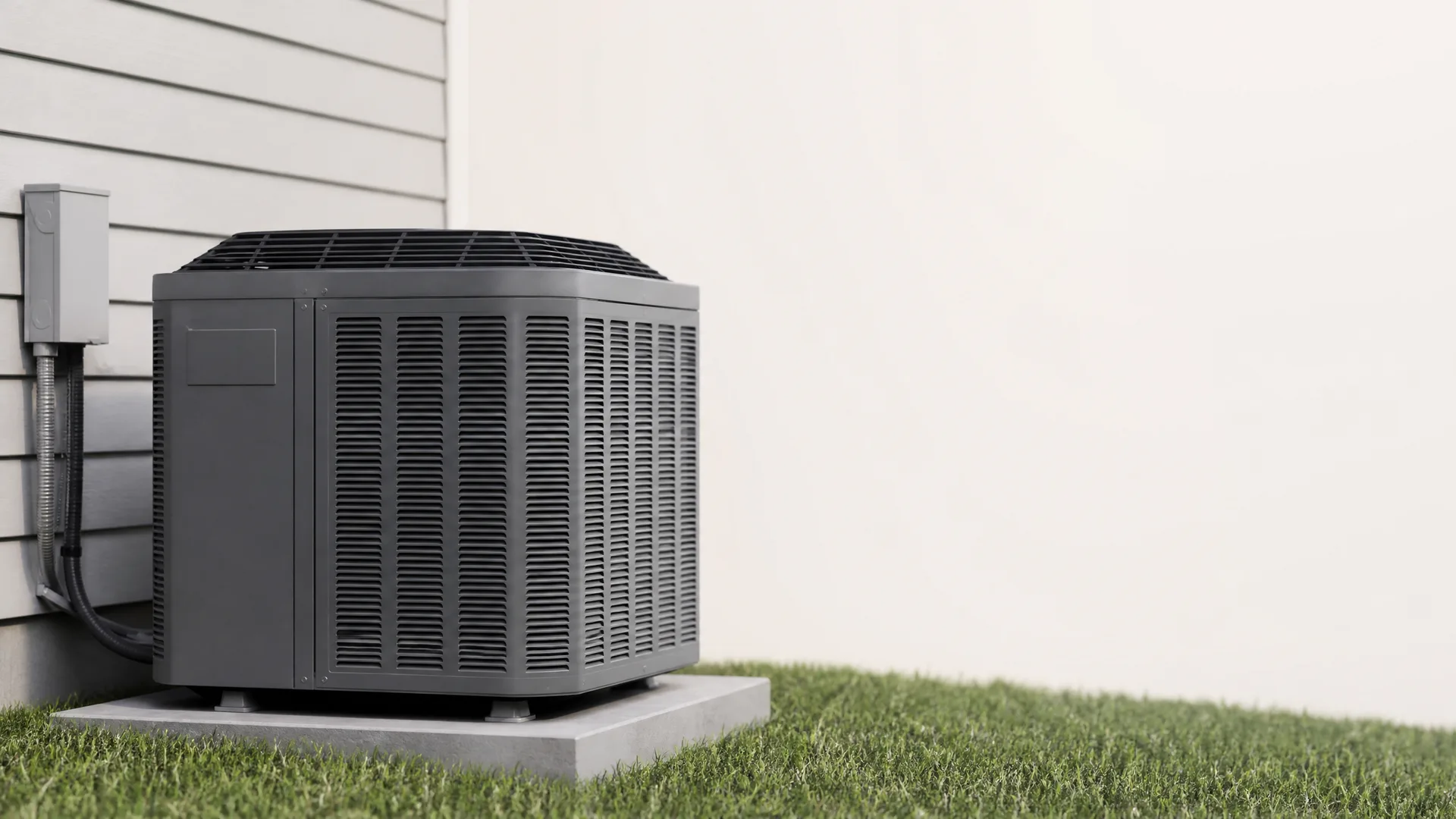
A heat pump under 10 years old with one failed part, a bad capacitor or a stuck reversing valve, is usually worth fixing. The rest of the system still has years in it. A contractor who works on these year-round in Alabama can tell you in one visit whether the compressor and coils are still sound, and if they are, the repair bill buys you several more summers and winters out of the unit you already have.
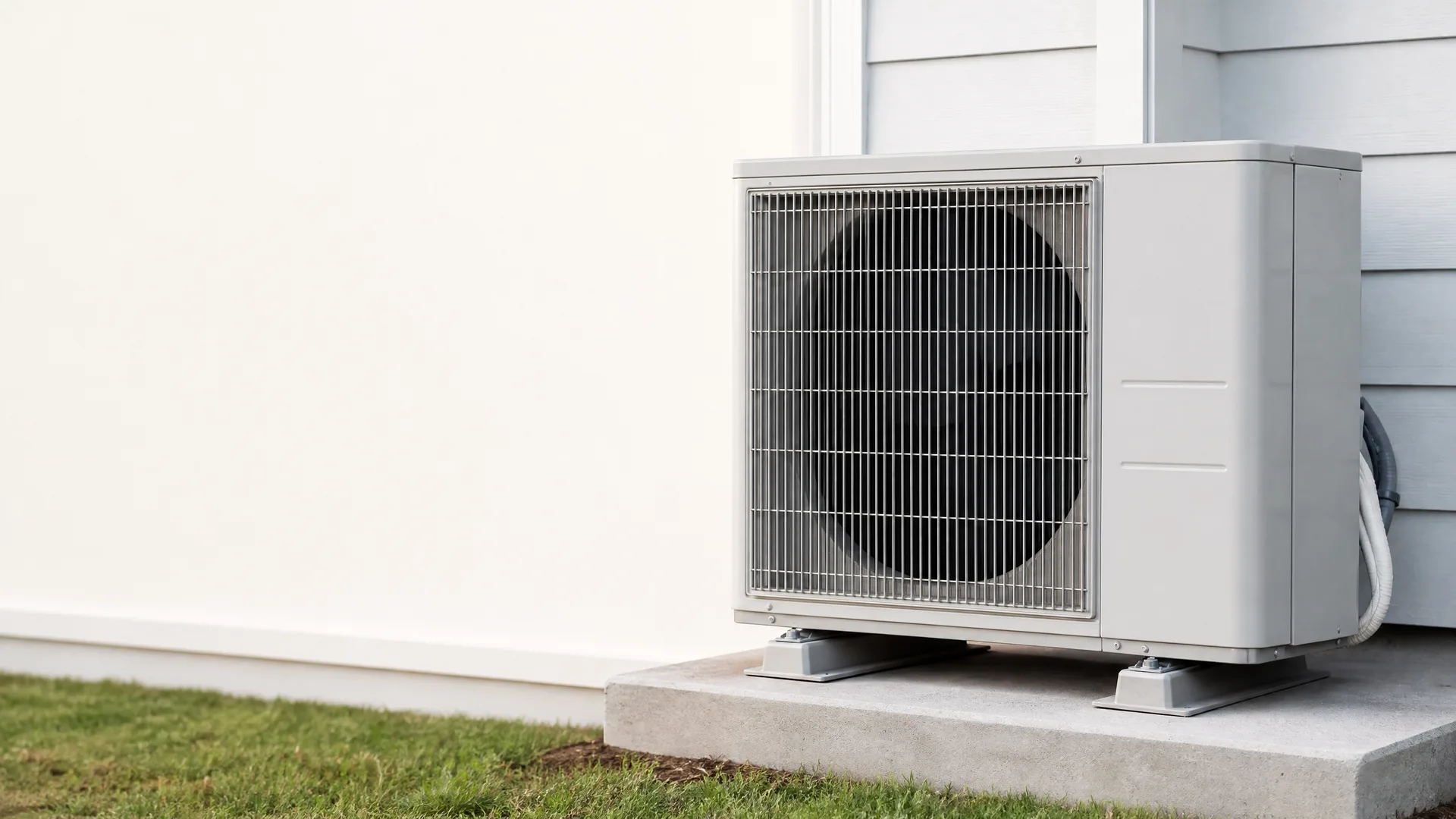
Once a heat pump is past 15 years and the repairs keep coming, you're paying twice: once for the fix, again every month on a unit that can't run efficiently anymore. A failing compressor or a refrigerant leak in an old coil often costs close to what a new system would. In Alabama, where electric heat runs the bill all winter, a new heat pump sized right for your house will cost less to run than the one you have now.
You've noticed the thermostat showing "emergency heat" more mornings than not, or the strip heat kicking on when it's only in the 40s outside. That's a different problem from the unit just running a lot, and it usually points to the heat pump not keeping up with the house rather than the cold snap being unusual.
A heat pump pulls heat from the outside air, and the colder it gets, the harder that is to do. Below a certain outdoor temperature, most systems switch on backup electric strips to help out, and that's normal for short stretches. It's a different story when emergency heat runs constantly or kicks in on mild days. That usually means the outdoor unit isn't pulling its weight anymore, often from a low refrigerant charge, a failing compressor, or a reversing valve that's stuck. The strips will keep the house warm either way, but they cost more to run than the heat pump itself. A contractor who works on these in Alabama winters can check the charge and the valve and tell you whether it's a fix or a sign the system's done.
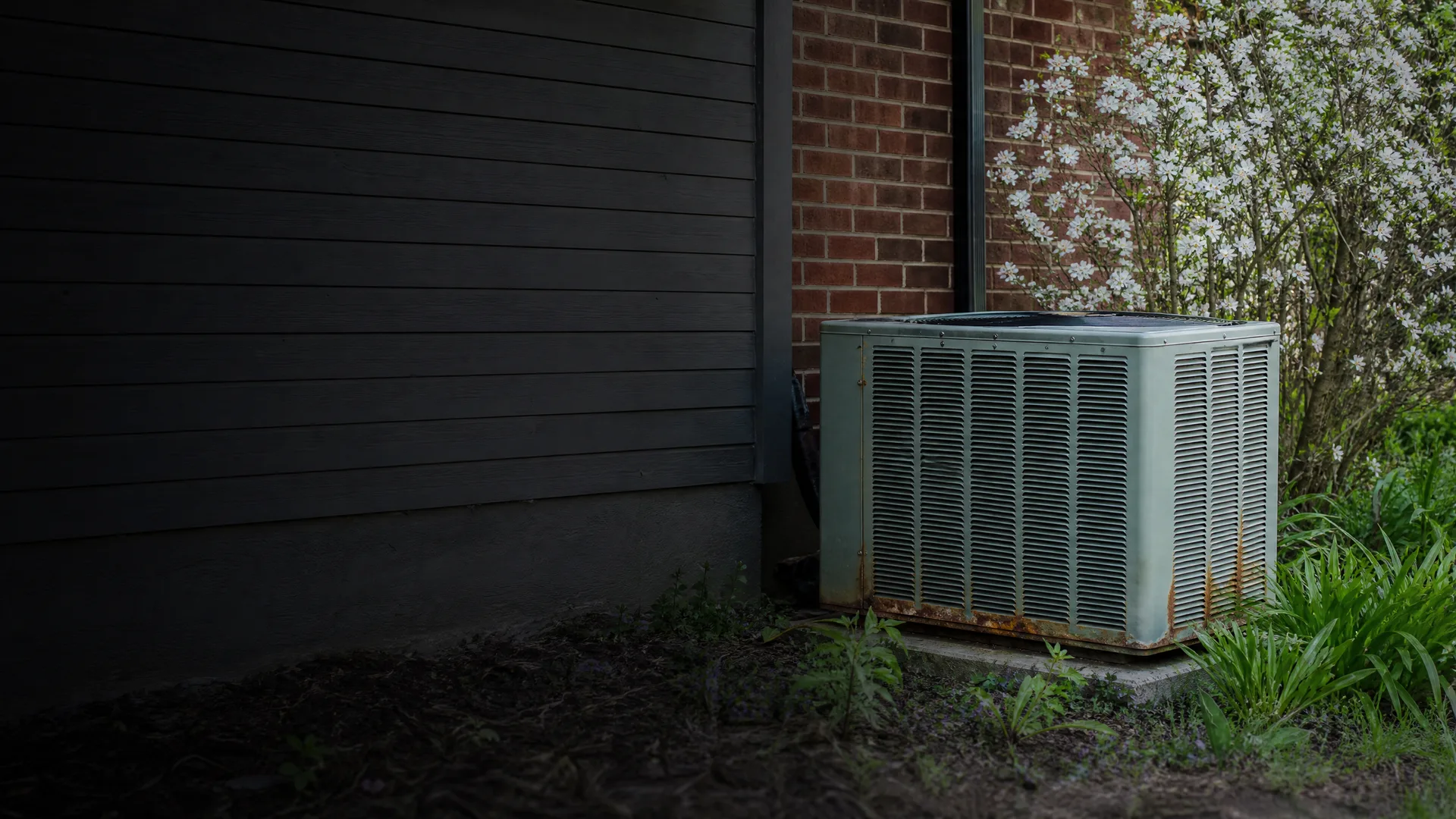
You're out pulling weeds along the side of the house on a Saturday in March when you notice it again: rust creeping up the base of the outdoor unit, flaking off when you brush past it with the rake. It's been sitting there since before you owned the place. The fan still kicks on fine, but you remember what the contractor said last fall about the coil underneath that rust, and you wonder how much longer it's got. You make a note on your phone to deal with it before summer, so you're not stuck calling around in July when it's ninety-five out and every company in the county is booked solid with the same problem.
Once you've decided a replacement makes more sense than another repair, the next question is who installs it. That usually means searching around, calling a few companies, explaining the same symptoms each time, then waiting on quotes to compare line by line while your heat pump keeps struggling through Alabama heat or cold. Sending the request here skips that. It goes to one licensed Alabama contractor, not a handful, so you're not fielding five calls the same afternoon. Whoever gets it works on heat pumps in this climate all year, through the humid stretch and the cold mornings when the strip heat runs, so they've seen what tends to fail on a system your unit's age and know what questions to ask before they ever see it. You still have a decision to make about your system. You just don't have to make it after spending an afternoon on the phone first.
You could search up every heating and cooling company in your area, call each one, explain the age of the unit, the rust on the base, the rooms that never cool right, then wait while they work you into the schedule. A week later you're doing the same thing again with the next company so you have something to compare. By the time you've got two or three quotes back, March has turned into May and the unit is still struggling through the warm afternoons.
You answer a few questions about your heat pump once, and it goes to a contractor local to Alabama who installs this equipment every season and has a good sense of what tends to fail first in units run this hard. You're not fielding calls from five companies at once, comparing paperwork, or repeating yourself to someone new each time. One contractor, already familiar with what a heat pump this age is up against here, looks at your situation and tells you what it needs.


Keep paying to patch an old unit and you're still looking at the same worn compressor next summer, plus whatever the next failure costs on top of what you already spent.
Replace it now and the new system carries a warranty, runs on a modern compressor built for Alabama's long cooling months, and stops costing you for the one you were trying to save.
At 16.09 cents per kilowatt-hour, every hour your heat pump runs inefficiently shows up on the bill fast. An aging compressor or low charge makes it work harder for the same heat or cooling, and in a house that runs on electric heat all winter, that difference adds up month after month.
EIA-861 2025 statewide residential average
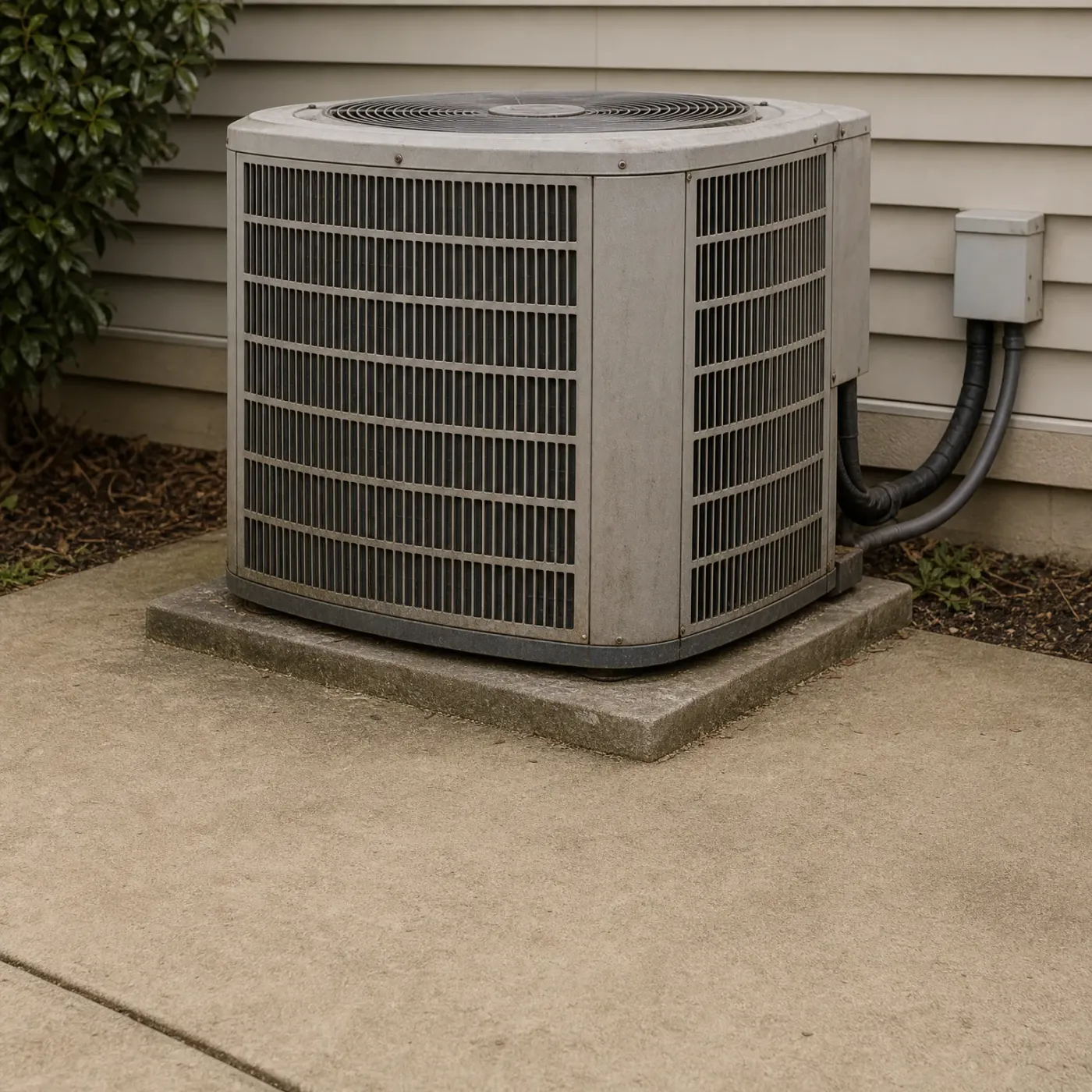
The National Weather Service puts the average summer dew point across Alabama at 69°F. That's heavy, sticky air, the kind that makes a room feel warm even after the thermostat says it's cooled down. Your heat pump has to pull that moisture out before the air actually feels right, not just reach the set temperature. An aging compressor or a low refrigerant charge struggles with that part of the job first. You'll notice it as a clammy feeling indoors even while the unit keeps running, or as the air handler cycling longer than it used to without the house feeling any more comfortable.
NASA POWER T2MDEW county cells weighted by homes
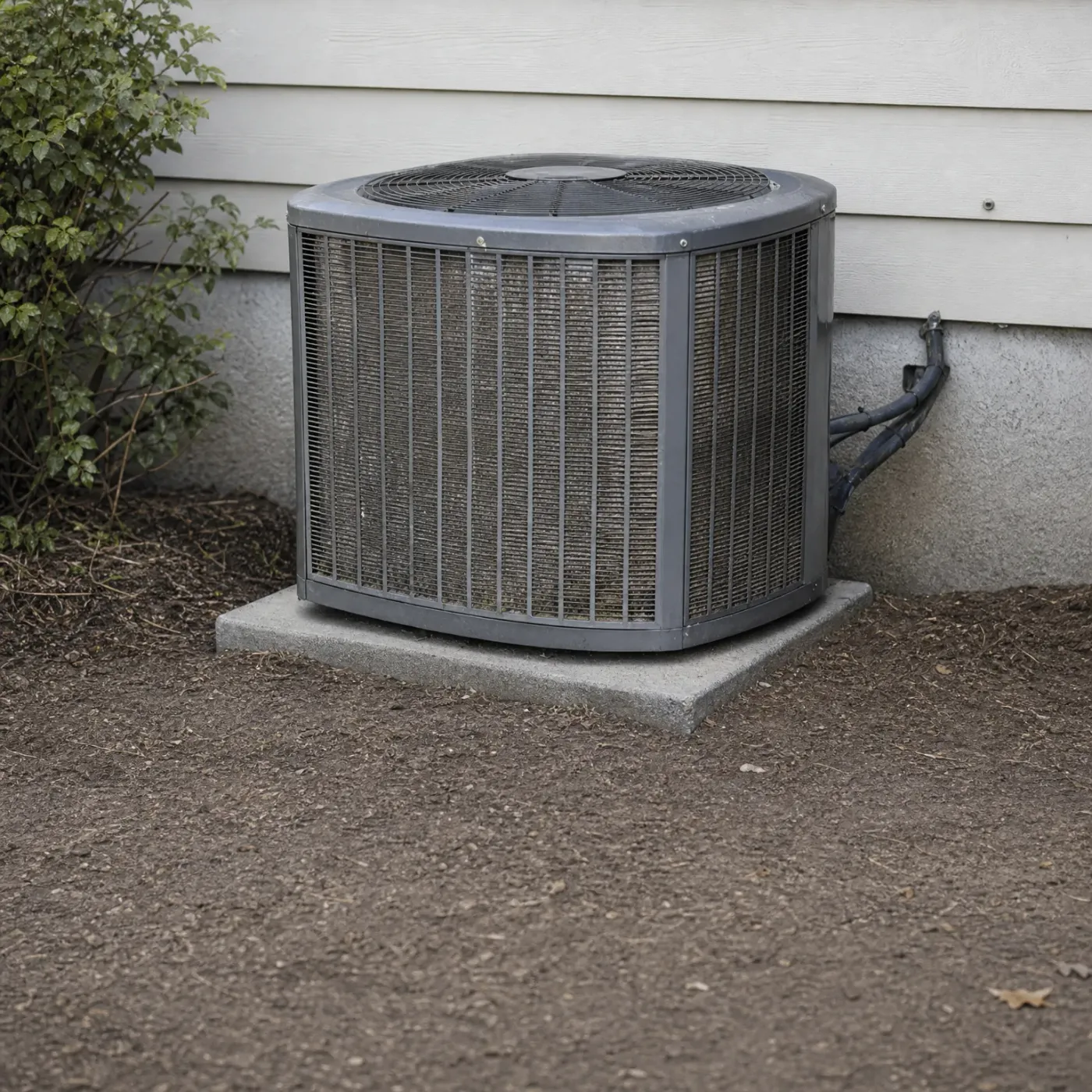
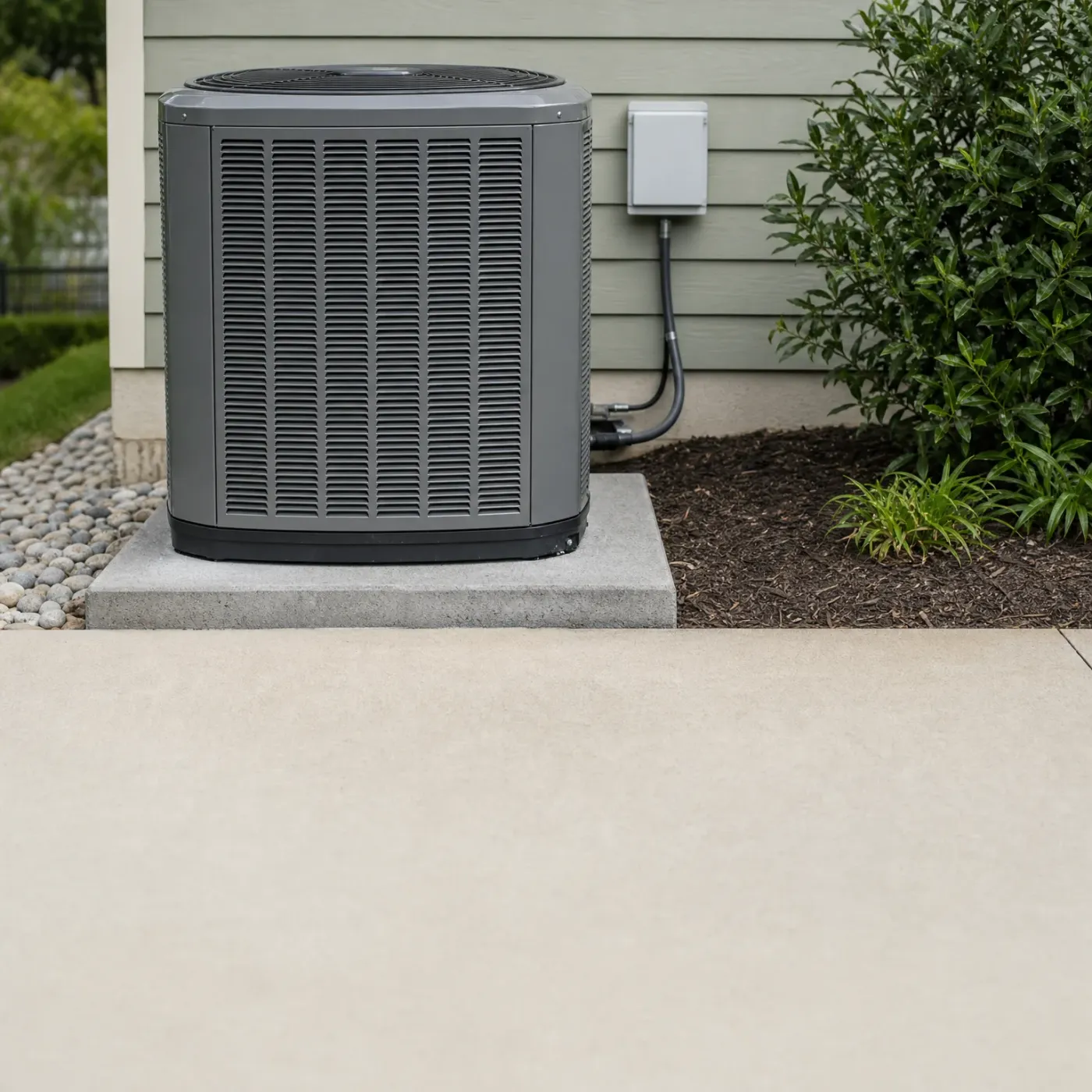
You've got a way to check your own system now. Age is the first marker. A unit in the 10 to 15 year range that's called for repair more than once is costing you more to patch than to replace. One under 10 years old with a single bad part is usually still worth fixing. After that, the physical signs matter as much as the age does. Rust working up the base of the outdoor unit, refrigerant lines sagging where they used to run straight, rooms that stay warm in July no matter where you set the thermostat. Any one of those on an older system tips the answer toward replacing it.
Where it's close, you don't have to guess. A contractor who services heat pumps in Alabama all year, through the summer humidity and the winter mornings when yours might be leaning on emergency heat, has seen your model fail this exact way before. They know whether that rust is cosmetic or whether it's sitting over a coil that's already going. That's the kind of call that's hard to make staring at the unit yourself.
Getting matched to one means you go through this once. You describe the rust, the rooms, the age of the unit to a single licensed contractor local to you, not to three or four companies taking turns on the phone. They already know what tends to fail on these systems here, so you're not starting from zero explaining the basics before you even get to your specific unit.





Your request stays with one local pro.
No fee to send it, and nothing to sign.