
Is a heat pump enough for winter in Birmingham, AL

Your new heat pump project goes to an installer who works in Jefferson County.

Get matched

Will a heat pump keep up with winter here in Birmingham?

You've got a heat pump, or you're thinking about one, and you want to know if it can actually handle a Jefferson County winter without leaving you cold on the coldest mornings. It's a fair question, since heat pumps have a reputation for struggling in the cold. Here, though, the winters themselves tell you most of what you need to know.

Yes, a heat pump keeps up with winter here

Winters in and around Birmingham are mild. A heat pump moves heat from the outside air into your house, and it does that efficiently right down into the 30s and 40s. Those are the temperatures you see most mornings from December through February. Jefferson County rarely sees hard freezes that last, and it almost never sees the single-digit cold that pushes a heat pump past its limit. On the handful of nights when it does get that cold, a properly sized system switches to backup heat strips to cover the gap. For most of the winter, though, the heat pump is doing the work on its own, and doing it well.

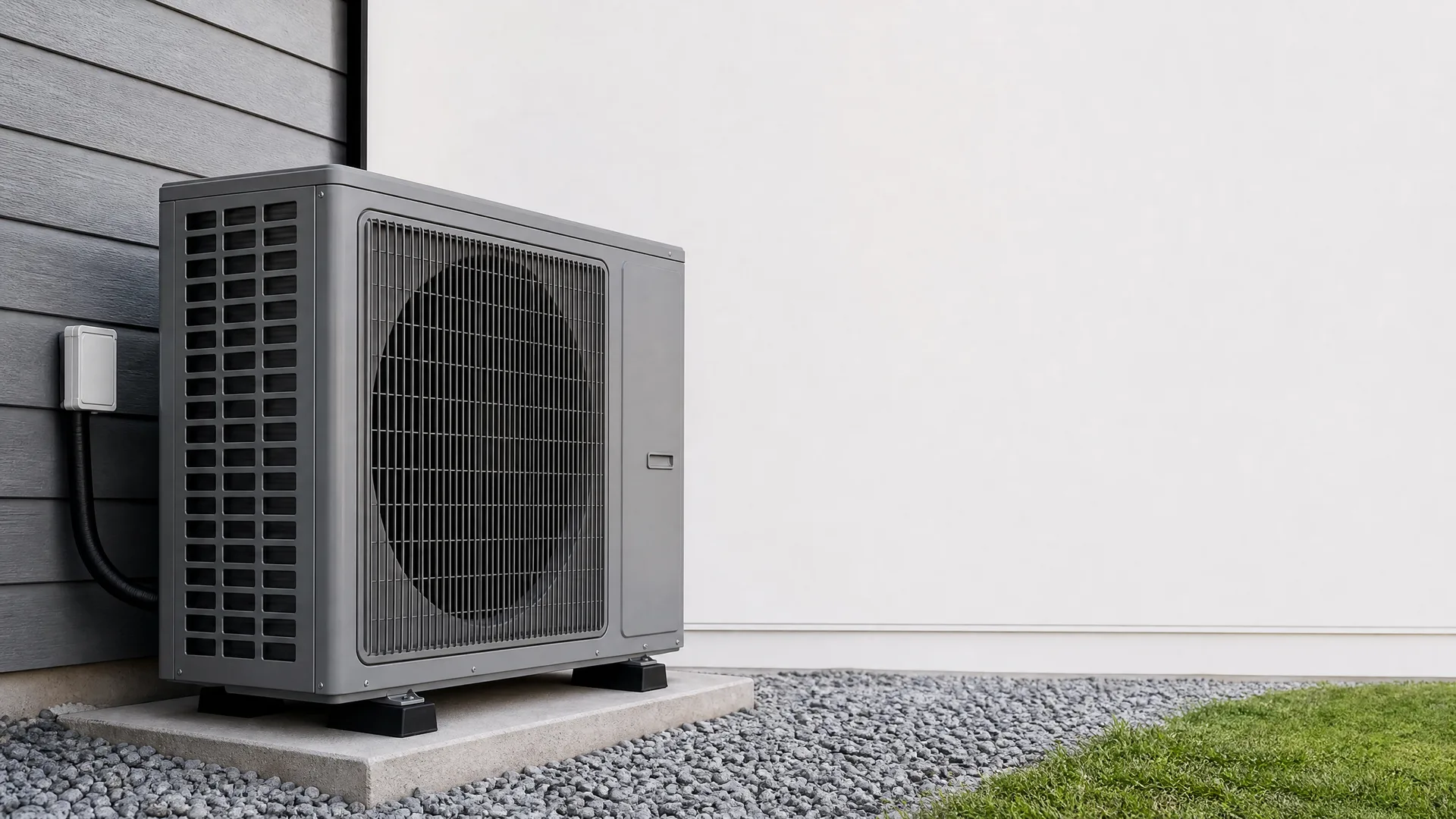
A gray outdoor heat pump unit on a concrete pad beside a house with dark horizontal siding and a plain white wall, surrounded by gray gravel next to a strip of grass.

Why the cold snaps matter most

A heat pump pulls heat from outside air, and the colder that air gets, the harder it works to do it. Jefferson County doesn't see long stretches of deep cold, but it does get nights in the 20s most winters. That's when a heat pump leans on its backup heat strip to keep the house warm, which is normal and built into the system, not a sign anything is wrong.

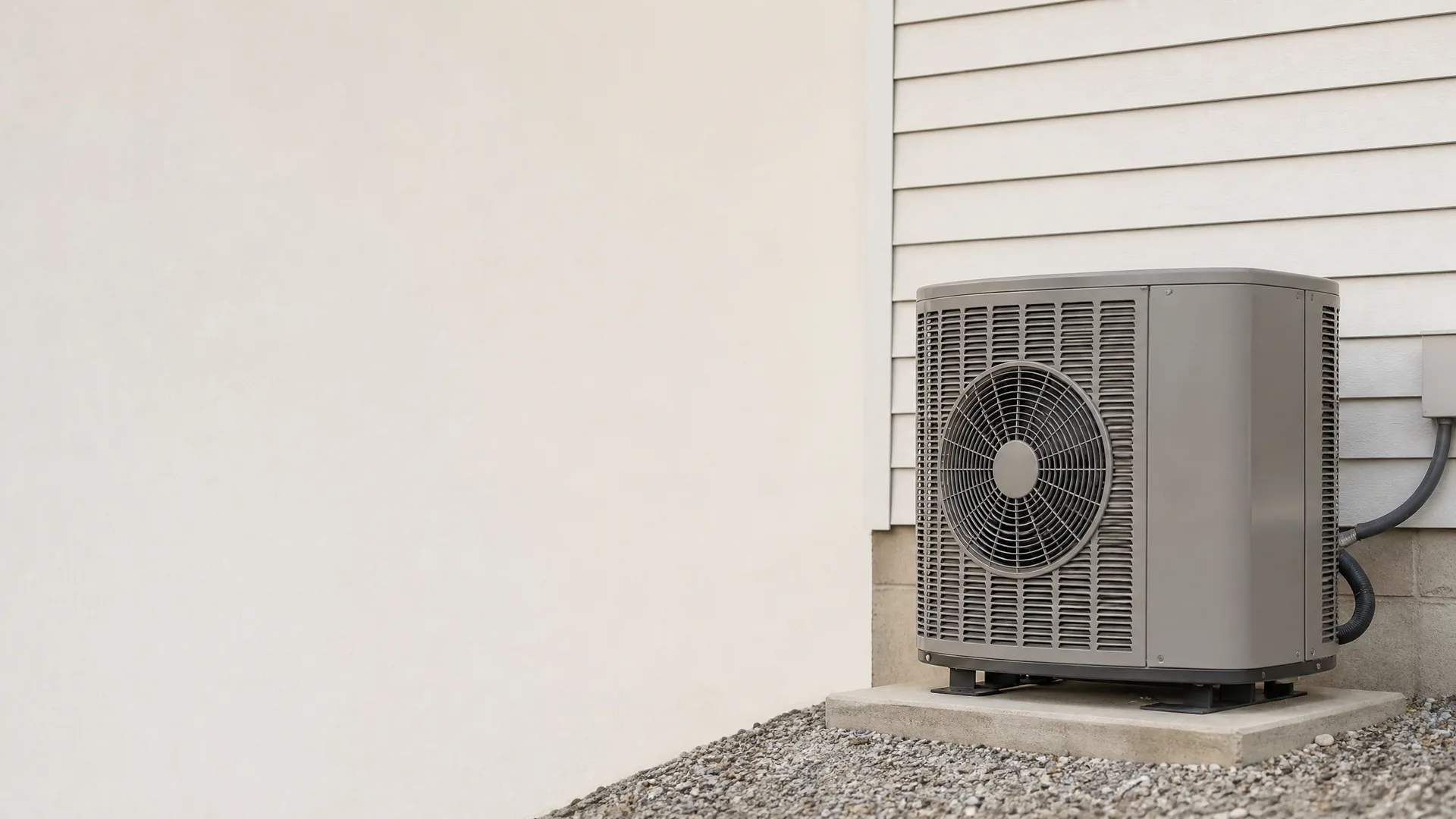
A gray outdoor heat pump unit on a concrete pad over gravel, beside a house with horizontal siding and an adjoining light stucco wall.

What sizing actually decides

A heat pump sized for your house and your ductwork keeps up fine through a Jefferson County winter. One sized too small for the square footage will run the backup strip more than it should, and that backup heat costs more to run than the compressor does. A contractor who works on these systems locally knows what capacity holds up on a January morning here and what doesn't.

So how cold does it actually get, and for how long?

  • Winter nights average 35°F

    A heat pump loses efficiency as the air gets colder, but 35°F is well within what one is built to handle on a normal night.

  • Heat runs November through March

    Five months of heat means a heat pump here spends most of the year sitting idle, not straining through a long, hard winter.

  • Cooling runs May through September

    The same equipment covers five months of cooling too, so you're buying a system that earns its keep nearly all year round.

NOAA nClimDiv 1991-2020

Running it on the heat pump alone

Most mornings here, a heat pump does the whole job by itself. It pulls heat from outside air all the way down into the 30s without much strain, and Jefferson County spends most of the winter in that range. On those days the system runs like it does in the shoulder seasons, cycling on and off, keeping the house even. The only time it struggles is on the handful of nights that drop into the 20s or lower, when the outside air has less heat to give and the unit has to run longer to move the same amount.


Letting backup heat take over

On the coldest nights, the system leans on a second heat source, usually electric resistance strips built into the air handler, to cover what the heat pump can't pull from the cold air fast enough. That backup kicks in on its own and isn't a sign anything's wrong. It costs more to run than the heat pump alone, because resistance heat doesn't move heat, it makes it. In Birmingham that only matters a few nights a season, not the whole winter.

An older man with gray hair and a beard, wearing a dark coat dusted with snow, stands smiling in a doorway of a warmly lit home with a sofa, lamp and window visible behind him.
An older man with grey hair and a beard, wearing a dark coat dusted with snow, stands in a dimly lit entryway with a ceiling lamp, a side table with two shaded lamps, and a lit fireplace visible in a room beyond.
A bearded older man in a dark snow-dusted coat and scarf stands just inside a home's front door, with a lamp-lit room and snowy window visible behind him.
An older man with gray hair and a beard stands in a doorway of a home, wearing a dark coat dusted with snow, with a lit fireplace and lamp visible in the blurred room behind him.
  1. The thermostat calls for heat and starts the compressor.

  2. The outdoor unit pulls heat out of the cold air.

  3. Refrigerant carries that heat inside to the coil.

  4. The indoor coil releases heat into air moving through the ducts.

A woman wrapped in a thick cream knit blanket sits in an armchair beside a lit table lamp, with an open book in the foreground and a frost-covered window behind her.
An older woman with short gray hair in a cream cable-knit turtleneck sweater smiles while looking to the side in a wooden kitchen, with a round loaf of bread on a board in the foreground and a lit candle by a dark window.
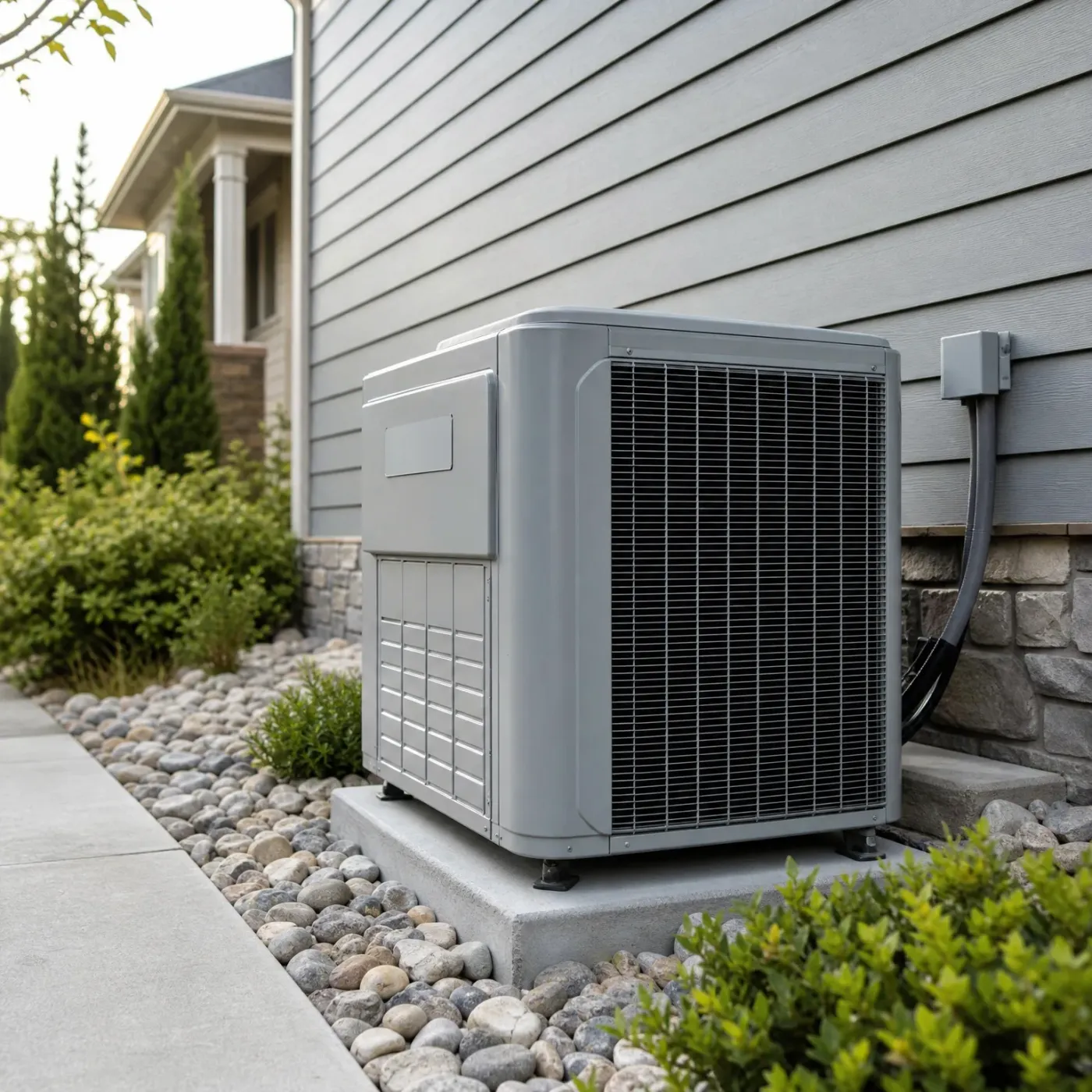
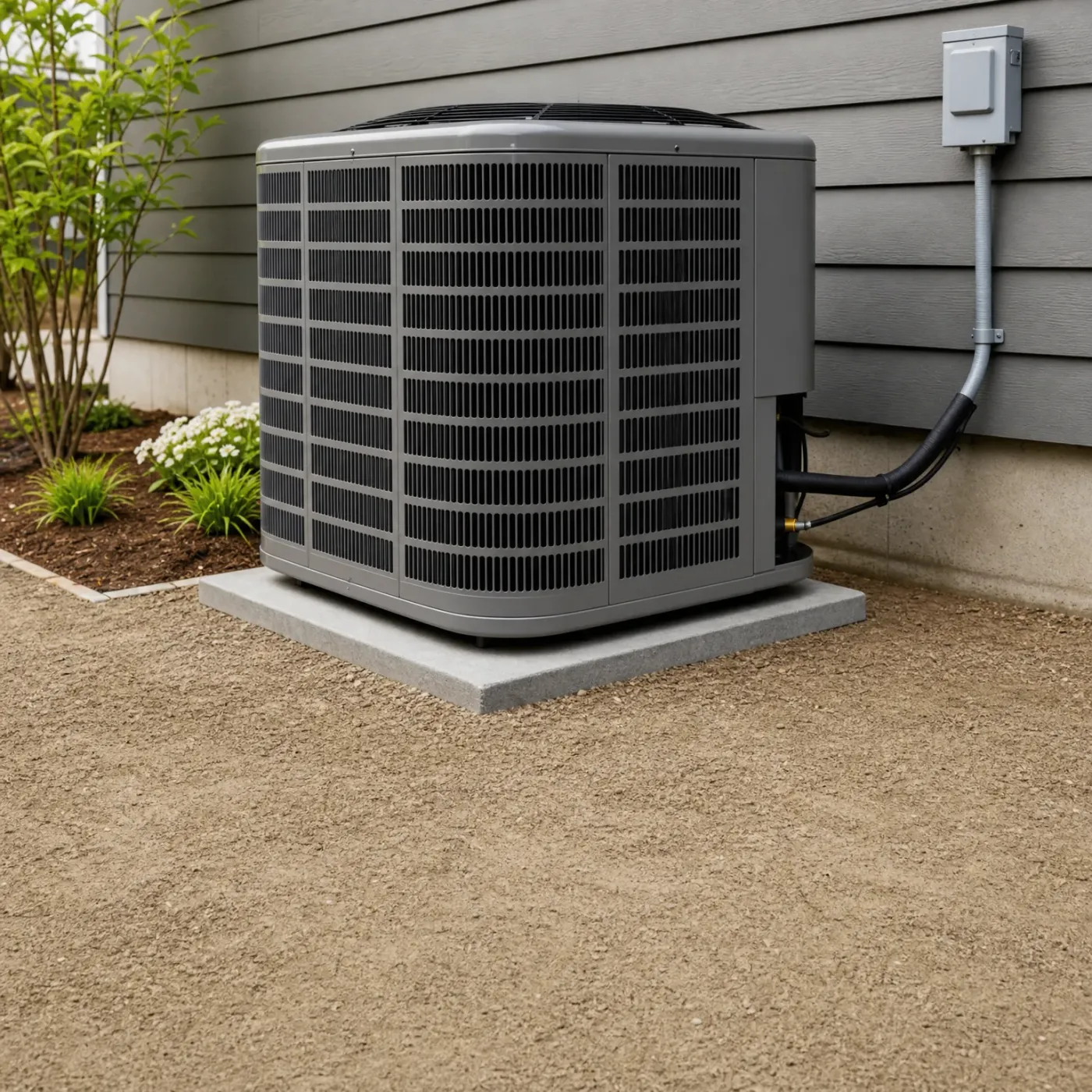
A gray outdoor heat pump unit on a concrete pad beside a house with light gray horizontal lap siding and a stone base, surrounded by river rock and shrubs next to a concrete walkway.

Get matched with a heat pump pro in Jefferson County

A licensed installer who works in Jefferson County gets your project.

Get matched with a pro who works on heat pumps in Jefferson County.

Get one local pro

There's no charge for the request.

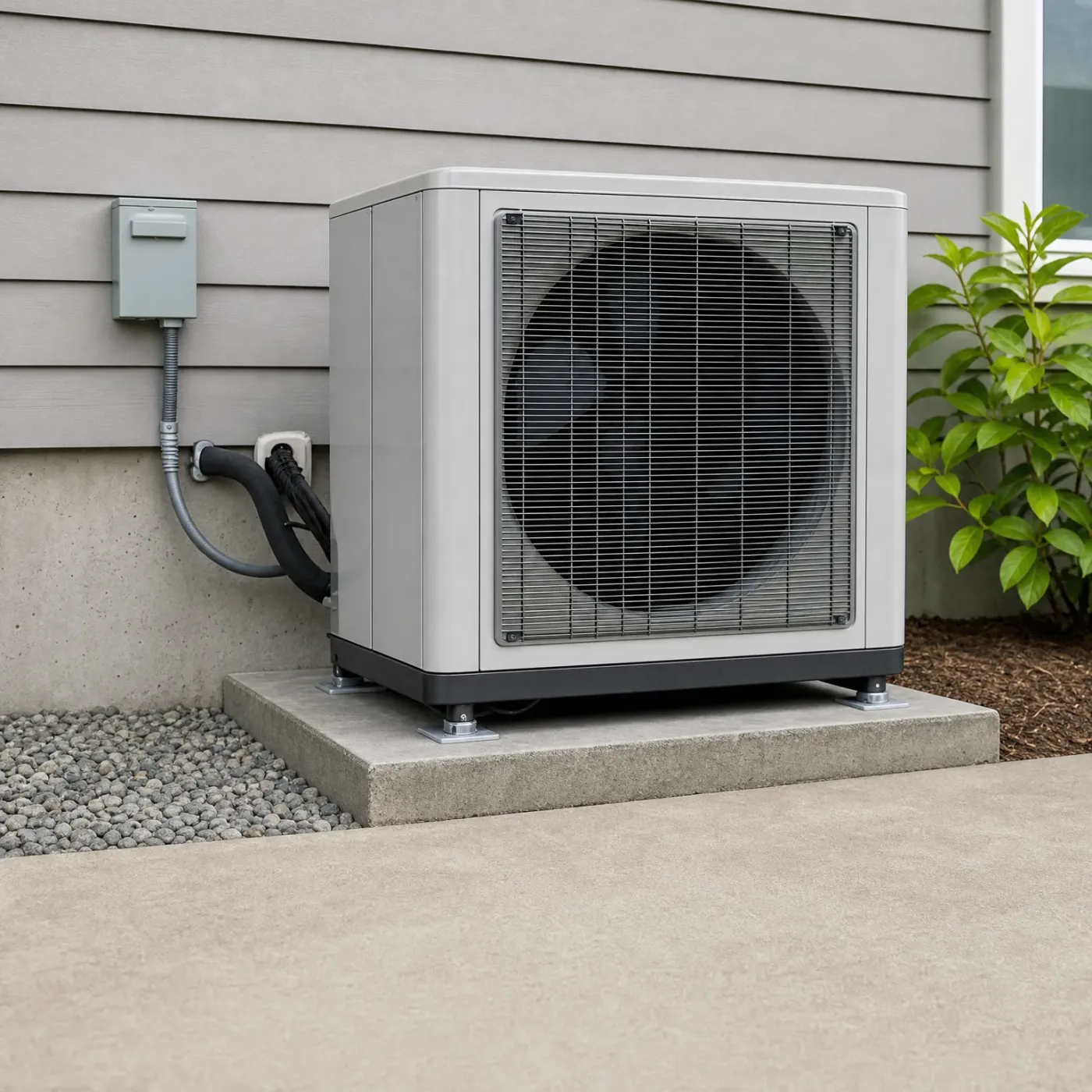
A light gray outdoor heat pump unit mounted on a concrete pad beside a house with horizontal lap siding, with refrigerant lines and conduit running to a wall-mounted electrical box, gravel and a leafy shrub nearby.
A heat pump sitting on a clean pad, lines and wiring intact, is doing exactly what it's built for on a cold morning.
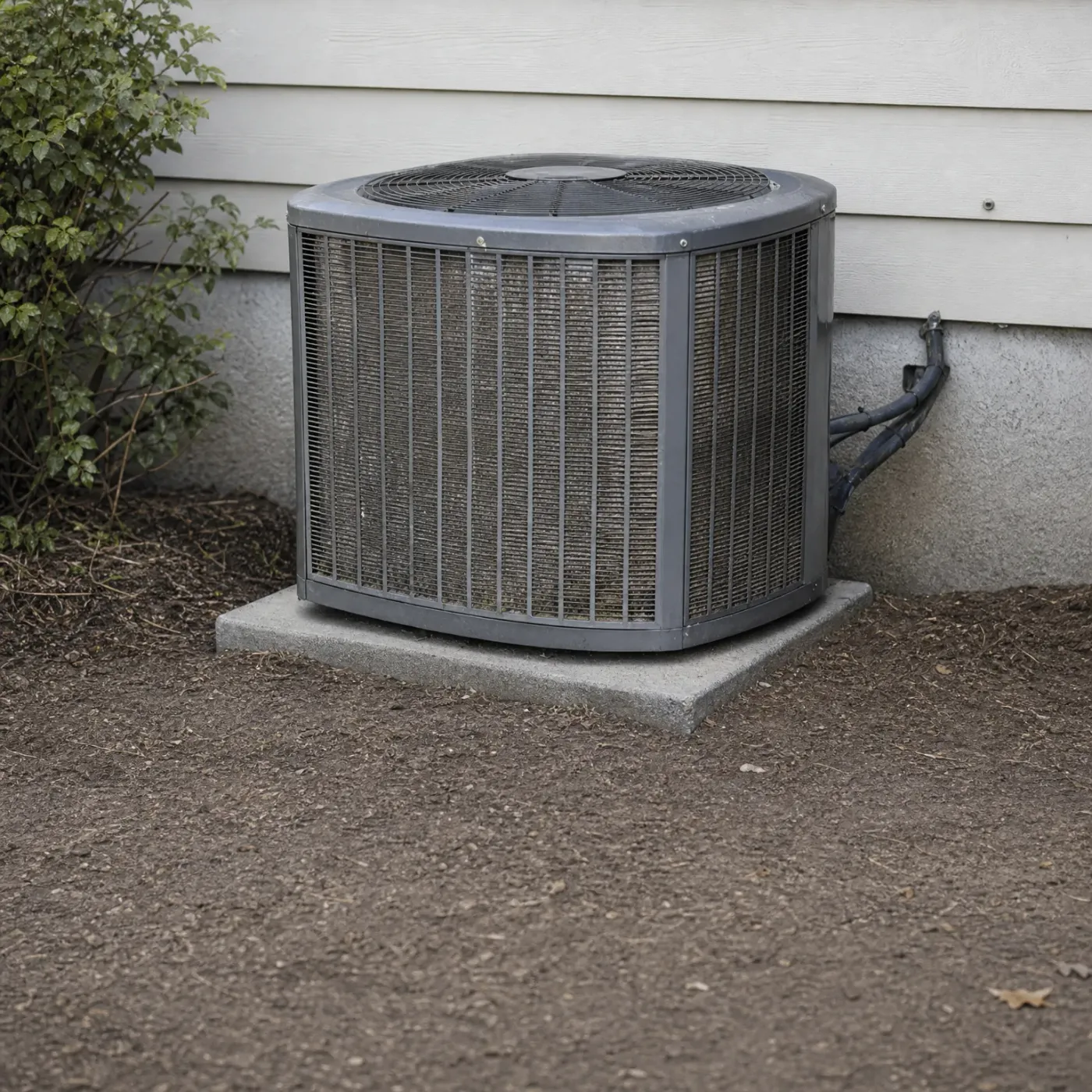
An outdoor air conditioner condenser unit on a concrete pad beside a house with horizontal lap siding, with refrigerant lines entering the wall and a shrub on bare soil to the left.
A coil packed with leaves and dirt can't pull heat from the air no matter how low the temperature drops.

A heat pump that's the right size for your house should run quietly in the background all winter, barely noticed. The trouble shows up when it's not, and the signs are easy to miss until the bill arrives. Backup heat strips are electric resistance heat, the same principle as a space heater, and they cost far more to run than the compressor does on its own. If yours are kicking on most mornings instead of rarely, something's off, whether that's the system's size, its installation, or a thermostat schedule that drops the temperature too far overnight. Setting back the thermostat to save money can backfire here, since catching the house up fast often means leaning on backup heat to do it. Outside, the unit needs clear air around it to pull heat from the cold the way it's designed to. Leaves, a tight fence line, or a season of dirt on the coil all cut into that on the mornings you need it most. None of this is about whether a heat pump works in Jefferson County. It's about whether yours is set up to.

What this means for your house

  • A heat pump that's sized and installed right rarely needs its backup heat strips on a January morning in the 30s.
  • If the backup strips run often, you'll notice it on the power bill, since they use far more electricity than the compressor alone.
  • A thermostat set back too far overnight can trigger the backup heat to catch up fast, which costs more than letting the heat pump work gradually.
  • An outdoor unit crowded by leaves, a fence, or dirt loses its ability to pull heat from the air exactly when you need it most.
  • A heat pump that's too small for your house will lean on backup heat constantly instead of occasionally, and you'll feel that in January's bill.
  • A properly matched system keeps the house even through the coldest nights Jefferson County sees, without the temperature swings that make a house feel cold.
An outdoor air conditioner condenser unit on a concrete pad beside a house with horizontal lap siding, with refrigerant lines and a gray electrical disconnect box on the wall, surrounded by bare dirt.
Before you get your heat pump installation
A gray outdoor condenser unit on a concrete pad beside a house with horizontal lap siding, with an electrical disconnect box and insulated refrigerant lines on the wall, gravel in the foreground and a planting bed at left.
After you get your heat pump installation
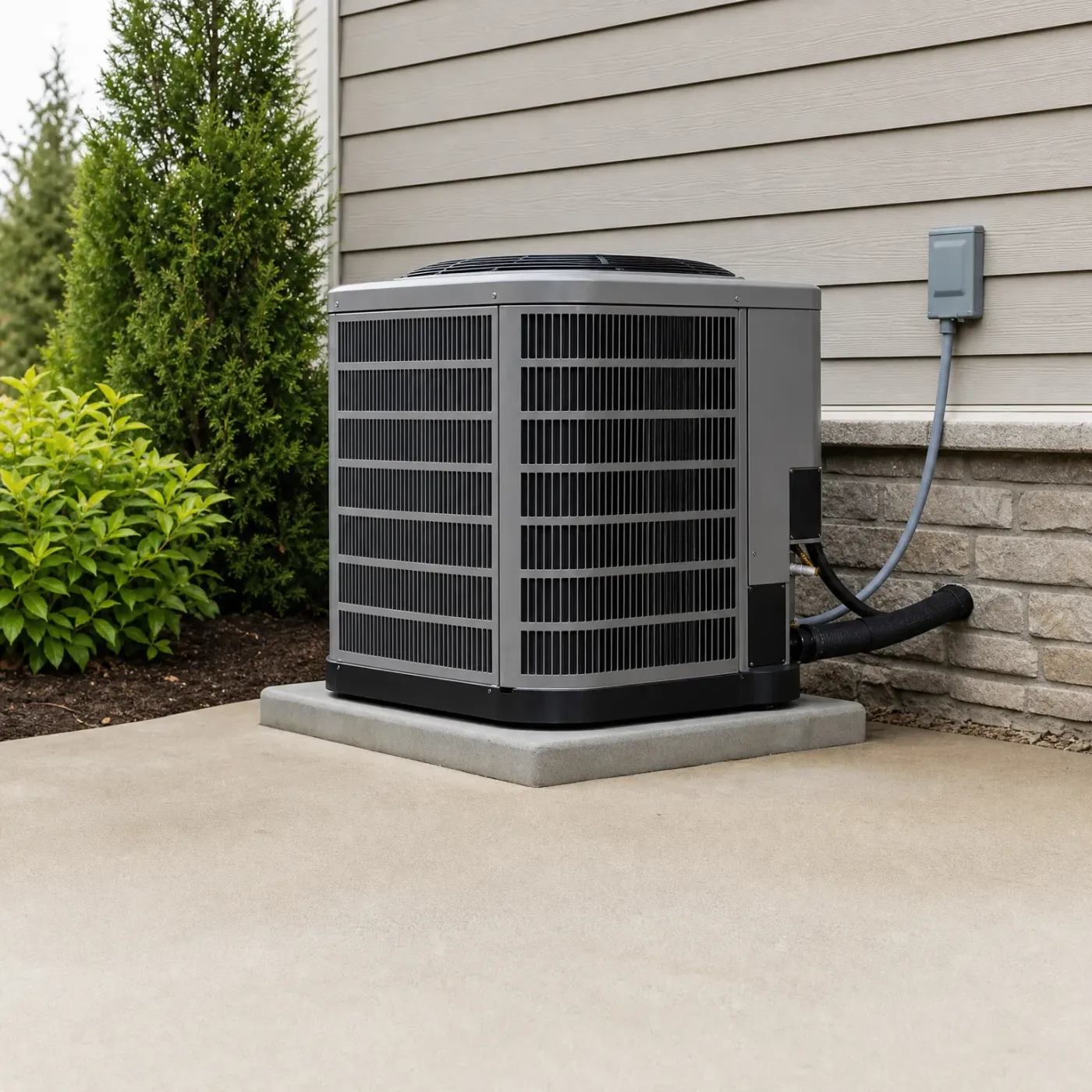
A gray outdoor air conditioner condenser unit on a concrete pad beside a house with horizontal lap siding and a stone veneer base, with a conduit running to a wall-mounted disconnect box and shrubs and evergreen trees to the left.

A unit that's keeping up

Clean lines, a clear disconnect, nothing blocking the fan grille. A heat pump set up like this moves heat in and out the way it's supposed to, and it'll hold its own through a Jefferson County winter without leaning hard on backup heat.

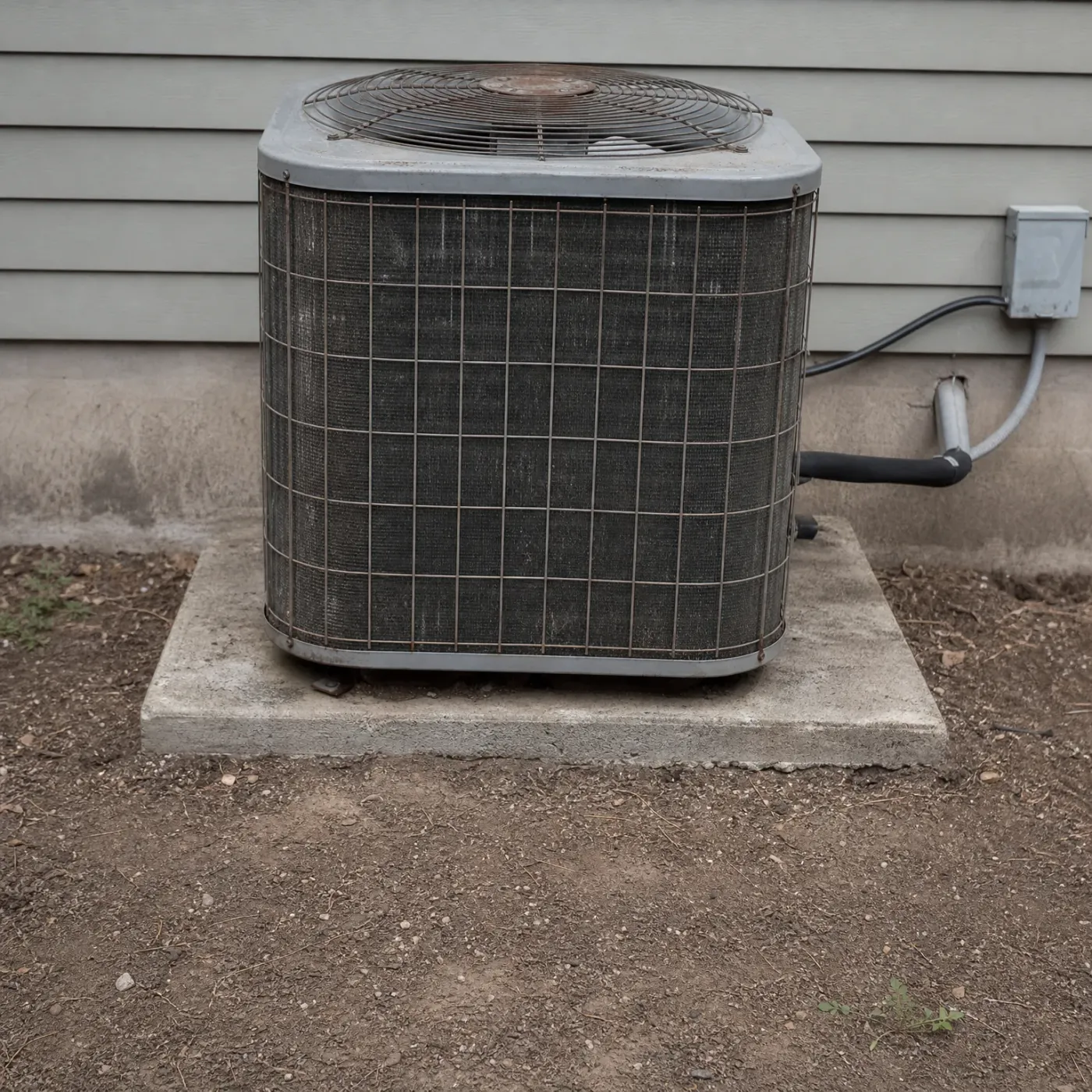
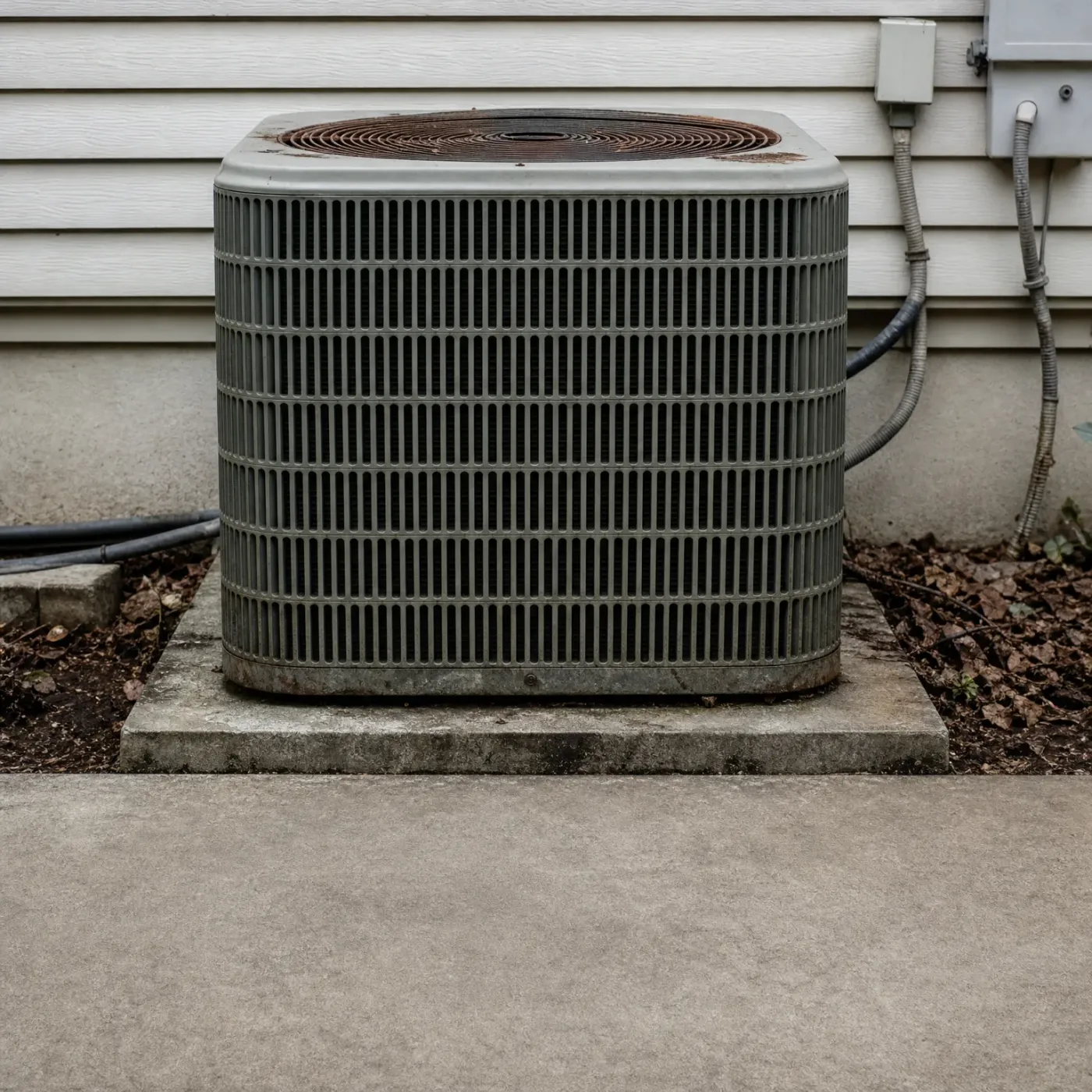
An outdoor air conditioner condenser unit with rust spots on its top grille sits on a concrete pad beside a house with light horizontal siding, with conduit lines and an electrical box on the wall and a mulch bed to the right.

A unit that's falling behind

Rust on the grille and dirt built up around the base aren't just cosmetic. A coil that's caked and a cabinet that's aged out won't pull heat from cold air as well, and on a 20-degree morning that's the difference between heat and a cold house.

A heat pump is enough for winter in Jefferson County. It handles the 30s and 40s that make up most of the season on its own, and it leans on backup heat strips only for the handful of mornings that drop into the 20s. What decides whether yours does that job well isn't the weather, it's whether the unit was sized and installed for your house, and whether the coil and refrigerant charge are kept in shape going into winter. A contractor who works on heat pumps in this area all season knows which parts tend to give out first here and what a install needs to hold up through a Jefferson County winter. When you request a match, you're connected with one licensed local contractor suited to your situation, not a handful of companies competing for the job. You've got the answer. What's left is making sure the equipment behind it is set up to deliver it.

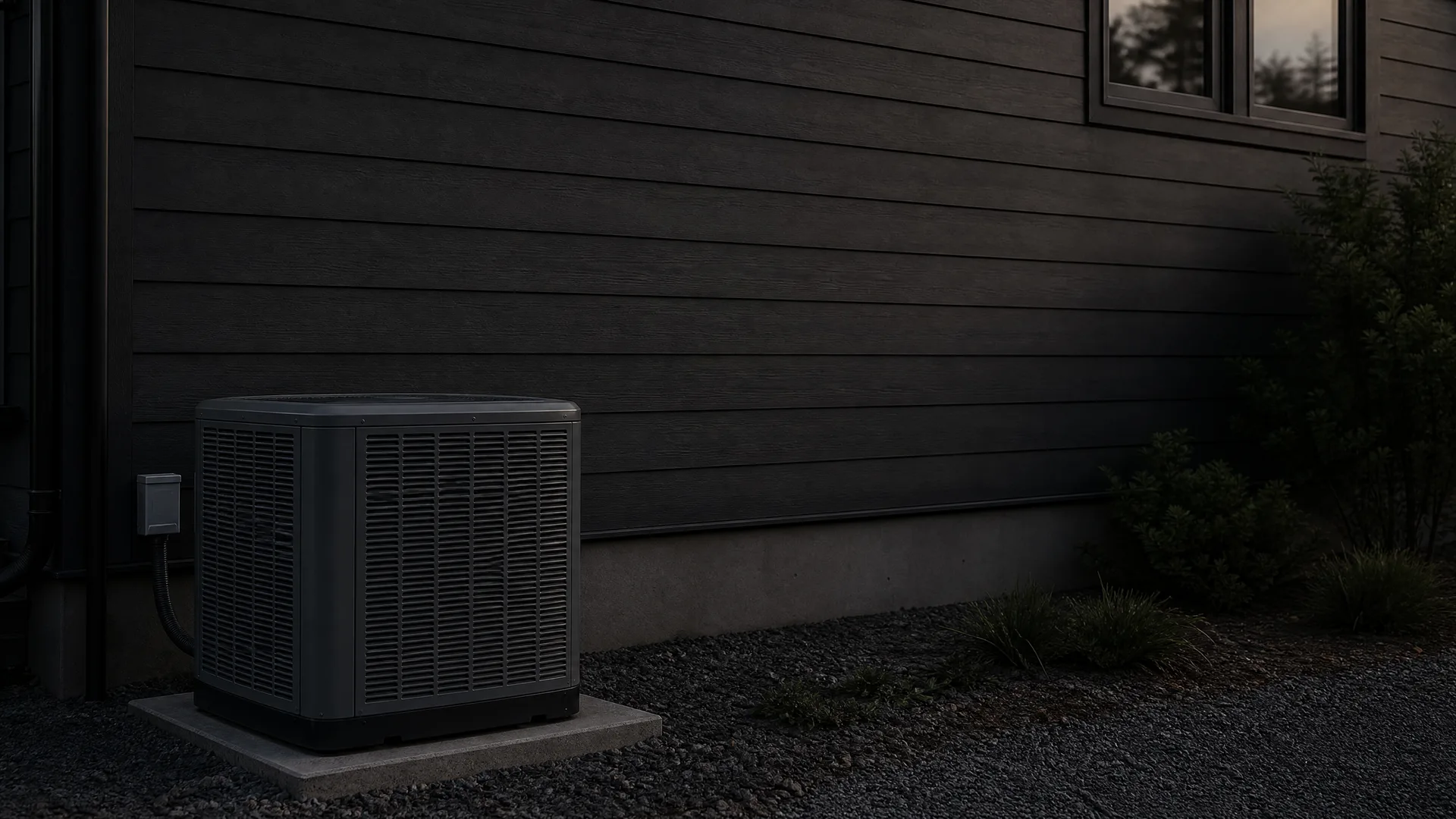
An outdoor condenser unit on a concrete pad beside a dark horizontal-lap-sided house, with gravel, shrubs and a small electrical disconnect box on the wall, in dim light.

Find a heat pump installation pro in Jefferson County

The pro who gets in touch is licensed in Alabama and works in Jefferson County.

Step 1 of 3: Equipment