



Profile view of a bearded man wearing a dark green baseball cap and a dark gray T-shirt against a plain light background.

Is a cold-climate heat pump worth it in Alabama

Step 1 of 3: Equipment

Is a cold climate heat pump worth it in Alabama

Alabama winters don't get brutal, but they do get cold enough for a heat pump to work hard on the coldest nights, and you've probably heard that cold-climate models are built for places with real winters. You're wondering if that upgrade makes sense here, or if it's built for a problem Alabama doesn't really have.

Usually not, but a good standard heat pump still matters more here than in most states

A cold-climate heat pump is built to keep producing heat down into single digits and below, which isn't what an Alabama winter asks of it. Nights here rarely stay that cold for long. A standard heat pump already covers the range you'll actually see. What matters more where you live is that most homes heat with electricity and power costs are high, so the efficiency of the unit you install affects your bill every month, not just on the coldest nights. Putting money into cold-climate capacity you won't use makes less sense than putting it into a unit sized and matched right for your house, so the people inside stay warm without the bill climbing every time it drops below freezing.

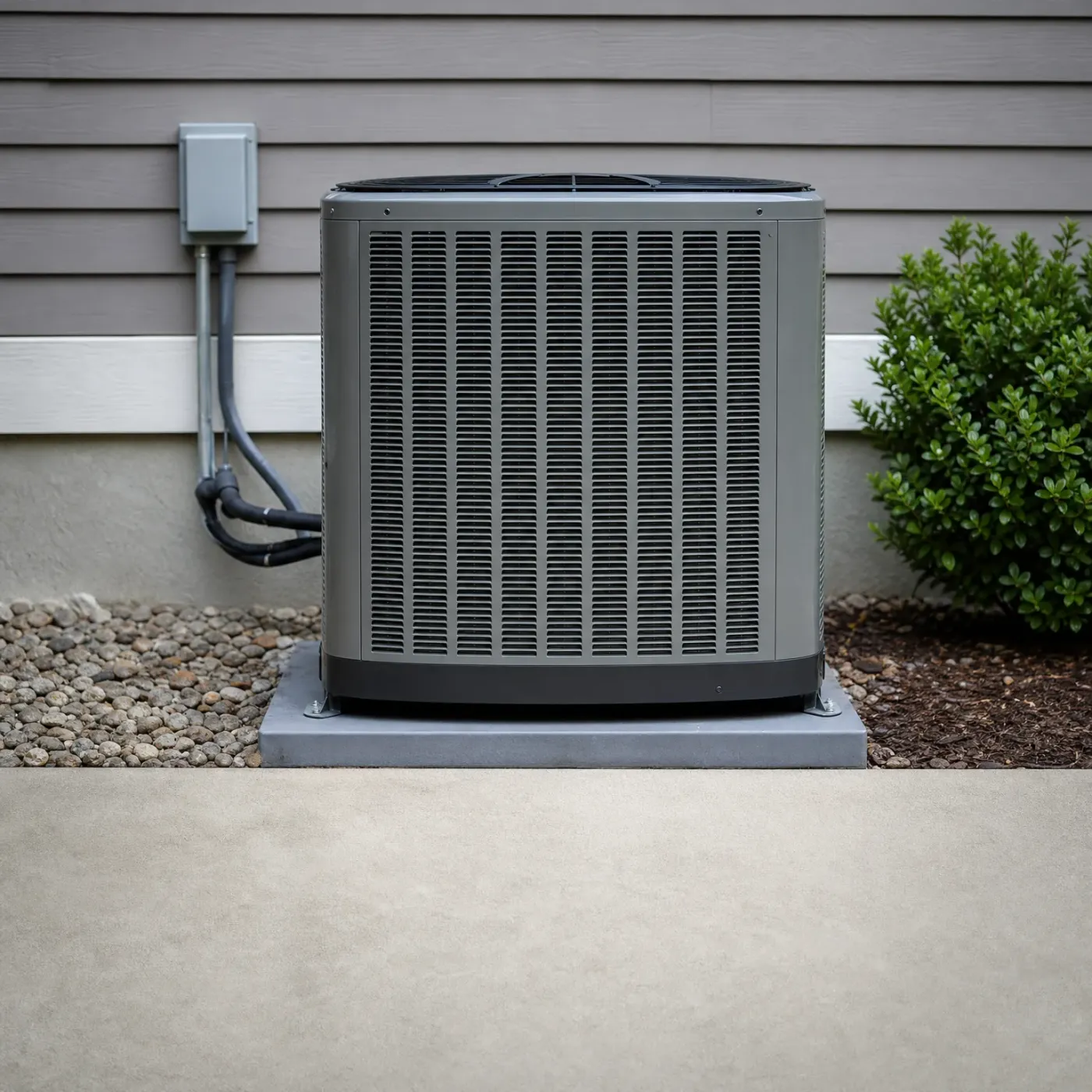
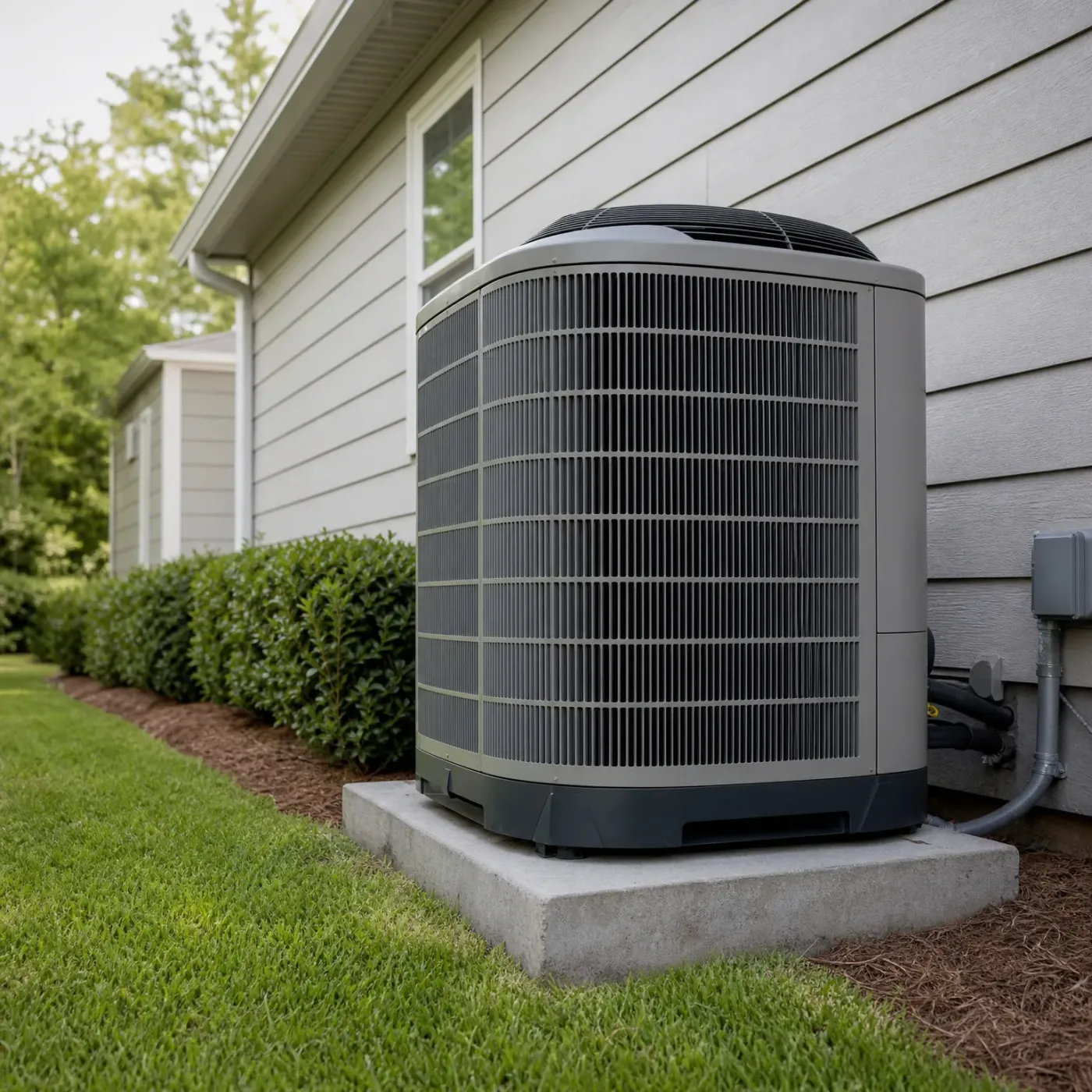
A gray outdoor condenser unit on a concrete pad beside a house with horizontal lap siding, with a metal disconnect box and refrigerant lines on the wall, river rock and mulch to the sides, and a green shrub at right.
A standard heat pump that's sized right and well maintained keeps up fine on most Alabama nights, cold snaps included.
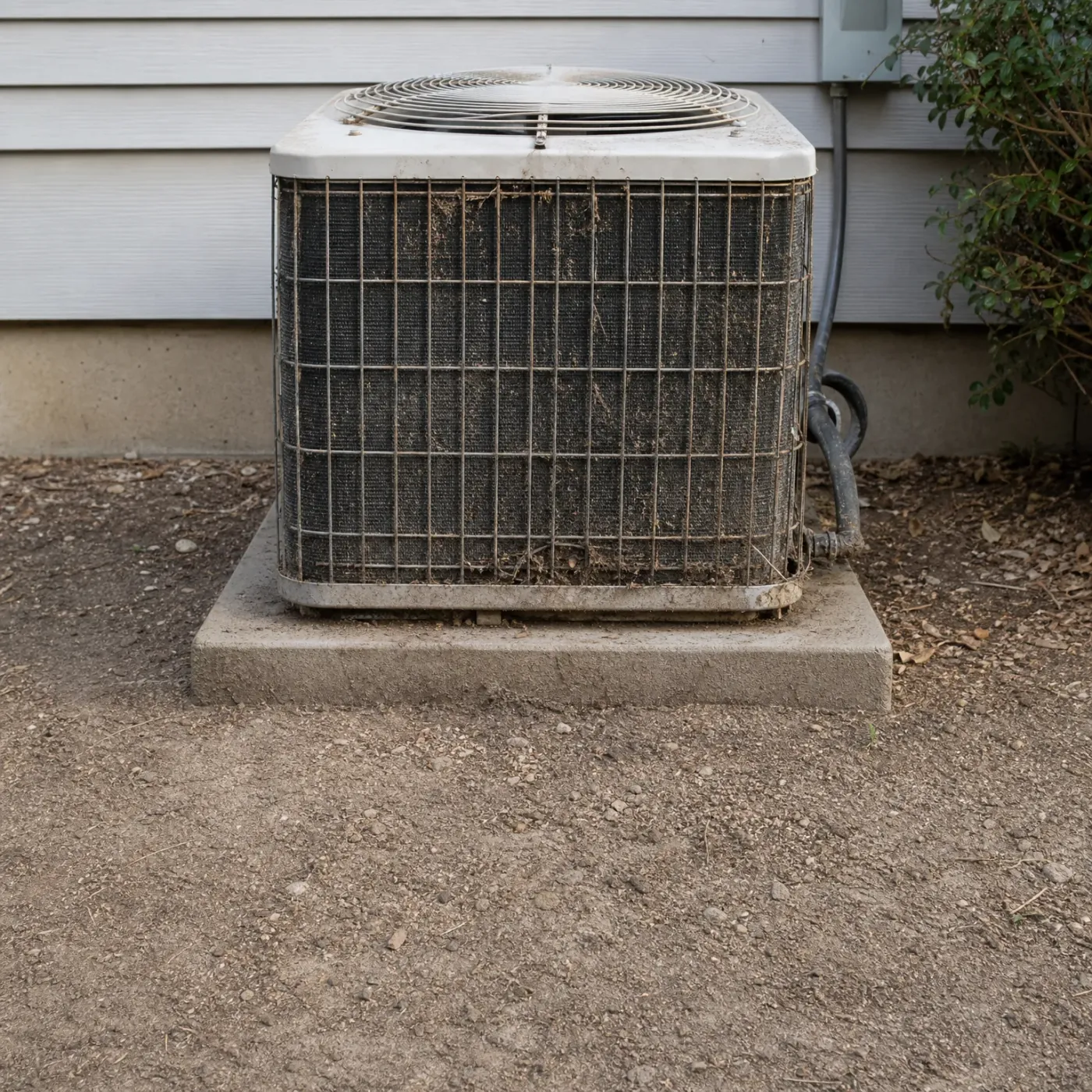
A dirty outdoor air conditioner condenser unit with debris on its coil grille, sitting on a concrete pad beside a light-colored horizontal siding wall, with bare dirt ground in front and a shrub at right.
A standard heat pump that's fallen behind on maintenance is the one that struggles when the temperature drops and stays down.

How backup heat strips work

  • A standard heat pump pulls heat from outside air down to around freezing with no trouble.
  • Below that, the compressor has to work harder and run longer to pull the same heat out of colder air.
  • Every heat pump also has a lower temperature where it can't keep up alone, and backup heat takes over.
  • In most standard systems that backup is a set of electric resistance heat strips wired into the air handler.
  • A cold-climate compressor is built to keep pulling heat efficiently well below freezing, so it leans on those strips less.
  • Alabama rarely sees nights cold enough for that difference to matter much against what a standard compressor already handles.

Every heat pump moves heat from the air outside into your house, even when it's cold out there. Down around freezing, a standard compressor does this without strain. Push the temperature lower and the compressor has to run longer and work harder to pull the same warmth out of thinner, colder air. At some point it can't keep up on its own, and that's when backup heat kicks in. In most systems that backup is a bank of electric resistance heat strips sitting in the air handler, the same kind of heating element you'd find in a space heater, just wired to run alongside the compressor. Those strips are quick and reliable, but they heat by brute force, drawing a lot of power to make up the difference. A cold-climate compressor is built differently. It keeps pulling heat efficiently at much lower outdoor temperatures, so it leans on those strips less often and for less time when it does. That matters in a place where winter nights regularly sit in the teens or lower. Alabama winters rarely ask that much of a system. The nights cold enough to push a standard compressor into heavy backup use are uncommon here, which is why the gap between a standard and cold-climate unit shows up less on your bill than it would somewhere with a longer, harder winter.

A woman with dark hair in a bun wearing a cream knit sweater sits on a gray sofa in a bright living room, looking off to the side.
A woman wrapped in a knit blanket sits on a gray sofa in a living room, looking toward a bright window with houseplants and an armchair in the background.
A woman in a gray cowl-neck sweater sits on a light sofa with cushions, smiling and looking to the side, with a kitchen and window visible behind her.
A woman with dark hair in a bun, wearing a light linen shirt, sits on a sofa and looks to the side, with a window, houseplants and a kitchen with pendant lights blurred behind her.
An outdoor condenser unit on a concrete pad beside a light-colored lap-sided house, with a trimmed hedge, mulch bed and mowed lawn nearby and an electrical box and conduit on the wall.

The right pro for this job

Send the request and finding a pro stops being your problem.

Get in touch with a local installer about a new heat pump.

Get a local pro

No fee to send it, and nothing to sign.

Standard vs. Cold-Climate in Alabama

Standard heat pump

  • Costs less to install than a cold-climate model, and in Alabama you're not paying for capacity you rarely need.
  • Handles the occasional night in the teens or single digits fine, as long as it's sized right for your home.
  • Backup heat strips or a furnace cover the few hours a year when outdoor air gets too cold for the compressor to keep up.
  • Parts and service are easier to find locally, since most contractors here install and repair standard units every day.
  • Spends most of the year, including the muggy summer months, doing the job it's built for without strain.

Cold-climate heat pump

  • Keeps pulling heat efficiently at outdoor temperatures well below what Alabama winters usually produce.
  • Costs more upfront, and that extra capacity goes largely unused where hard freezes are rare.
  • Makes more sense in places where the compressor would otherwise lean on backup heat for weeks at a time.
  • Still cools a home in summer, but so does a standard unit, so that's not where the difference shows up.
  • Buys you a lower cutoff temperature you're unlikely to ever test against Alabama's coldest nights.
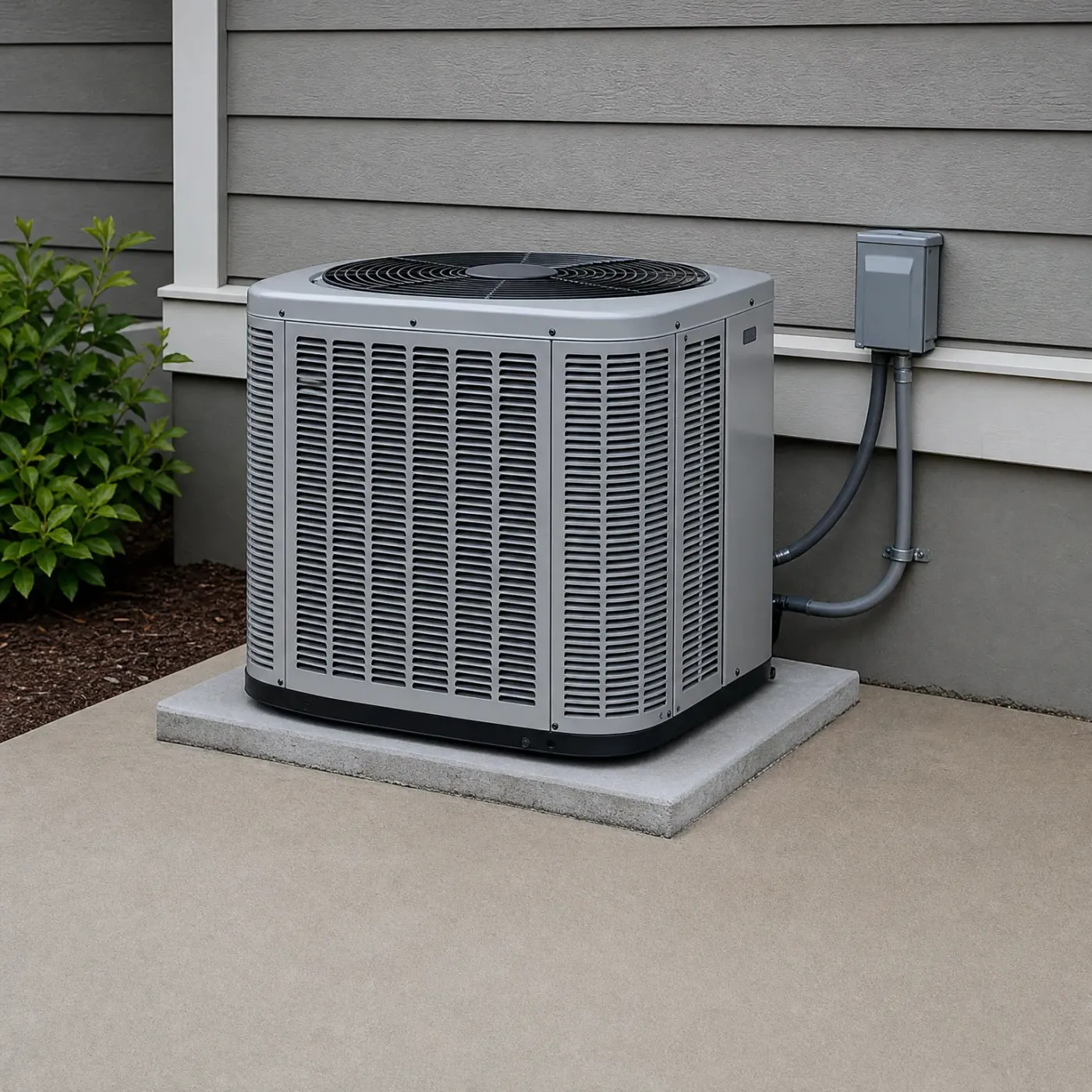
A gray outdoor condenser unit on a concrete pad beside a house with gray lap siding, connected by conduit and refrigerant lines to a wall-mounted disconnect box, with a green shrub and mulch bed at left.

A heat pump keeping up

A clean outdoor unit with good airflow around it can pull heat out of the cold air without strain. The conduit and disconnect are intact, nothing is blocked, and on a cold Alabama night this one keeps the house warm without running nonstop.
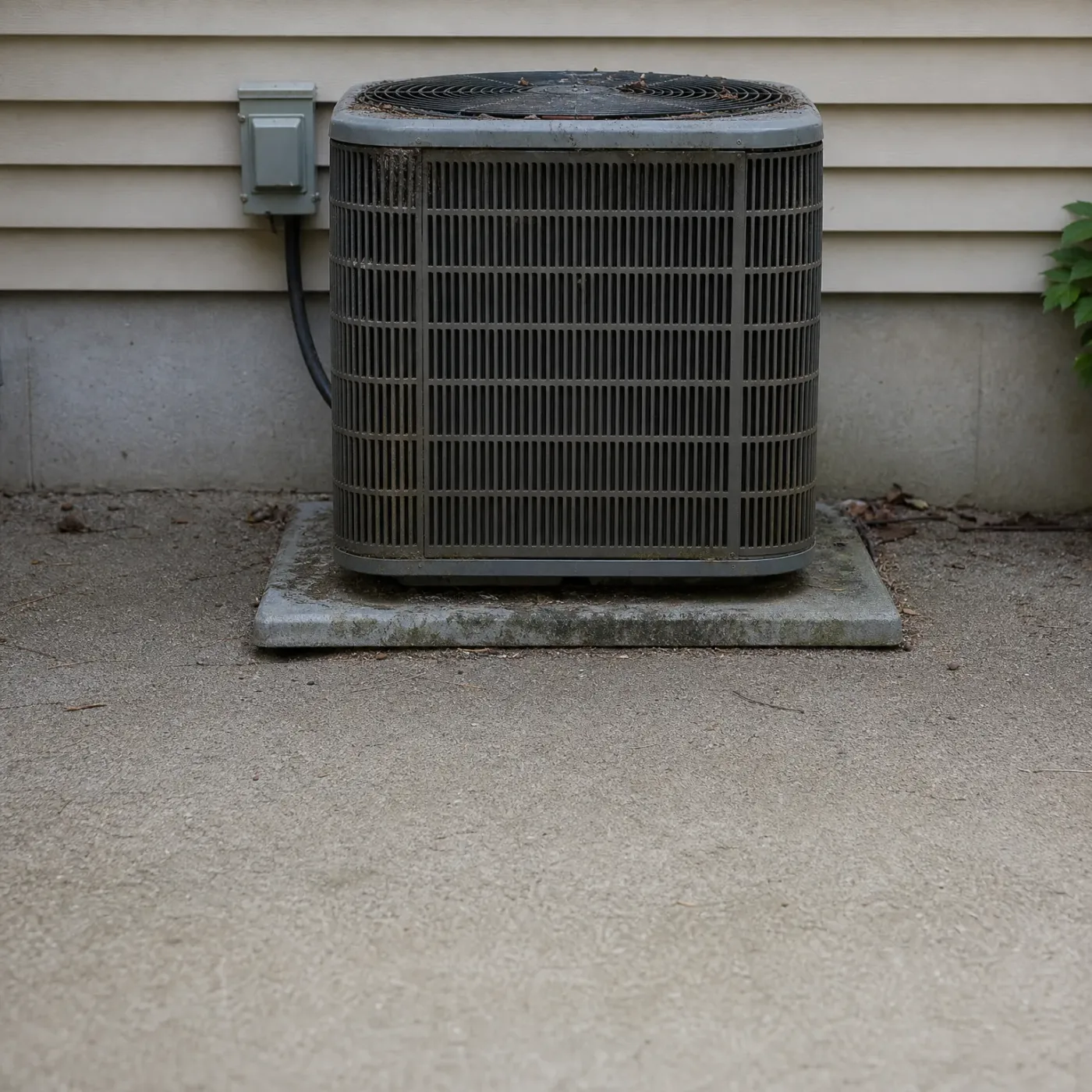

An outdoor air conditioning or heat pump condenser unit on a concrete pad beside a house with horizontal vinyl siding, a gray electrical disconnect box and conduit on the wall, and a concrete walkway in the foreground.

A heat pump falling behind

Dirt built up on the coil and a unit that's aged without upkeep won't move heat the way it should. On a cold night this is the one that runs long, struggles to keep the house at temperature, and leans hard on backup heat to make up the difference.

Why does your heat pump struggle on the coldest nights

You'll notice it when a cold front comes through: the air coming out of the vents feels cooler than usual, the system runs almost nonstop, and the thermostat shows a few degrees less than what you set it to. You might hear the outdoor unit running longer than normal, or notice backup heat kicking on more often, which shows up on your bill since most homes here heat with electricity and power costs add up fast. If the outdoor coil has ice building up that doesn't clear on its own, or the unit is dirty and surrounded by leaves or debris, it has to work harder to pull heat out of the air. Left alone through enough cold nights, that strain is what leads to a breakdown on the night you need heat most.

An older woman with gray hair in a bun and glasses, wearing a beige knit sweater, smiles while looking to the side in a warmly lit kitchen, with a loaf of bread on the counter in the foreground and a snowy scene outside the window.
A woman and a child wrapped together in a knitted gray blanket on a couch, with the child's head resting on her shoulder and a lit table lamp and houseplant in the background.

What a cold snap actually costs

Electricity here isn't cheap, and backup heat is what a standard heat pump leans on during the handful of nights each winter when the outdoor air gets into the teens or lower. That backup runs on electric resistance heat, which pulls a lot more power than the compressor does on its own. A cold-climate model keeps the compressor doing most of the work at those low temperatures instead of handing off to backup heat as quickly, so less of your heating comes from the expensive part of the system on the coldest nights.

What most Alabama winters ask of it

Most nights here don't come close to the temperature where a standard heat pump starts losing ground. The compressor pulls heat out of outdoor air without much strain down into the 30s and low 20s, and that covers the bulk of a typical Alabama winter. A cold-climate unit is built to keep working efficiently well below zero, which matters in places where that kind of cold sticks around for weeks. Here, those nights are rare enough that the extra capacity sits mostly unused.

Power costs 16.09 cents per kilowatt-hour statewide

Since most homes here heat with electricity, that 16.09 cents a kilowatt-hour shows up fast on your bill when backup heat kicks in. A heat pump that's sized right and keeps up on its own, without leaning on backup strips, is what keeps that rate from costing you more than it has to.

EIA-861 2025 statewide residential average

A cold-climate heat pump isn't what most homes in Alabama need. A standard heat pump, sized correctly and kept up, handles the cold snaps this state gets without falling behind, and it costs less to install. Where you lose ground isn't the equipment category, it's a unit that's undersized, low on refrigerant, or blocked up outside, because that's what forces backup heat to carry the load at 16.09 cents a kilowatt-hour. If your system keeps up fine most nights and only strains on the coldest ones, the fix is making sure it's sized and maintained right, not swapping it for a cold-climate model. A contractor who looks at your home, your current unit, and how it's been running can tell you which one you're dealing with. Once you send the form, you're done hunting for someone to call. The next step is a contractor reaching out to you, matched to what your home actually needs.

Sunlight falls across a beige upholstered sofa with a textured woven cushion and a chunky knit throw, beside a dark wood cabinet holding a ceramic vase with green leafy branches, near a white-framed window.
A sunlit corner of a room with a wooden side table holding a ceramic vase of green foliage and a wooden bowl, beside a light upholstered sofa with a knit throw and rust-colored pillow, with window shadows cast on a beige wall.
A sunlit room corner with beige walls, a white-framed window with sheer cream curtain, wood floor with a light rug, and a woven basket holding a knit blanket.
A beige ceramic vase holding a leafy green branch sits on a wooden cabinet in a corner, with sunlight through a sheer curtain casting leaf shadows on the wall.
A grey upholstered sofa with a rust-orange velvet cushion and a textured throw sits beside a window with linen curtains, next to a wooden side table holding a pale ceramic vase of olive branches.

Matched to your heat pump job

After this form, you can stop searching for a heat pump pro.

Match me with a pro

Sending the form costs nothing.