Profile view of a bearded man wearing a dark baseball cap and a dark gray T-shirt against a plain off-white background.

How long a heat pump lasts in Tuscaloosa, AL

Step 1 of 3: Equipment

A heat pump in Tuscaloosa typically runs 12 to 15 years. It works harder here than it would somewhere with a real winter, because it's the only system doing both jobs, cooling the house from April through October and heating it the rest of the year, with barely a break between. That steady use adds up faster than people expect. Most homes in the area heat with electric heat pumps rather than gas furnaces, so when this one starts struggling, there isn't a backup system quietly picking up the slack. If yours is past the 10 year mark and you're noticing higher bills, uneven temperatures, or it running longer than it used to, that's usually the system telling you it's nearing the end rather than a one-time problem. Knowing where your unit stands on that timeline tells you whether you're looking at another repair or a replacement.

What does Tuscaloosa's weather ask of your heat pump?

  • Winter nights average 36°F

    Winter nights here only drop to about 36°F on average. Your heat pump doesn't have to fight hard freezes, so it isn't straining the way one would further north.

  • Heat runs November through March

    Five months of heating is a long stretch for a system that's also carrying the full cooling load the other half of the year. There's no furnace splitting the work.

  • Cooling runs May through September

    Five months of cooling means the compressor is running hard for most of the warm season. That side of the job wears on the system as much as winter does.

NOAA nClimDiv 1991-2020

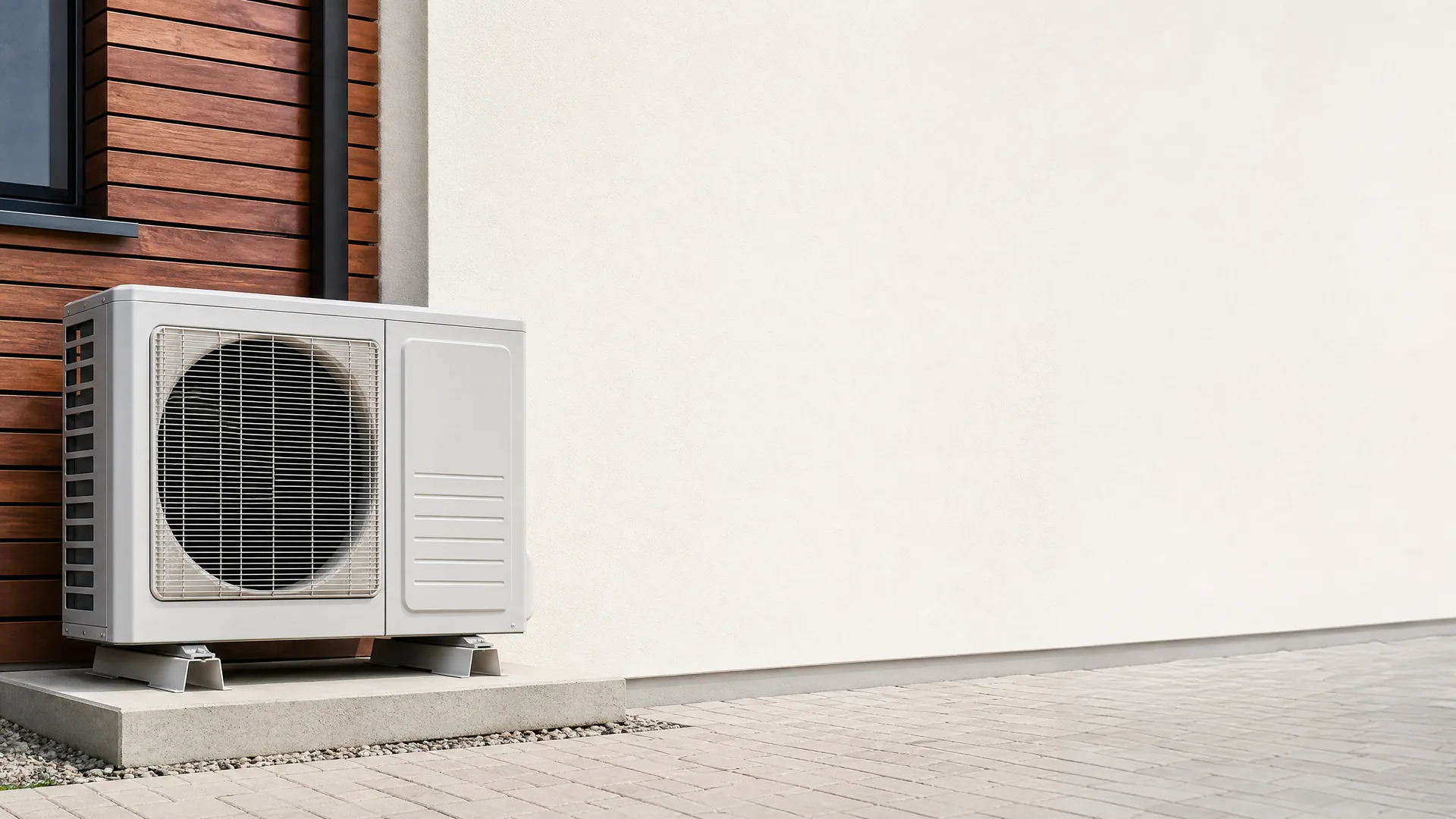
A white outdoor heat pump unit on a concrete pad beside a house with wood-slat siding and a large plain light-colored stucco wall, with paving stones in the foreground.

Run it until it quits

Some homeowners keep a heat pump going until it can't keep up anymore, patching a capacitor or a contactor as those wear out. In Tuscaloosa, that approach costs more in summer than in a milder system climate, because a heat pump nursed past its prime loses efficiency fast in the kind of long, humid cooling season the county gets, and the power bill shows it well before the unit fails outright.

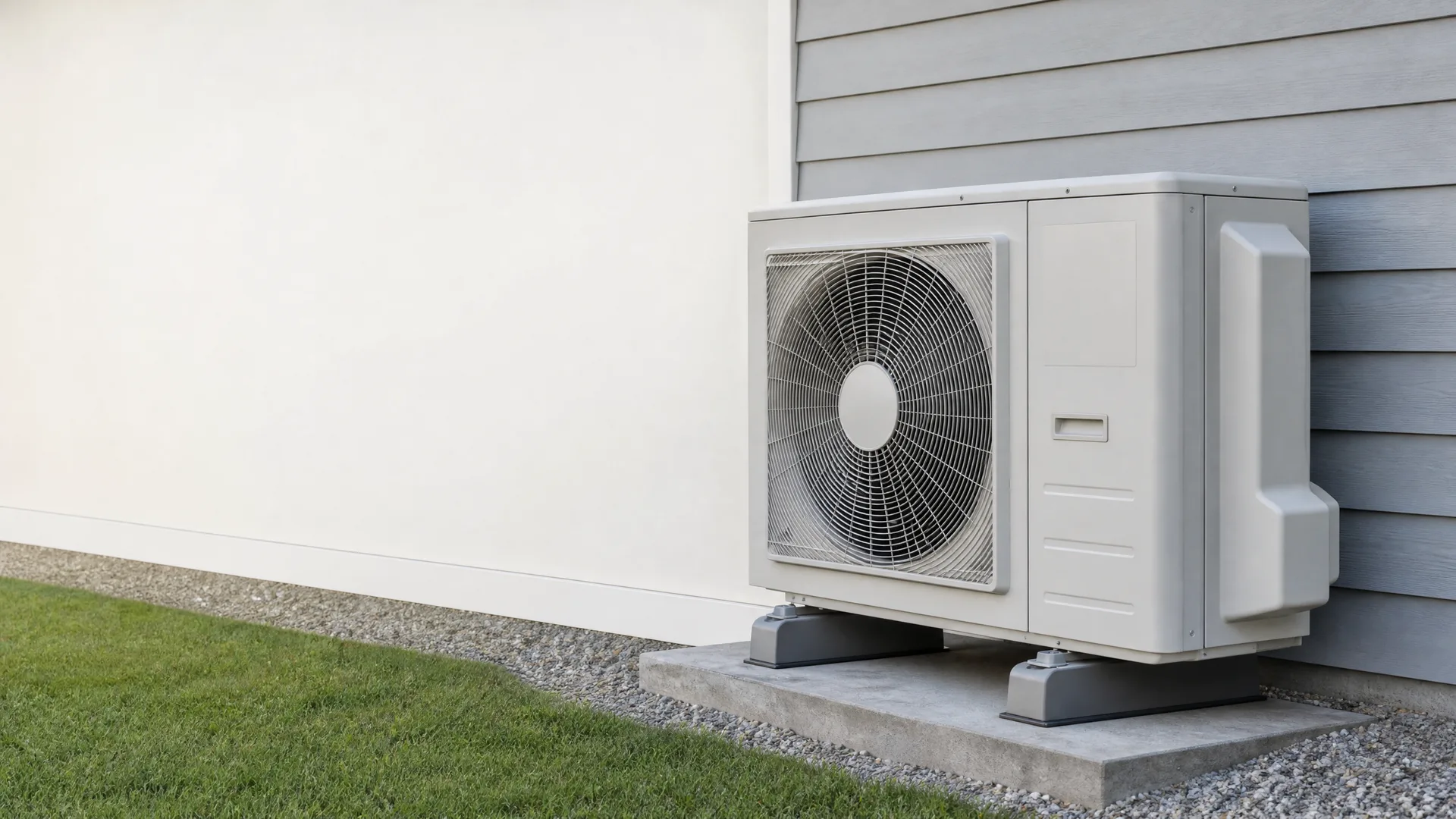
A white outdoor heat pump unit on rubber feet sits on a concrete pad beside a gray-sided house wall, next to a smooth light wall, gravel strip and lawn.

Replace on a schedule

Other homeowners replace at 12 to 15 years regardless of how the unit is running, treating it like the long haul it is here, carrying the house through both summer and winter. A heat pump nearing that age is also the one most likely to be using an older refrigerant, which can make a repair harder to source parts for and tilts the decision further toward replacing instead of fixing.

Is your heat pump telling you it's near the end?

You might notice the air coming out of the vents feels cooler than it used to, or barely warm on a January morning. The outdoor unit might run long after the house feels comfortable, or kick on and off more than it did a couple summers ago. Some homeowners hear a rattle or a hum from the outdoor unit that wasn't there before. The power bill creeping up for no reason you can name is often the first sign, since a heat pump losing efficiency uses more electricity to do the same job. Left alone, a struggling system can fail outright during the stretch in July or August when you need it most, or during one of the cold snaps in January.

A smiling man with dark curly hair in a dark green henley shirt sits on a light sofa in a living room with large windows, a lamp, shelving, a stone fireplace, and a bowl of popcorn in the foreground.
A smiling man in a dark long-sleeved henley shirt sits on a beige sofa in a living room, with a bowl of popcorn and a remote on the table in the foreground and shelves, a lamp, and a doorway behind him.
A smiling man with graying hair and stubble in a blue henley shirt sits on a gray sofa with cushions in a living room, with a bowl of popcorn on a wooden table in the foreground.
A smiling man in a dark green long-sleeve shirt reclines on a sofa in a dimly lit living room, with a bowl of popcorn on a side table in the foreground and a bookshelf, lamp, and houseplant behind him.

Repair it or replace it now

Replace at the first sign of trouble

  • A new heat pump arrives at its full rated efficiency, which matters in Tuscaloosa where the compressor runs most months of the year.
  • You get a warranty on the whole system instead of a patchwork of parts with different start dates and different coverage.
  • An aging heat pump loses efficiency a little at a time, so the summer bill creeps up even before anything actually fails.
  • Scheduling the swap on your own timeline beats doing it in August when the compressor quits on the hottest week of the year.
  • A failing heat pump can short cycle or blow lukewarm air for weeks before it fully dies, and you're paying for that the whole time.

Keep repairing

  • If the system is still within its expected 12 to 15 years and a single part failed, a repair can be the cheaper call for now.
  • A capacitor, contactor or blower motor can be swapped out on its own without touching a unit that's otherwise running fine.
  • Repairing puts off the cost of replacement, which matters if money is tight this particular year.
  • A unit with a solid repair history and a clean refrigerant charge can keep performing for another season or two without issue.
  • Each new repair on an older unit is a smaller bet than the last, and the odds shift the longer you keep making them.
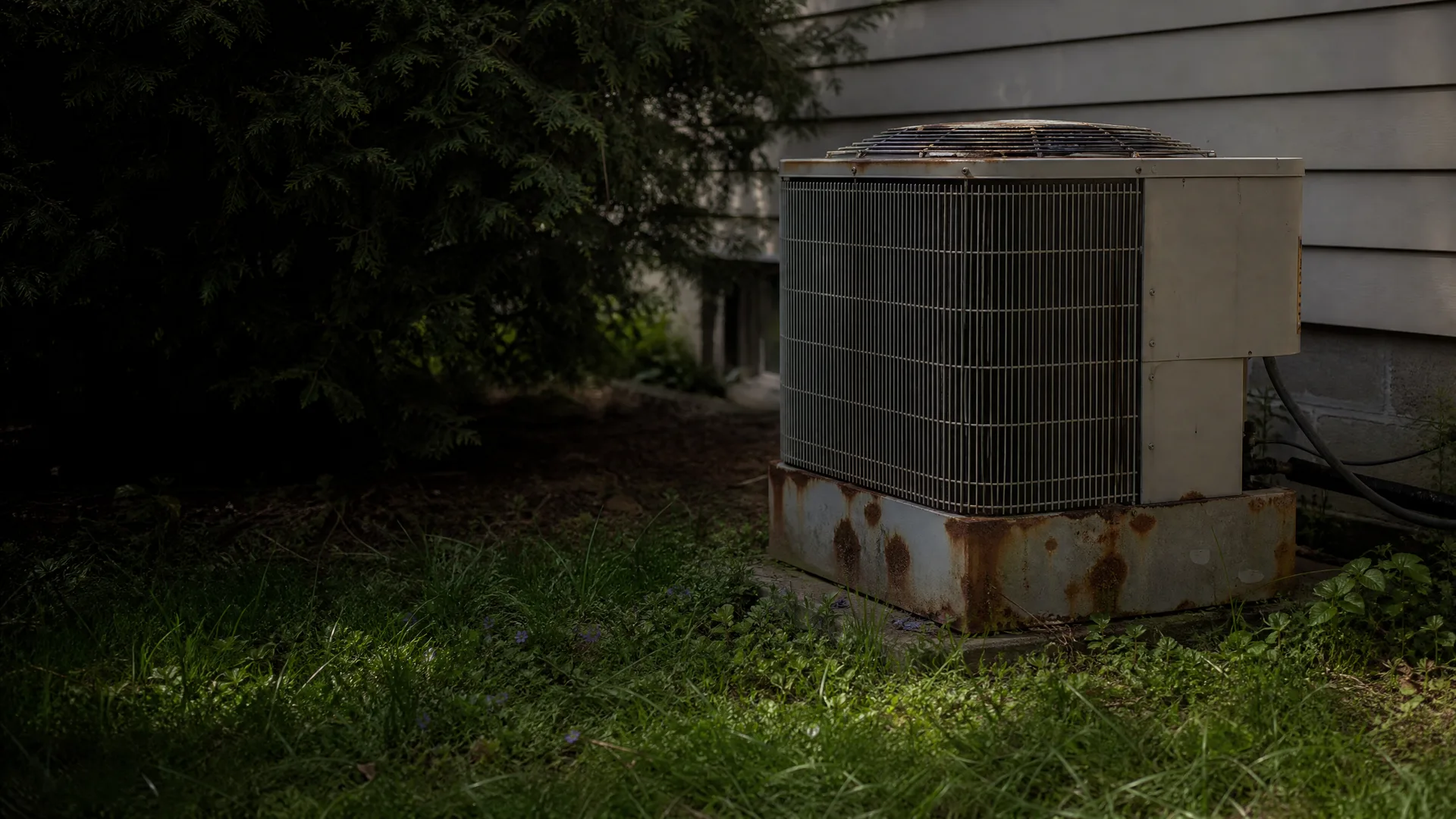
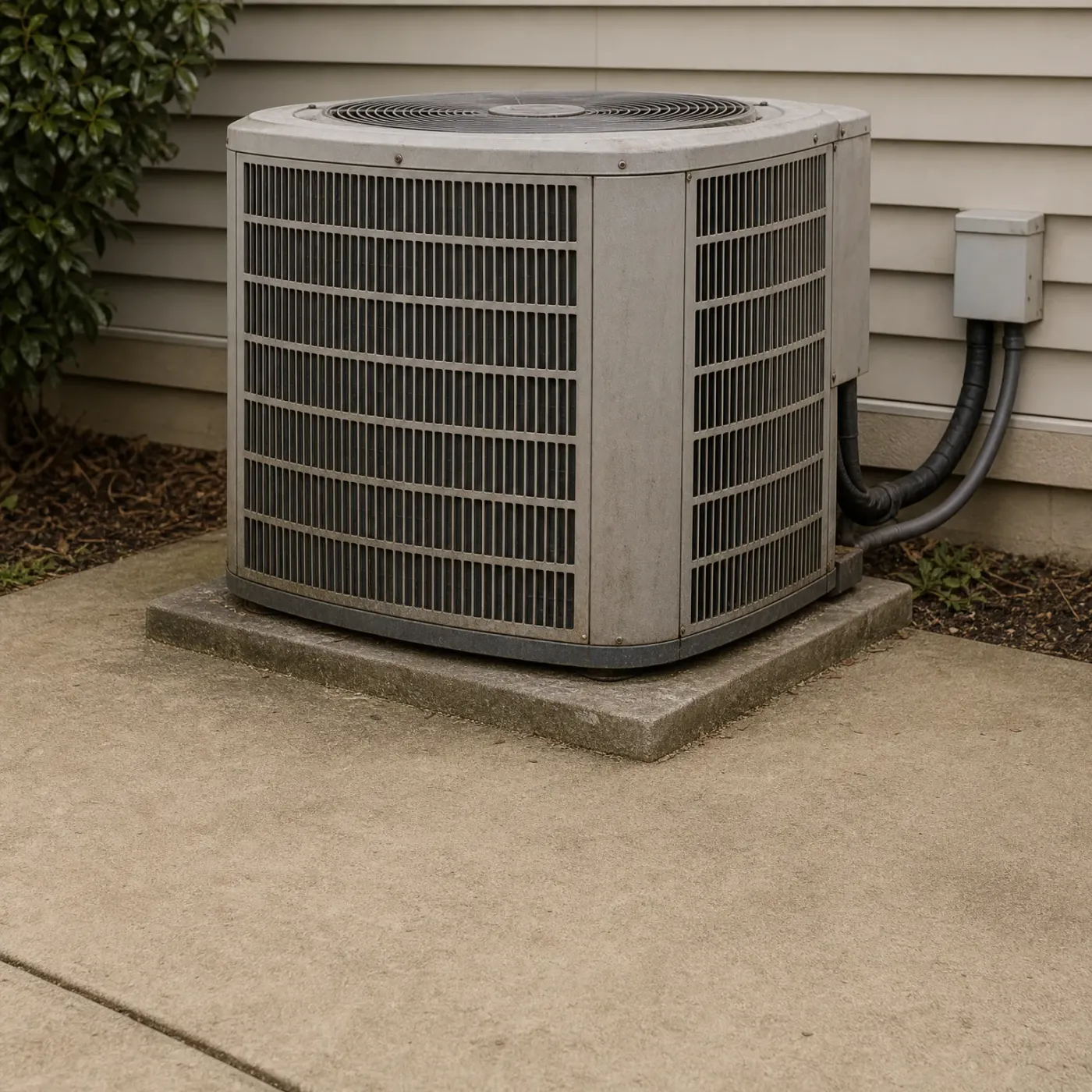
An outdoor air conditioner or heat pump condenser unit sits on a rusted concrete pad beside a house with horizontal siding, surrounded by grass and dark evergreen foliage.

You're out in the side yard on one of the first warm days of spring, coiling up the garden hose, when you notice the outdoor unit sitting there in the sun. Rust has crept along the base of it, flaking where the metal meets the ground. You crouch down and touch it, and some of it comes off on your fingers. It's been there through enough Tuscaloosa summers that you can't remember exactly when it was installed. The unit's running fine right now, humming along like it always has. But that rust wasn't there a few years ago, and you stand back up wondering how much longer it has in it.

It's off your list after this

By the time a heat pump in Tuscaloosa is past 12 years, every summer it runs is asking more of parts that have already given you a decade of long cooling seasons. You don't have to wait for it to quit on the hottest week of the year to deal with it. Getting a new one in means a system that doesn't have to strain to keep up, and that matters when the compressor here is working most months, not just a few. What you'd otherwise be stuck with is the part that takes the real time: finding a contractor who installs heat pumps, checking that they're licensed for Tuscaloosa County, calling two or three for quotes, and going through the same explanation of your system each time. Sending this request hands that off. One contractor who does this work gets your information, and from there it's theirs to sort out, not yours.

How a heat pump actually works

  • A heat pump moves heat instead of burning fuel, running a refrigerant cycle backward to pull warmth from outside air into the house in winter.
  • The reversing valve is what switches the system between cooling and heating, and it's one of the few parts that only a heat pump has.
  • The outdoor compressor is the part working hardest, since it runs for cooling most of the year and for heating the rest.
  • A defrost cycle kicks on automatically in cold weather, briefly reversing the system to melt ice off the outdoor coil before it builds up.
  • The indoor air handler's blower motor runs nearly as many hours as the compressor, since every mode of heating or cooling depends on it moving air.
  • Refrigerant charge has to be exact for a heat pump to heat efficiently, more so than it does for a straight air conditioner.

A heat pump doesn't make heat the way a furnace does. It moves it. In summer it pulls warmth out of the house and sends it outside, the same way an air conditioner does. In winter it runs that cycle backward, pulling warmth out of the outside air, even cold air, and moving it indoors. The reversing valve is what makes that switch possible. It's a small part, but it's the one piece that separates a heat pump from a plain air conditioner, and when it sticks, the system can get stuck heating when you want cooling or the other way around.

The outdoor compressor carries the load either direction. In Tuscaloosa that means it's working April through October to cool the house, then working again the rest of the year to heat it, with far fewer months of rest than a compressor gets in a climate with a separate furnace doing the winter work.

Cold, damp mornings can frost up the outdoor coil. When that happens, the system runs a defrost cycle on its own, reversing briefly to melt the ice before it blocks airflow. Inside, the air handler's blower motor is moving air for every one of those modes, so it logs nearly as many running hours as the compressor does. And because the same refrigerant is doing both jobs, the charge has to be right. A heat pump that's low on refrigerant loses efficiency heating a house in January in a way a straight air conditioner never has to account for.

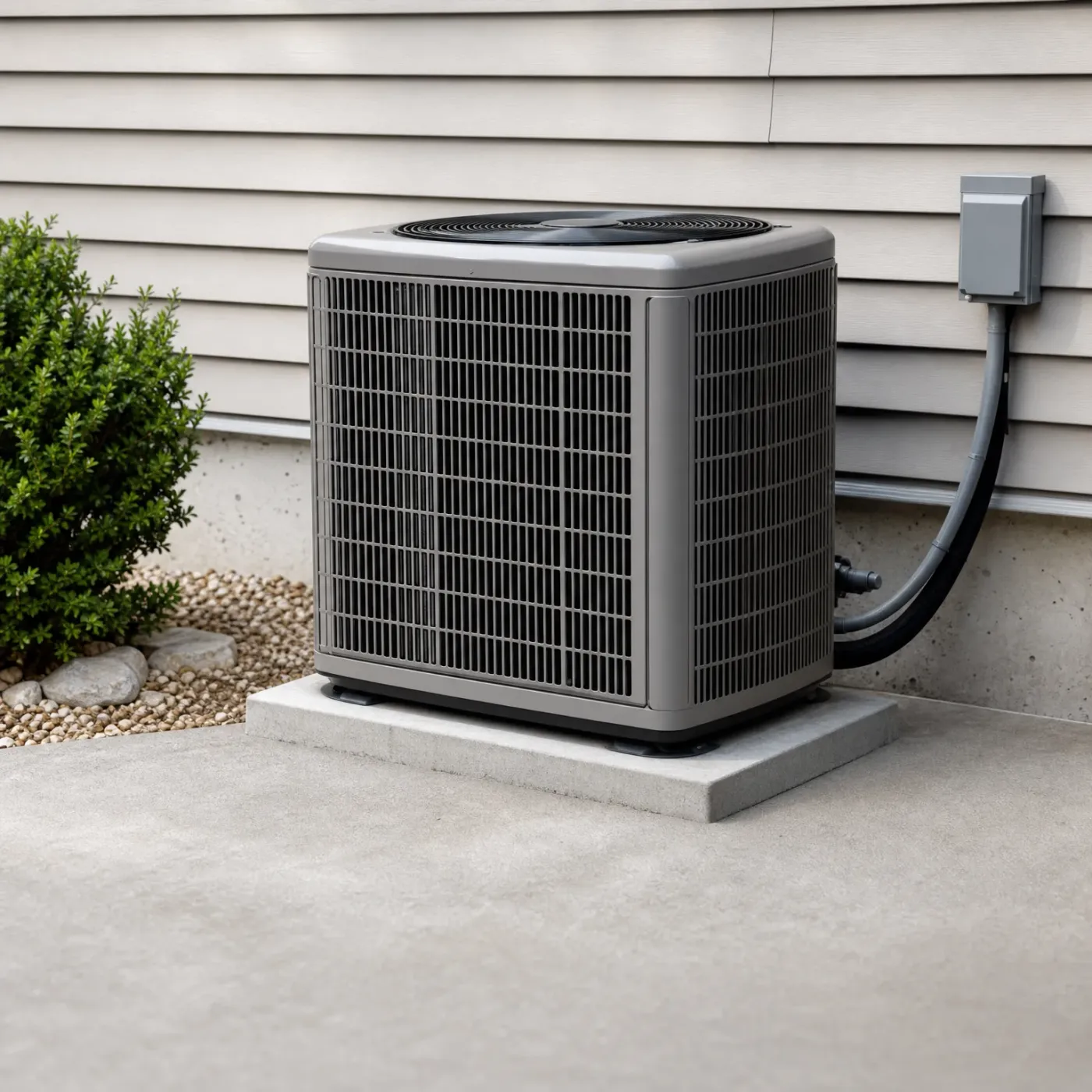
A gray outdoor condenser unit on a concrete pad beside a house with horizontal lap siding, connected by conduit and lines to a wall-mounted disconnect box, with a shrub and gravel bed to the left.
A heat pump that still cycles on and off at normal intervals and keeps the house at the temperature you set it to.
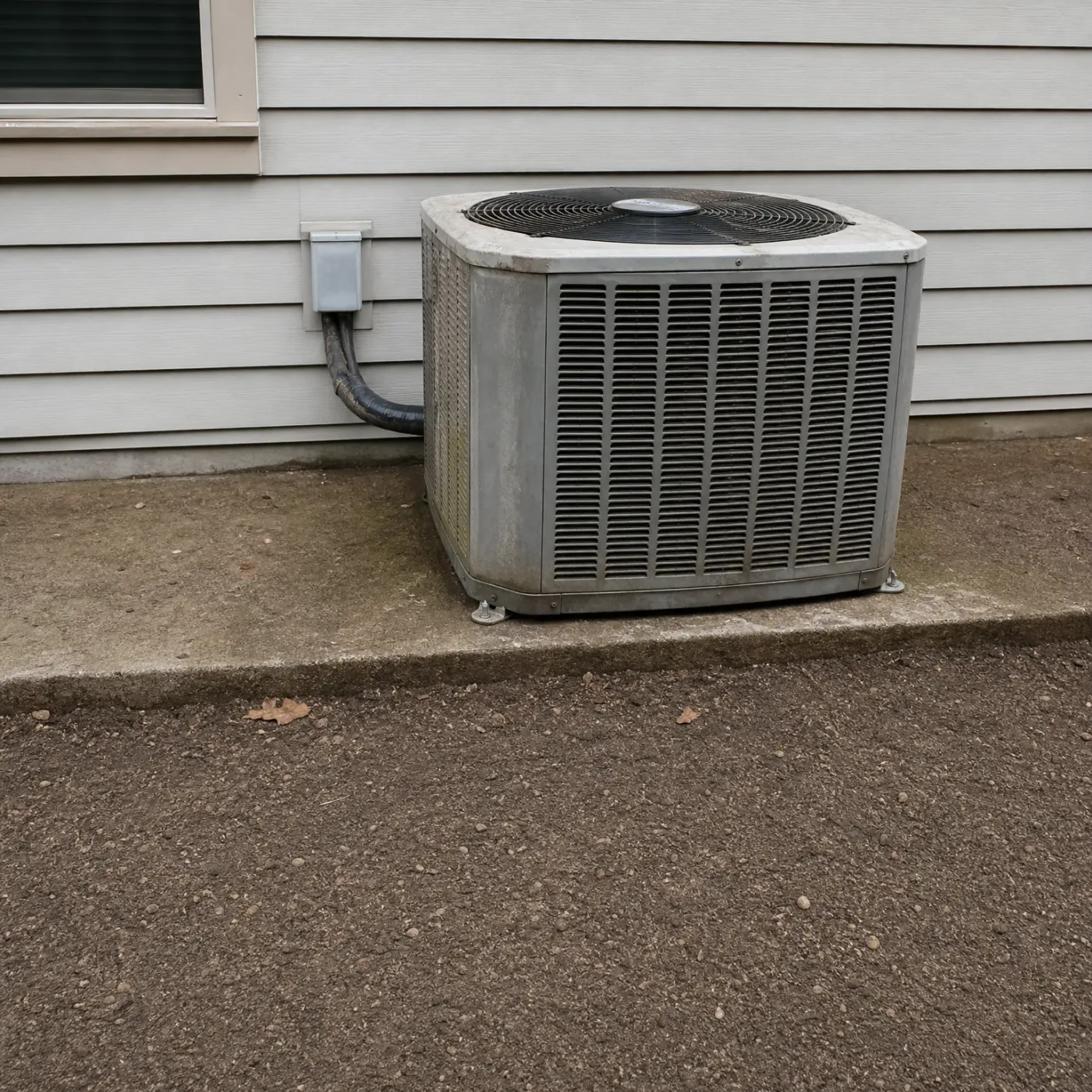
An outdoor air conditioner condenser unit on a concrete pad beside a light gray vinyl-sided house, with an electrical disconnect box and conduit on the wall and bare soil in the foreground.
A unit with a corroded disconnect box or lines that show wear, signs the system is closer to the end than the middle.
  1. Refrigerant in the outdoor coil absorbs heat from the outside air.

  2. The compressor presses the refrigerant gas to raise its temperature.

  3. Hot refrigerant moves inside and releases heat through the indoor coil.

  4. The reversing valve flips in winter to pull heat inward instead.

Power here costs 17.62 cents per kilowatt-hour

At 17.62 cents per kilowatt-hour, every year your heat pump runs past its prime shows up on the bill before it shows up as a breakdown. A unit losing efficiency pulls more power to do the same job, and in Tuscaloosa that unit runs nearly year-round.

EIA-861 2025

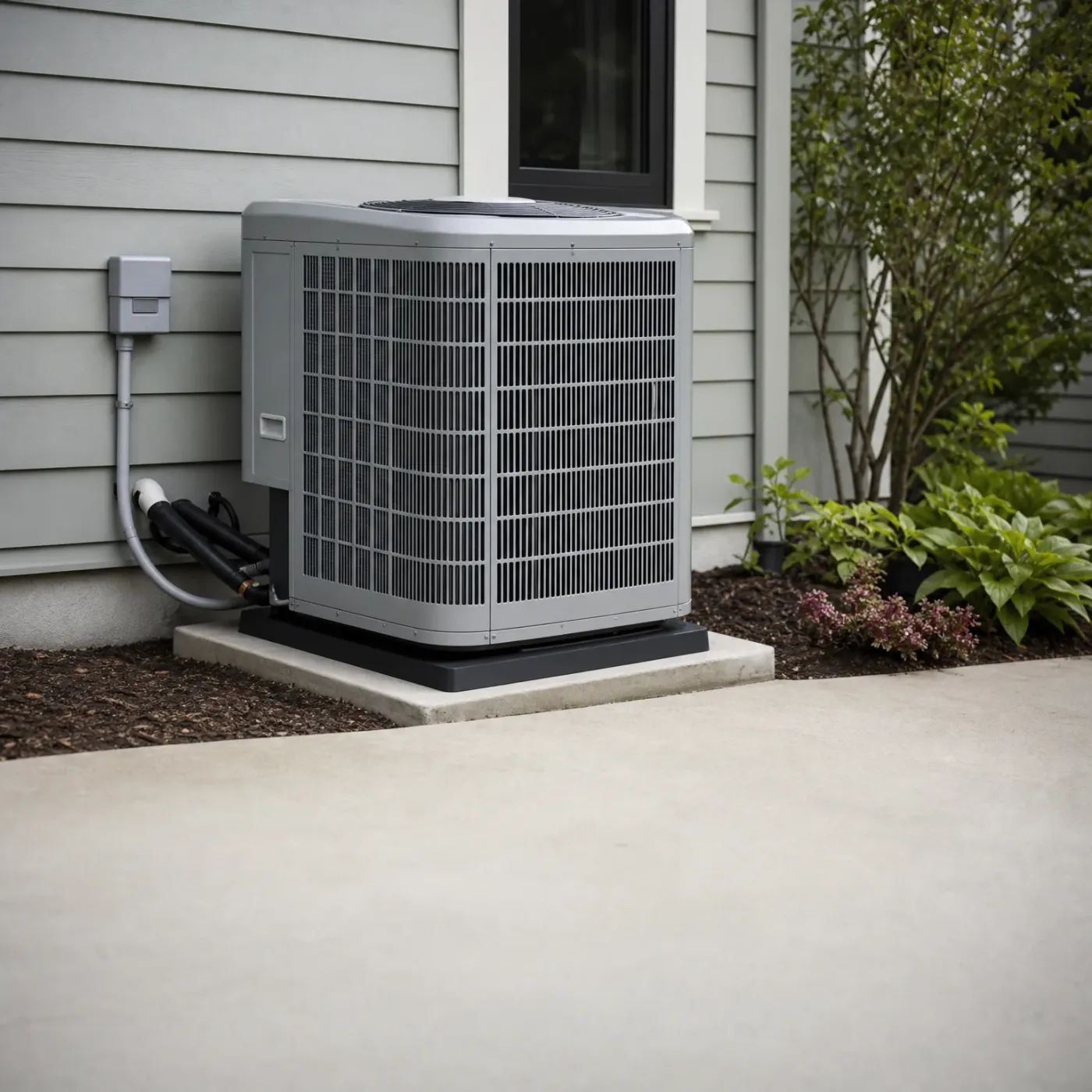
A gray outdoor condenser unit on a concrete pad beside a light-colored lap-sided house, with a wall-mounted disconnect box, refrigerant lines, mulch bed and shrubs, and a concrete walkway in the foreground.

A unit running clean

This is what a heat pump should look like year-round. The lines run straight to the disconnect, the pad is level, and nothing around the cabinet shows rust or strain. A system like this is doing its job without costing you more than it should.

An outdoor condenser unit sits on a concrete pad beside a house with horizontal vinyl siding, with a gray electrical disconnect box and conduit on the wall and a shrub at left.

A unit on its way out

Look close and this one tells a different story. The disconnect box and lines sit in the same spot, but a heat pump that's struggling often shows it here first, at the connections and the cabinet, before you ever feel it in the house.

A closed silver laptop and a white cup of coffee on a saucer sit on a wooden table in front of a wooden chair, a plain beige wall, a potted leafy plant and a window with greenery outside.

12 to 15 years, running almost every month of the year

A heat pump in Tuscaloosa earns its keep. It cools the house all summer and heats it all winter, and most of them get 12 to 15 years out of that work before the compressor or the coils give out. Where yours lands in that range depends on how it's been maintained and how hard last summer's heat pushed it, but past year 12, every season it runs is asking more of parts that are already worn.

You don't have to figure out on your own whether what you're hearing or seeing from the unit means it's done or just due for a repair. That's the part that takes evenings: calling around, explaining the noise or the short cycling to three different companies, waiting on quotes that don't say the same thing. Once you send the request, that search is someone else's job, not yours.

A speckled beige ceramic vase holding thin dried branches sits on a round wooden table near a window with sheer curtains, with a dark upholstered chair and draped blanket blurred in the background.
A woman in a dark knit turtleneck sweater reclines on a couch under a cream knit blanket, looking down at an open book, with a lit table lamp and framed pictures behind her.
A smiling middle-aged man in a dark green sweater sits at a candlelit table with wine glasses and a plate of greens in a dimly lit interior.

Stop chasing a heat pump pro

A heat pump in Tuscaloosa runs most months of the year, and most reach 12 to 15 years before the compressor gives out. Past that mark, replacing it costs less over time than patching a unit that's already pulling more power than it should at 17.62 cents a kilowatt-hour. Instead of calling around to different companies, explaining the same problem each time, and sorting through quotes you can't compare, send the form once. Finding a licensed contractor to look at your system stops being something you have to manage.

Send my request

Answer a few questions instead of calling shop after shop.

No charge to send it. You decide if you hire them.