Can a heat pump keep up in an Alabama winter

Send the form and the search for an installer is over.

Step 1 of 3: Equipment

A heat pump keeps up in an Alabama winter, most days without strain. Alabama winters are mild, usually in the 40s and 50s, and a heat pump pulls heat from outside air efficiently down into the 30s and still works below that. The strain shows up on the coldest nights, when outdoor temperatures drop near freezing or lower. In that range the unit draws on backup electric resistance heat to make up the difference, and that backup heat is where your bill climbs. Since most homes here heat with electricity already, and power costs more in Alabama than in a lot of states, how well the heat pump is sized and installed decides whether it handles those cold snaps on its own or leans hard on backup heat all winter. A unit sized right for your house, with the right settings, carries you through January without much trouble.

A man in a blue sweatshirt reclines with closed eyes in a brown leather armchair in a living room with a bookshelf, houseplant, sofa, window, and a side table holding newspapers and a dark mug.
A bearded man in a gray pullover reclines with closed eyes on a brown leather sofa in a sunlit room with a window, framed picture, potted plant, and a wooden cabinet holding papers and a dark mug.
A man in a gray sweater leans back with closed eyes in a brown leather armchair beside a wooden side table holding a dark mug and a folded newspaper, with bookshelves and a window seat behind him.
A man in a green sweater reclines in an armchair with his eyes closed and a slight smile, beside a window with plants, a small table holding a mug and folded newspaper, and bookshelves behind him.

How does a heat pump heat the house when it's cold outside?

You know a heat pump isn't like a furnace, and you've heard it loses power when it's cold. You want to know what's actually happening inside the unit on a January morning when it's 38 degrees outside, so you can judge for yourself whether it's working the way it should or struggling.

It moves heat from the outside air into your house, it doesn't burn anything to make heat

The outdoor unit pulls heat out of the air outside, even air that feels cold to you still holds heat, and a refrigerant coil absorbs it. That refrigerant gets compressed, which raises its temperature, and the indoor coil releases that heat into the air your blower pushes through the house. It's the same cycle your air conditioner runs in summer, just reversed. As the outside temperature drops, there's less heat in the air to pull from, so the unit has to run longer to move the same amount into the house. That's normal operation, not a sign of a problem. Below a certain outdoor temperature, a backup heat source kicks in to help, which is built into the system for mornings like that.

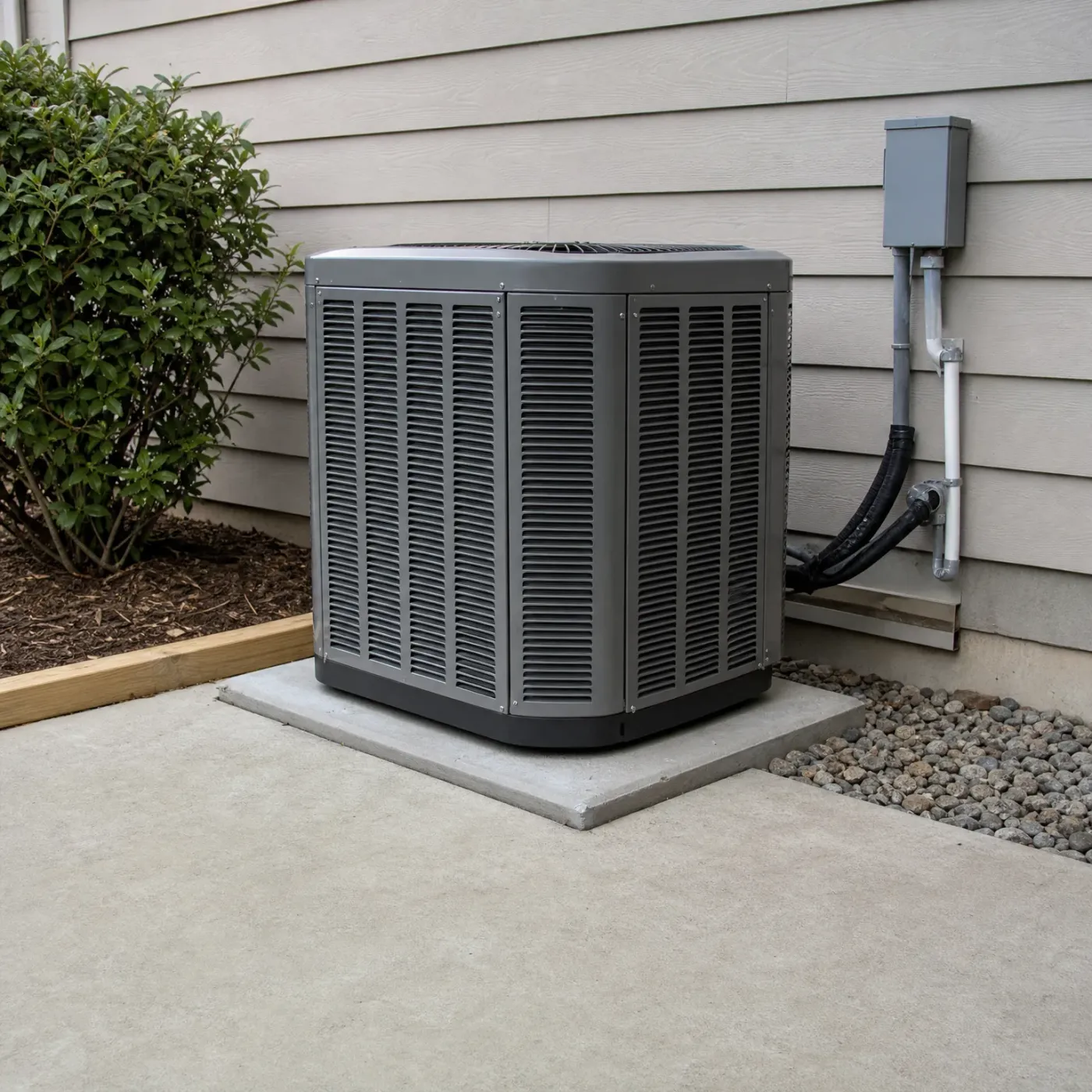
A gray outdoor condenser unit on a concrete pad beside a house with horizontal lap siding, with a wall-mounted disconnect box, conduit and insulated refrigerant lines, a shrub at left and gravel at right.

Running the way it should

On a mild morning the outdoor unit sits quiet, cycling on and off as the house calls for heat. Frost doesn't build up, the fan runs steady, and the line set stays clear. This is a heat pump doing its job without any help from the backup heat strips.

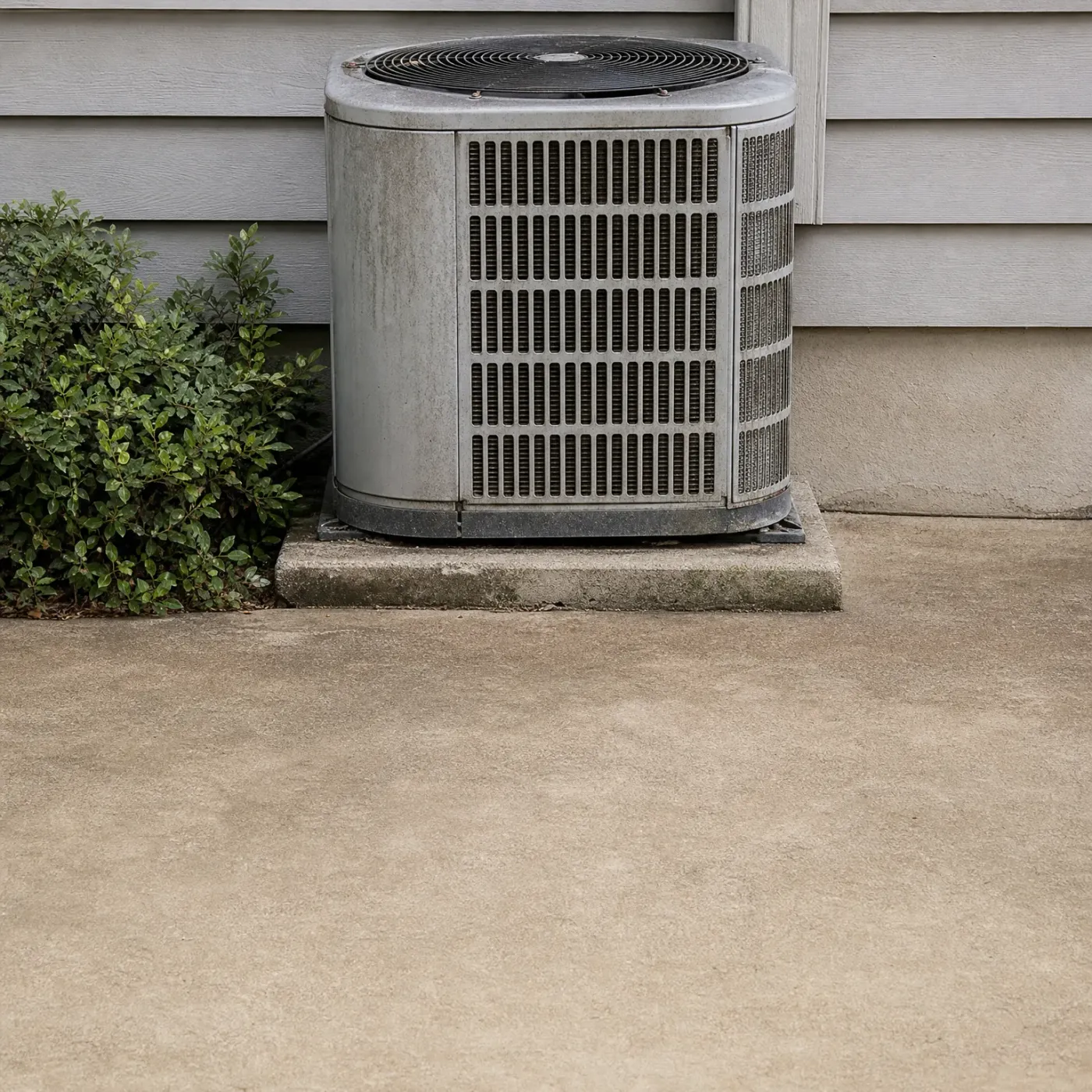
An outdoor air conditioning condenser unit on a concrete pad beside a house with horizontal lap siding, with a green shrub to the left and a wide concrete slab in the foreground.

Signs it's falling behind

Ice coating the coil that doesn't melt off during the defrost cycle, a unit that runs constantly without warming the house, or a breaker that trips on cold mornings all point to a system struggling. A unit sized wrong for the house shows it first in weather like this.

Leave It Alone or Size Up Backup Heat

Keep the heat pump as is

  • On most Alabama winter days, in the 40s and 50s, the heat pump covers the load on its own without the backup heat kicking in.
  • You keep one system for both summer and winter, which matters here since cooling runs hard from the muggy months straight through.
  • No gas line or combustion venting to maintain, since the unit runs on electricity the same way your cooling does.
  • Electricity here isn't cheap, so the backup heat strips running on the coldest nights will show up on the bill.
  • A unit that's undersized or getting old will lean on backup heat more often, and that cost adds up over a winter.

Add or upsize backup heat

  • A properly sized heat pump with backup heat strips covers the rare nights that drop into the 20s or lower without the house losing ground.
  • Backup heat only needs to carry the house for the coldest stretch of the year, not the whole winter.
  • Sizing the heat pump and the backup heat together means neither one is working harder than it has to on a normal January morning.
  • A unit that's too small for the house will call on backup heat far more than it should, even on mild days.
  • Getting the sizing right at install avoids paying twice, once for a heat pump that can't keep up and again for the electricity backup heat uses to make up the difference.
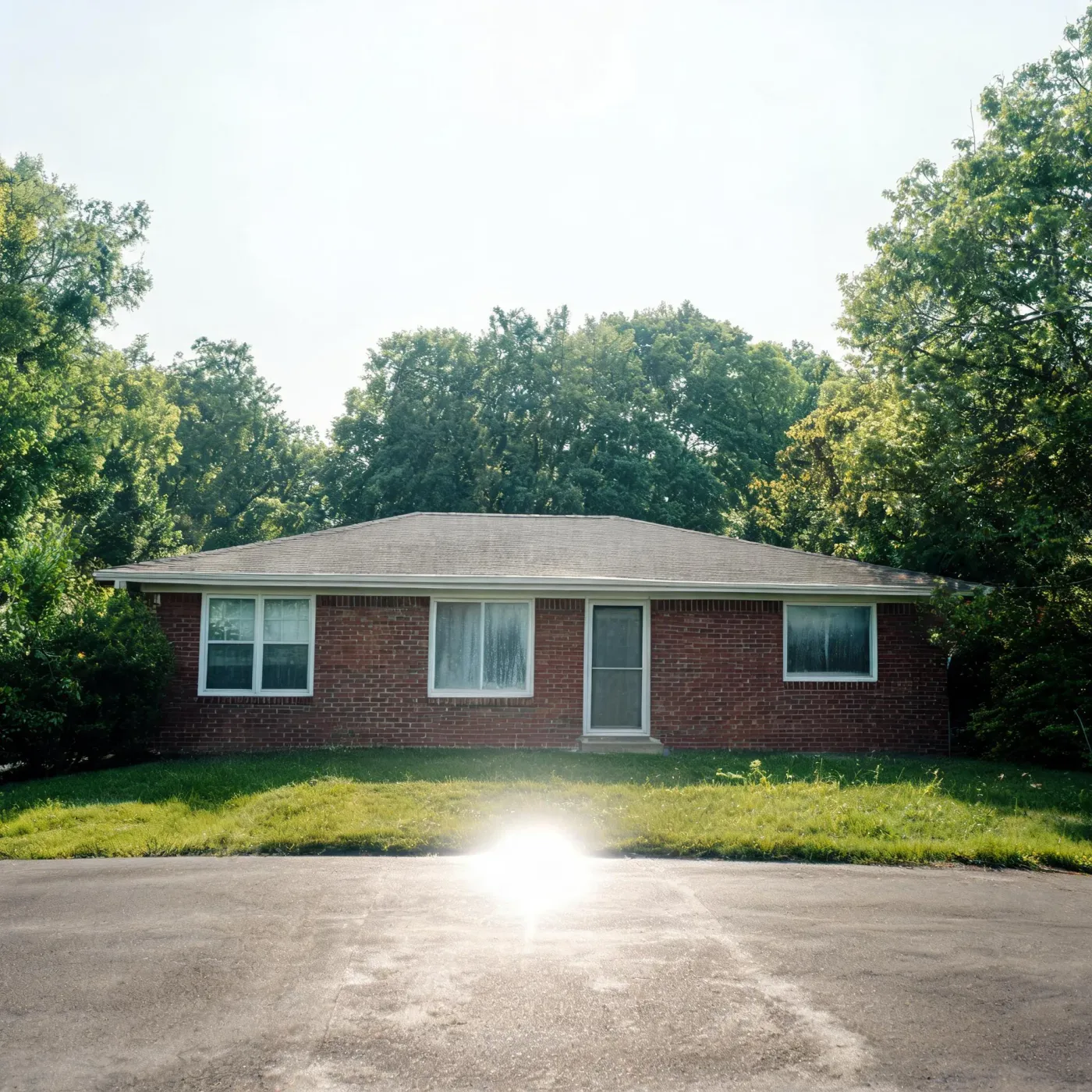
A single-story red brick house with a shingled hip roof, three windows and a central storm door, fronted by a mowed lawn and an asphalt driveway, with dense green trees behind it and sun flare in the foreground.

That summer dew point here averages 69°F across June, July and August, which is why the air feels heavy enough to sit on. A heat pump works harder in that kind of air, since it has to pull moisture out of the house as well as cool it, and the system you have now may not have been sized with that in mind. If yours runs long stretches without the house feeling any drier, that's worth having looked at before next summer. A local contractor who installs heat pumps in this kind of air knows how to size one for the moisture load here, not just the temperature. Send the request and the search is off your plate. One contractor calls, licensed and working near you, not a handful competing for your attention.

NASA POWER T2MDEW county cells weighted by homes

Finding a pro stops being your job

A heat pump that's struggling here isn't rare and it isn't something to ride out until spring. Ice on the outdoor coil that doesn't melt between cycles, a defrost cycle that runs long and often, backup heat that stays on instead of kicking in only on the coldest mornings, these point to something specific, often a low charge or a failing defrost control, and they tend to get worse through January and February rather than fix themselves. Power here already costs enough that a system working harder than it should shows up fast on the bill. Getting someone local to look at it now, before the next cold snap, means the diagnosis happens on your schedule instead of during an emergency call when the temperature drops into the 20s. Someone who services heat pumps in this area through the winter knows which of these problems show up most and what a system like yours usually needs. That's worth having lined up before you need it.

What a defrost cycle actually does

When the outdoor coil gets cold enough to frost over, the unit reverses itself for a few minutes, sends hot refrigerant outside to melt the ice, and the fan stops while that happens. That's why you'll sometimes see steam rise off the outdoor unit on a cold morning. It's normal. A unit sized and installed correctly runs this cycle a handful of times an hour at most during a cold snap, then goes back to heating. One that's undersized or low on charge runs it more often and longer, and you'll feel the house lose ground while it does.

Why the install matters more than the brand

Two identical heat pumps can perform differently depending on how the line set was run, whether the refrigerant charge matches the length of that line, and whether the unit was sized for the house instead of just swapped in for whatever was there before. An oversized unit short cycles and struggles to dehumidify in July. An undersized one leans on backup heat more than it should in January. Alabama's mix of a humid summer and a mild but real winter means the sizing has to work both directions, not just one.

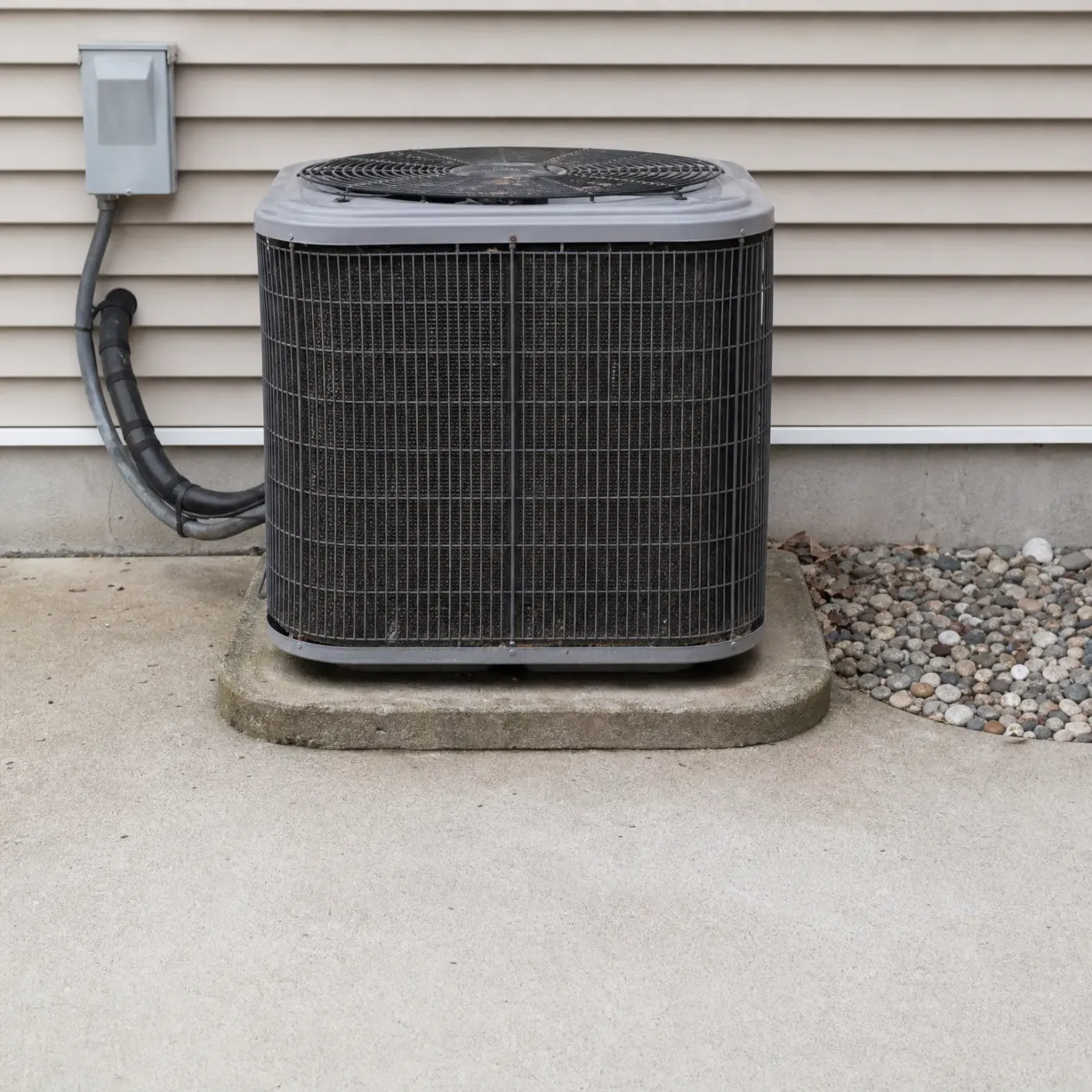
An outdoor air conditioner condenser unit on a concrete pad beside a house with beige vinyl siding, with a gray electrical disconnect box and insulated refrigerant lines on the wall and river rock to the right.
Before you get your heat pump installation
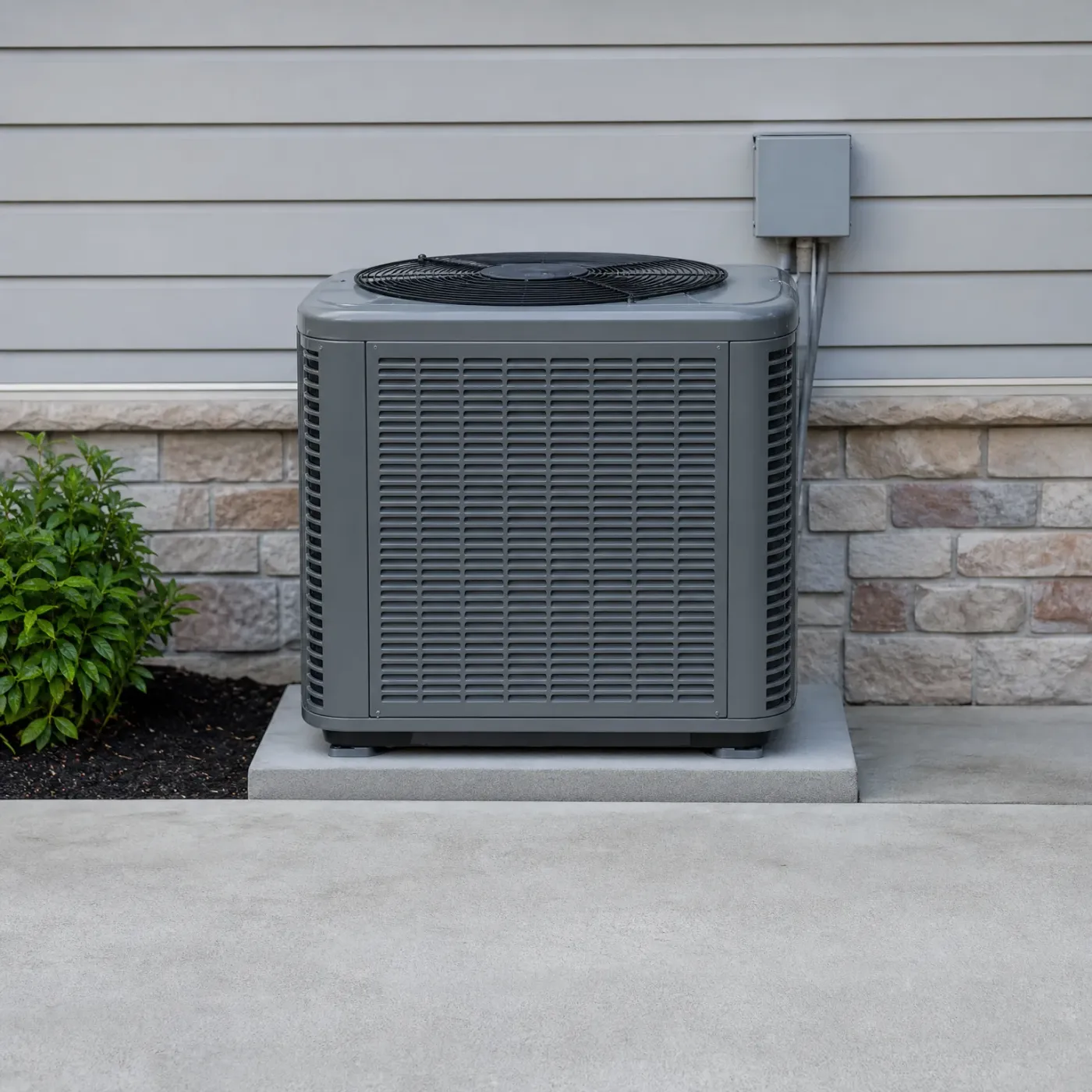
A gray outdoor condenser unit sits on a concrete pad against a house wall with horizontal siding above a stone veneer base, with an electrical disconnect box and conduit on the wall and a leafy shrub in mulch to the left.
After you get your heat pump installation

You won't get a warning light. What you get is a bill that's higher than last January for no reason you can see, or a bedroom that stays cool no matter what the thermostat says. Both point the same direction. The backup strips are electric resistance heat, the same principle as a space heater, and they draw far more power than the compressor does on its own. When a heat pump is covering the load the way it should, those strips barely run. When it isn't, they carry hours of the house's heat instead of minutes, and since most homes here heat with electricity, that cost lands on the very next bill. Outside, check the unit after a cold morning. A little frost is normal and clears on its own during defrost. Frost that's still there, or ice built up along the coil, means the system is losing that fight rather than managing it. None of this means the equipment is broken. It often means it was never matched to the house to begin with.

What it looks like at your house

  • A heat pump that can't keep up pushes the backup electric strips to run for hours instead of minutes, and those strips use far more power than the compressor alone.
  • Since most homes here heat with electricity, that backup heat shows up directly on your bill the month it happens, not weeks later.
  • A thermostat that won't climb past 65 on a cold morning, or a house that feels cool near the floor vents, usually means the heat pump stopped covering the load by itself.
  • If ice builds up on the outdoor unit and stays past a defrost cycle, the system is losing the fight with the cold rather than managing it.
  • A heat pump sized or installed wrong for your house tends to lean on backup heat even on the 40s and 50s days it should handle alone.
  • Letting it run that way through January and February costs you in electricity before it costs you in a repair call.
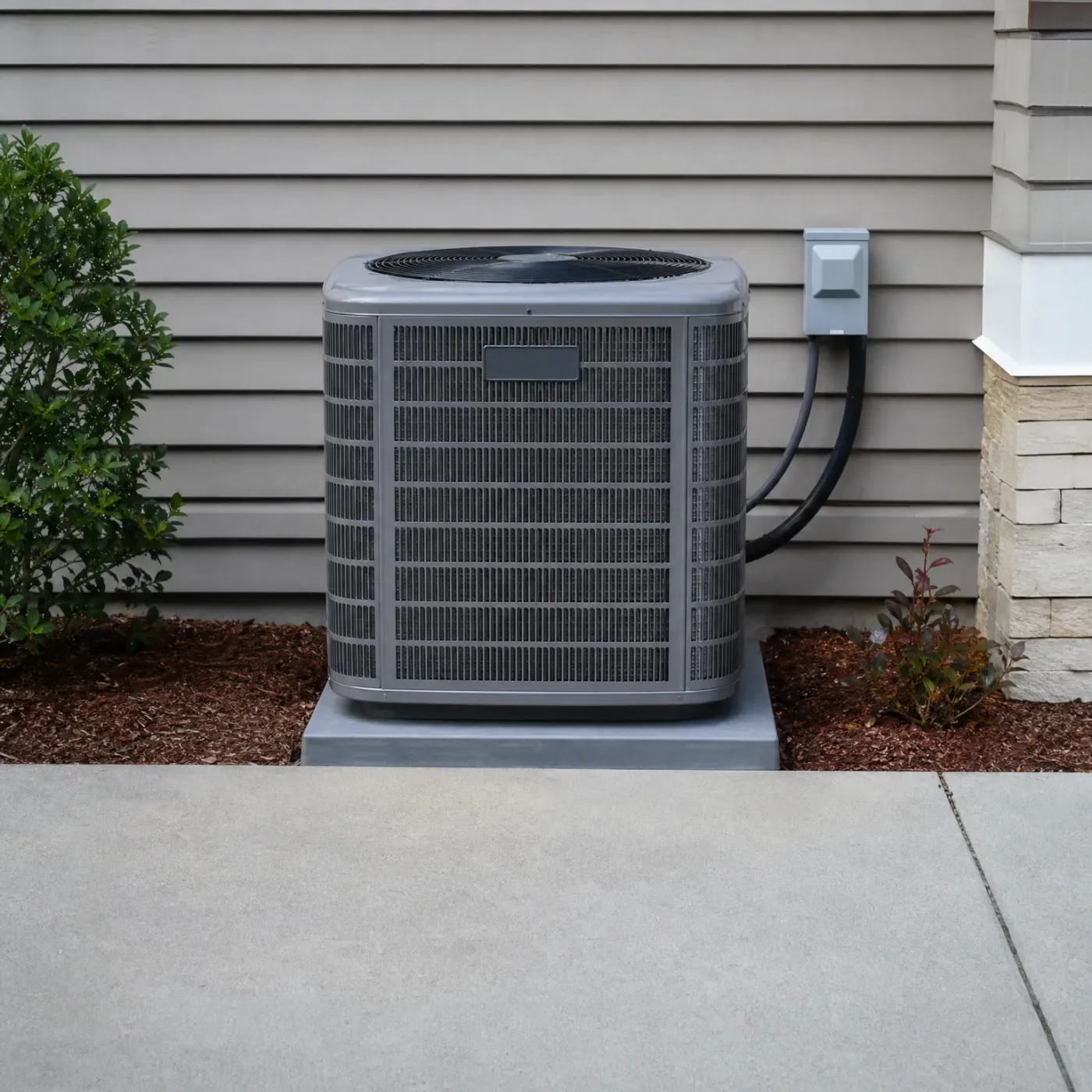
A gray outdoor condenser unit sits on a concrete pad beside a house with horizontal lap siding, with a wall-mounted disconnect box and refrigerant lines, mulched beds and a shrub nearby, and a concrete walkway in the foreground.
Clear coil, steady fan, clean conduit run, no ice anywhere on the cabinet.
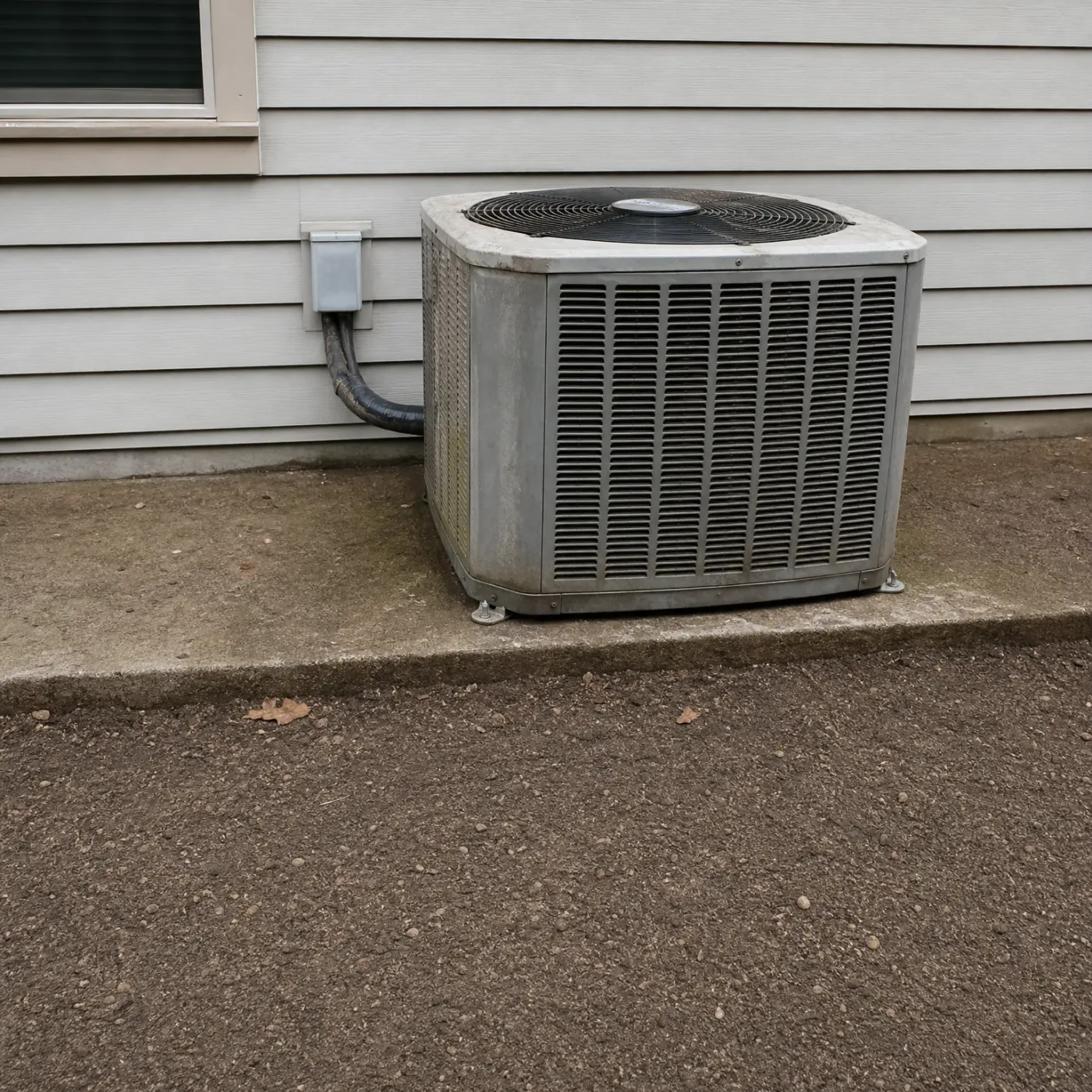
An outdoor air conditioner condenser unit on a concrete pad beside a light gray vinyl-sided house, with an electrical disconnect box and conduit on the wall and bare soil in the foreground.
Frost climbing the line set like this means the system is losing the fight with the cold.

Power costs 16.09 cents per kilowatt-hour statewide

At 16.09 cents a kilowatt-hour, every hour the backup strips run costs you more than the compressor ever does on its own. A heat pump sized and installed right leans on those strips as little as possible, which is what keeps a January bill from running away from you.

EIA-861 2025 statewide residential average

A heat pump sized right for your house and installed with a correctly charged line set will cover most of an Alabama winter on its own, calling on backup heat only during the occasional stretch in the 20s or below.

A heat pump that's undersized or was never charged correctly leans on backup heat far more than it should, and you end up paying for strip heat on nights that shouldn't have needed it at all.

An older man with gray hair and a beard leans back on a beige sofa with his eyes closed, in a sunlit room with potted plants, a wicker chair and large windows behind him.
A woman in a cream knit sweater sits in an armchair with her eyes closed and a slight smile, beside an open window showing orange autumn foliage, with a mug, books and a lit candle on a small side table.

Where this leaves you

  • A properly sized, correctly charged heat pump handles Alabama winters on its own most days, leaning on backup strips only when it's in the 20s or lower.
  • The strain you've read about shows up as symptoms you can check for yourself: ice that won't melt off the coil, long defrost cycles, strips running instead of the compressor.
  • Since most homes here heat with electricity, how well the system is installed is what decides whether those cold mornings show up on your bill.
  • A local contractor licensed to work in Alabama sees this exact equipment every winter and knows which failures show up first in this climate.
  • Sending the request connects you with one contractor, not several, so you're not fielding calls from companies you didn't ask to hear from.
  • Once that request is in, finding the right person for the job is off your plate.

A heat pump isn't guessing in an Alabama winter. Most days here sit in the 40s and 50s, and a system that's sized right and charged right handles that load without the strips ever kicking in. The hard stretches, the mornings in the 20s or below, are the exception, not the rule. What decides whether you see that in practice or see it on your power bill comes down to the installation itself, not the equipment's reputation.

If you're checking your own system against what this page has laid out, the signs are plain. Ice that lingers on the coil past a defrost cycle, a defrost that runs long and often, strips carrying the load instead of the compressor. Any of those tells you the system is working harder than it should for the temperatures it's actually facing.

Getting that corrected means getting the right person on it, someone who works on heat pumps in this state every winter and has seen which parts give out first in this kind of cold. Sending a request through this page puts you in touch with one contractor, licensed to work in Alabama, not a handful of companies competing for the job. From there, the search is done. You're not the one tracking down who's available or who knows this equipment. That part is handled, and what's left is a system that does what it's supposed to do on the next cold morning.


Dark metal roofs and a stone chimney of a house seen from above, framed by moss-draped trees, with forested hills and hazy mountains under a cloudy sky in the background.

Let someone else find the pro

Hand it over

There's no charge for the request.

A system that's sized and charged right means fewer hours on those backup strips, and with power priced the way it is here, that's the difference that shows up on your bill every month this winter, not just on the coldest night of it.